
The Most Critical Technical Factors in Tactical Knife Selection
What is a Tactical Knife? A Technical Definition
A tactical knife is more than just a cutting tool—it's a versatile piece of gear designed for survival, hunting, hiking, and emergency situations. Choosing the right tactical knife directly impacts both performance and safety, making a technically informed selection process essential.
Each tactical knife is engineered for specific use cases, including hunting, camping, survival, emergency response, and professional applications. These knives are typically built to be durable, sharp, and safe for demanding conditions.
Steel Quality: The Power Behind Tactical Knives
The performance of a tactical knife largely depends on its steel quality. Knife steels include carbon steel, which is widely used due to its high hardness and sharpness. However, stainless steel requires less maintenance and may offer greater durability.
Steel quality is measured by HRC (Rockwell C Scale) ratings. An HRC rating between 60-65 is generally ideal for tactical knives. Higher hardness increases sharpness but reduces wear resistance. Therefore, balancing these factors is crucial when selecting a blade.
Knives designed for aquatic environments are usually made from stainless steel. When choosing between carbon steel and stainless steel, consider the environment of use and maintenance expectations.
Edge Profile and Bevel Angle
The sharpness of a tactical knife can be customized according to user needs. The bevel angle directly affects the blade's sharpness. Typically, angles between 15-20 degrees provide a balance of usability and durability.
The bevel angle is determined by the blade geometry. This geometry can vary depending on the tasks at hand. For example, hunting knives often feature a sharper edge with a thicker blade.
Geometry also influences how force is applied and the direction of cuts during use. Because tactical knives serve multiple purposes, a medium-level edge profile is often preferred.
Choosing Based on Usage Purpose
Each tactical knife is tailored for a specific application. Hunting knives are typically longer and sharper, while EDC (Everyday Carry) knives—designed for daily carry—are more compact and secure.
For instance, hunting knives are often around 16–18 cm long, providing better cutting efficiency in the field. In contrast, EDC knives are best suited between 10–14 cm, offering portability and ease of use.
Tactical daggers are built for multi-purpose use. As such, they must offer a balanced design that ensures both cutting ability and safety. These knives are often equipped with locking mechanisms.
Product Recommendations: Tips for Tactical Knife Selection
Selecting the right tactical knife is vital for long-term use. Below are some carefully chosen products that take technical specifications into account:
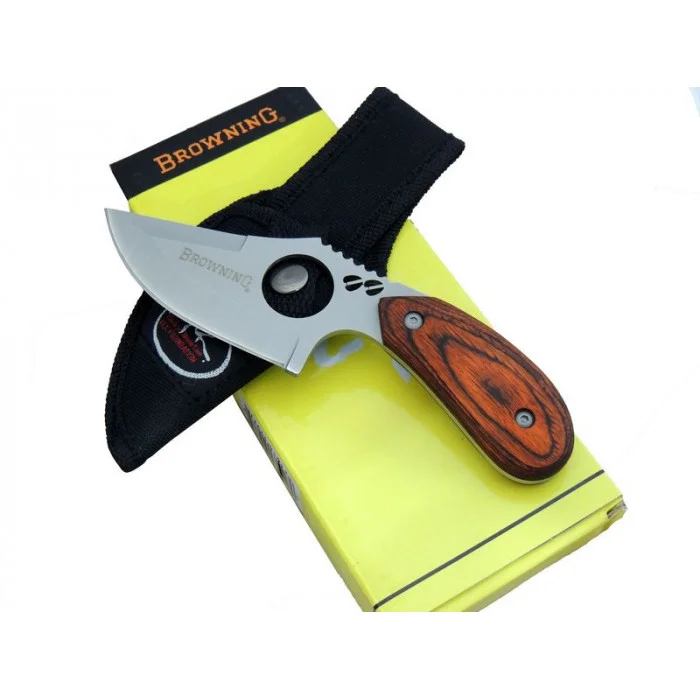
- Browning 16 CM Waterfowl Hunting Knife: Ideal for knives used in aquatic environments. Made from stainless steel with waterproof features for safety and durability.
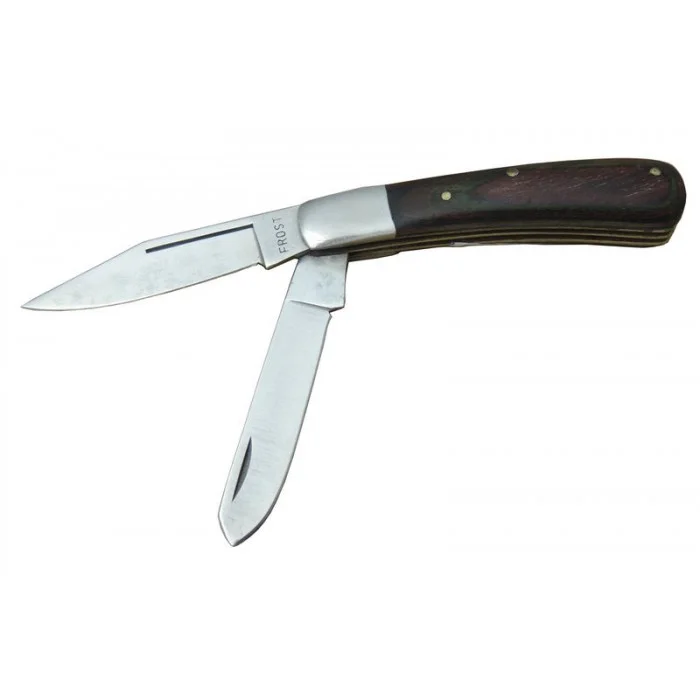
- Falcon Dual Edge 14 CM: A versatile solution for everyday EDC needs. Offers two distinct models—one standard and one ultra-sharp edge.
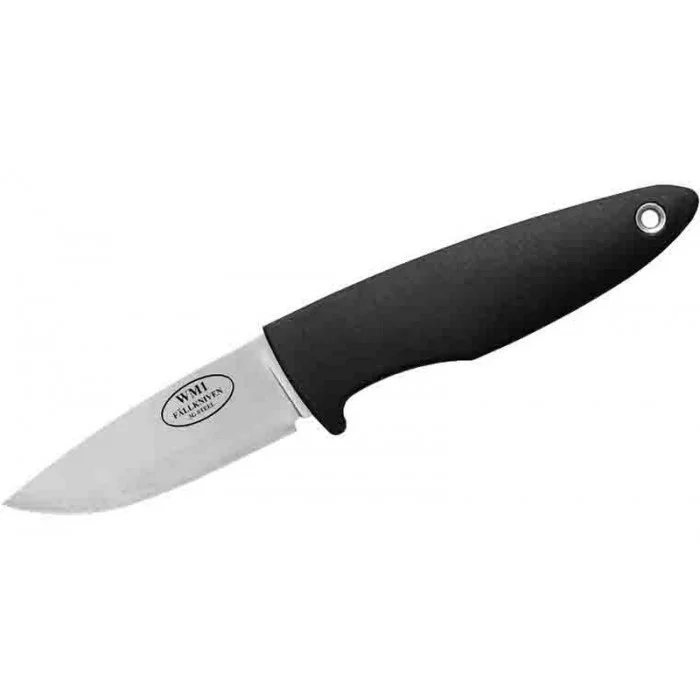
- Fallkniven WM1 18 CM Professional Hunting Knife: Built for long-range hunting, this knife offers durability and precision. Its ergonomic design makes it ideal for extended use.
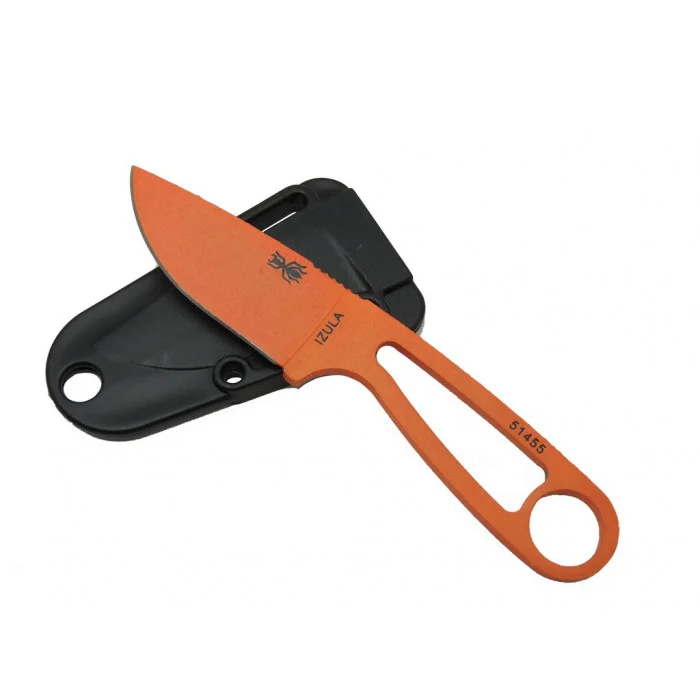
- IZULA ESEE KNIVES 16 CM Hunting Knife: Constructed from high-grade steel, ensuring reliable grip even in oily or wet conditions. The 16 cm length suits both close-range and mid-range hunting scenarios.
Tactical Knives for Survival and Emergency Situations
Tactical knives play a critical role in emergency and survival scenarios. They are commonly used in long-range hunting, hiking, and camping. Survival techniques often involve the use of a knife, highlighting its importance.
In emergency situations, quick and safe access to the knife is essential. Locking mechanisms and easy accessibility are key features. Additionally, proper knife care is vital. Keeping the blade clean and dry helps maintain its performance.
Frequently Asked Questions
What is the most important technical factor when choosing a tactical knife?
The most critical aspects are steel quality and edge profile, as these determine overall blade performance. Additionally, the appropriate length and design for your intended environment are essential.
What is the ideal edge profile for tactical knives?
The ideal edge profile depends on the intended use. Generally, a bevel angle between 15-20 degrees offers a good balance of sharpness and durability.
Which tactical knives are suitable for use in water?
Tactical knives used in aquatic environments should be made from stainless steel and have waterproof capabilities. These include hunting and diving knives.
Comments (0)
No comments yet. Be the first to comment!