
Mastering Carbon Steel Knife Care: A Guide for Artisans & Outdoorsmen
The Art of Carbon Steel Knife Oiling for Artisans: Sustaining Edge Longevity
As an artisan engaged in woodcarving, leatherworking, or other crafts, the sharpness and durability of your tools directly impact the quality of your work. Carbon steel knives, in particular, are highly favored among craftsmen due to their superior edge retention and ease of sharpening. However, to prolong the life and maintain the performance of these valuable tools, regular maintenance, especially knife oiling, is paramount. Incorrect care or neglect can lead to rust, carbon steel's greatest adversary, negatively affecting your blade's performance.
In this guide, we will delve into how artisans can properly oil their carbon steel knives, protect them from rust, and implement maintenance routines to keep their tools as sharp as new for years. The right oiling techniques and product selection will not only extend your blade's lifespan but also ensure maximum efficiency with every cut.
Why Is Carbon Steel Knife Oiling So Crucial?
Carbon steel, thanks to its high carbon content, can hold an incredibly sharp edge and is easily sharpened. However, this advantage comes with a trade-off: it's more susceptible to rust. When exposed to air and moisture, especially interacting with acidic substances (fruit juices, certain wood saps, sweat), it tends to oxidize. This oxidation forms reddish-brown rust spots on the blade's surface and, over time, weakens the blade's structure, causing it to lose its sharpness.
Regular knife oiling creates a protective barrier on the blade's surface, preventing direct contact between moisture, air, and the steel. This barrier prevents rust while also allowing the blade to operate more smoothly. Additionally, especially in folding knives, it reduces friction in moving parts (pivot mechanism), helping the knife open and close more easily and minimizing wear.
Choosing the Right Oil: What to Use?
There are many different products available for knife oiling. However, not every oil is suitable for every knife. Especially for knives that might come into contact with food (e.g., kitchen or bushcraft knives), food-grade oils should be preferred. For general use, mineral oil-based or synthetic blade oils are ideal.
- Mineral Oil (Paraffin Oil): Typically colorless, odorless, and tasteless. Food-grade versions can be safely used for kitchen and bushcraft knives. It's an inexpensive and readily available option.
- Silicone-Based Oils: Effective at reducing friction and possess moisture-repellent properties. However, some silicone oils can affect wooden handles or attract dust over the long term.
- Specialized Blade Oils: Formulated specifically by knife manufacturers, these oils often contain rust inhibitors and are designed not to harm the blade's metal. These are recommended for high-quality or collector's knives.
- Camellia Oil (Tsubaki Oil): A natural and light oil traditionally used in Japanese knife care. It provides excellent rust protection and is safe for food contact.
Oils to absolutely avoid include motor oil, cooking oils (olive oil, sunflower oil, etc.), and multi-purpose sprays like WD-40. Motor oil can contain chemicals and damage your blade, cooking oils can go rancid and smell over time, and while WD-40 has rust-loosening properties, it doesn't provide lasting protection and can leave residue in the blade's pivot mechanism.
Step-by-Step Knife Oiling and Maintenance Guide for Artisan Knives
Establishing a regular maintenance routine is crucial for enhancing the performance and longevity of your artisan knives. Here's what you need to do, step by step:
1. Cleaning: Removing Dirt and Debris
Before oiling, ensure your blade is completely clean. After woodcarving, resin, sawdust, or other organic residues might accumulate on the blade. These residues can prevent the oil from properly adhering to the blade surface and can eventually lead to rust.
- Gently wash the blade with warm soapy water. Use a soft brush or cloth to clean all surfaces, especially the spine of the blade and the areas where the handle meets the blade.
- Immediately rinse the carbon steel blade and dry it thoroughly with a towel or microfiber cloth. Never let it air dry, as water spots and rust can begin to form.
- For folding knives with a pivot mechanism, clean out dust and dirt by blowing compressed air into the mechanism or using a thin brush.
2. Oiling Process
Once the blade is completely dry, you can proceed with oiling:
- Apply a few drops of your chosen blade oil onto a clean cloth or cotton swab.
- Oil both surfaces of the blade, especially the cutting edge and tip, with a thin layer. Ensure the oil spreads evenly everywhere. Avoid using too much oil; a thin layer is sufficient.
- For folding knives, apply a drop of oil to the pivot point (the hinge that allows the blade to open and close) and open and close the blade a few times to help the oil spread into the mechanism.
- Wipe off any excess oil with a clean cloth. Only a very thin, invisible layer of oil should remain on the blade's surface, without leaving a greasy or sticky feel.
This maintenance routine should be applied after every use or at least weekly. Especially in humid environments or if the knife will be stored for a long time, more frequent oiling will be beneficial.
3. Sheath and Storage
Storing your knife in the correct sheath also plays a significant role in preventing rust. Leather sheaths, because they can trap moisture, may not be ideal for long-term storage of carbon steel blades. If the knife will be unused for an extended period, it's better to remove it from the sheath and wrap it in an oiled cloth or store it in special knife cases. Kydex or synthetic sheaths generally retain less moisture, but it's still important to regularly check and oil the blade.
Featured Carbon Steel and Maintenance-Friendly Knife Models for Artisans
Let's explore some knife models that will make artisans' work more efficient and enjoyable, and which can be used for many years with proper care:
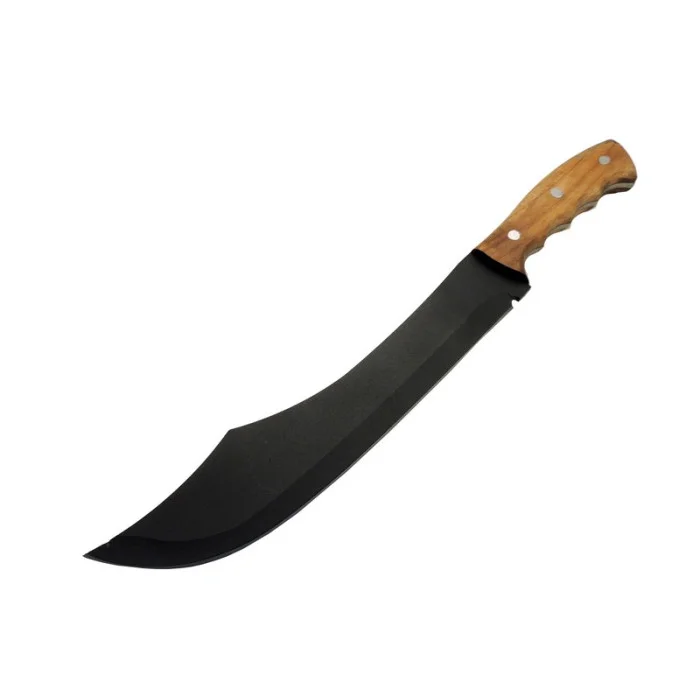
Baytürk Forest Machete 38 CM 4.3 mm 3260 Carbon Steel Hunting Knife
Ideal for woodworking or tougher outdoor tasks, this machete offers superior sharpness and durability thanks to its 3260 carbon steel. The root walnut handle provides an ergonomic grip, while its 4.3 mm thickness handles demanding jobs. Regular steel oiling and rust prevention maintenance for such large carbon steel blades is vital to preserve their performance. Especially for outdoor use, where it will frequently come into contact with moisture and sweat, detailed cleaning and oiling after every use is essential. The leather sheath protects the knife and enhances carrying comfort, but for long-term storage, we recommend removing the knife from its sheath and wrapping it in an oiled cloth.
Ottoman Local Knife B – 23 CM Steel Knife, 3 mm Thickness, Safety Lock
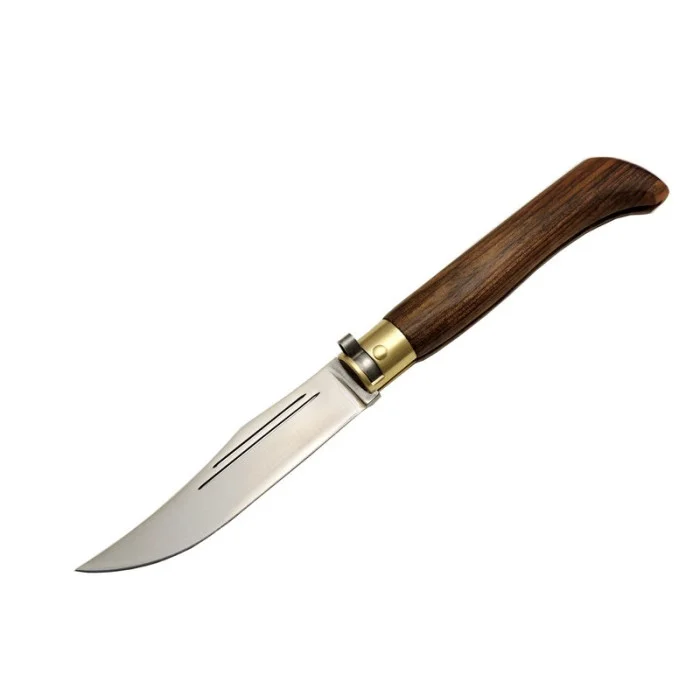
The locally produced Ottoman Local Knife B offers both durability and corrosion resistance with its 4034 steel. The handle, crafted from natural walnut wood, perfectly fits an artisan's hand. Its 3 mm thickness provides a wide range of uses, from delicate carving to general cutting tasks. The safety lock mechanism ensures a secure user experience. This knife also requires regular cleaning and knife maintenance and oiling. Especially, the natural structure of the walnut wood handle should be preserved with proper wood care.
Alaska Steel Knife Rose 17.5 CM - Durable Outdoor Knife
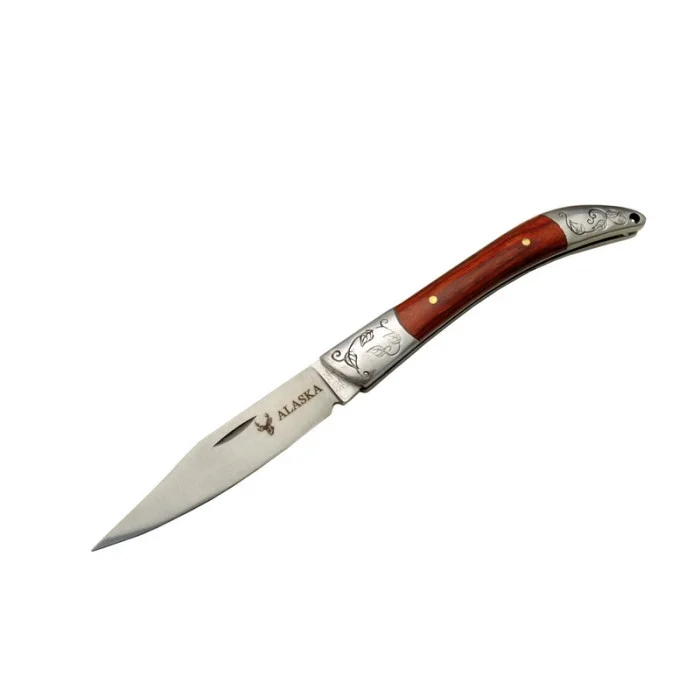
With its compact size and sharp blade tip, the Alaska Steel Knife Rose is an excellent choice for detailed woodcarving and precise cutting tasks. It's made from high-quality steel and stands out with aesthetic rose-motif details. Its ergonomic grip reduces hand fatigue even during prolonged use. To maintain the fine and sharp structure of this knife, it's important to clean and oil it after every use. It should be noted that corrosion will affect performance more quickly on thin-tipped blades.
QTRM5TR KARAMBIT 18 CM Steel Knife
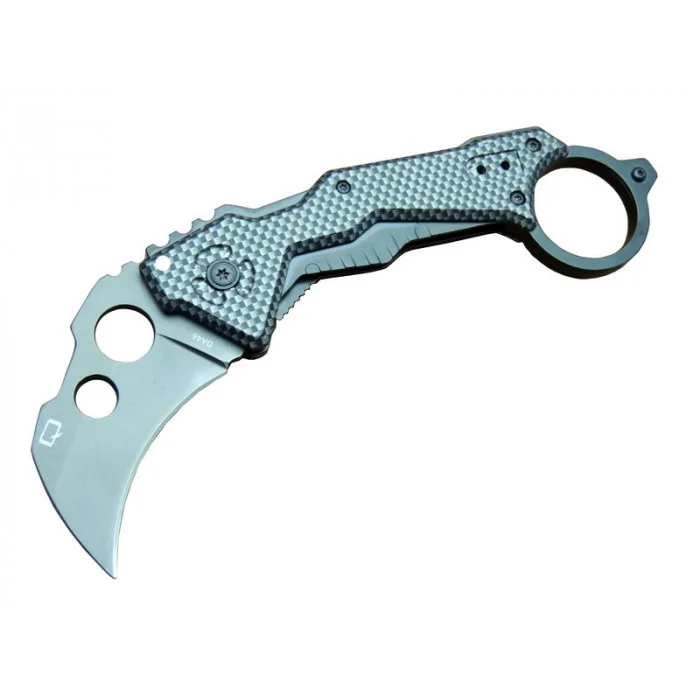
The QTRM5TR Karambit offers high strength and corrosion resistance thanks to its 440C steel. Its ergonomic design and fast-opening mechanism make it suitable for tactical uses, as well as certain specialized crafts or everyday carry (EDC) needs like rope cutting. Although 440C is stainless steel, it should still be periodically cleaned and the pivot points should receive knife maintenance and oiling. This extends the mechanism's smooth operation and the overall life of the blade.
Common Mistakes and What to Avoid
- Leaving in Humid Environments: Never leave your carbon steel blade in a damp place or wet in its sheath. Rust can form in no time.
- Contact with Acidic Substances: Immediately clean and dry the blade after contact with acidic substances like lemon juice, tomatoes, or certain wood saps.
- Using the Wrong Oil: Products like motor oil, cooking oils, or WD-40 can damage your blade or leave unwanted residues. Always use specialized blade oils or food-grade mineral oil.
- Prolonged Neglect: Even if you won't be using your knife for a long time, don't forget to regularly check and oil it.
- Over-Oiling: Too much oil can cause dust and dirt to stick to the blade. A thin layer is sufficient.
Carbon steel knives are partners for artisans. Taking good care of them not only enhances their performance but also extends the life of these valuable tools. With regular knife oiling and proper maintenance routines, your knives will serve you faithfully for years to come.
Frequently Asked Questions
How often should I oil my carbon steel knife?
You should oil your carbon steel knife depending on your usage frequency and the humidity level of your environment. Oiling after heavy use or once a week is generally sufficient. In humid environments or if it will be stored for a long time, it will be beneficial to check and oil it more frequently.
Why is it important to use food-grade oil?
If you use your knife for tasks that may involve food contact (e.g., camp kitchen or bushcraft activities), using food-grade oils is important for your health. These oils are made from ingredients considered safe for human consumption and prevent harmful chemicals from transferring from your blade to food.
Can I use olive oil or sunflower oil for knife oiling?
No, cooking oils like olive oil or sunflower oil will oxidize over time (go rancid), leaving a sticky residue and causing an unpleasant odor. This will reduce your blade's performance and make cleaning difficult. Always choose appropriate products like mineral oil or specialized blade oils.

Comments (0)
No comments yet. Be the first to comment!