
Wilderness First Aid Kit Essentials: Your Ultimate Outdoor Safety Guide
The Foundation of Outdoor Safety: Why a Wilderness First Aid Kit is Crucial
Every outdoor adventure, while offering unparalleled beauty, also comes with its share of risks. Whether it's a long trek or a multi-day camping trip, unexpected situations can always arise. In such moments, one of the most fundamental and vital pieces of equipment is undoubtedly a wilderness first aid kit. A properly packed first aid kit can be a lifesaver in various situations, from minor cuts to serious injuries, providing immediate care and helping stabilize the situation until professional help arrives.
In this guide, we'll delve into how to prepare a first aid kit for potential outdoor emergencies, the essential items it must contain, and how to effectively use these supplies. Our goal is to maximize the safety of outdoor enthusiasts and ensure they are prepared for potential risks.
Wilderness First Aid Kit Contents: The Must-Haves
The contents of a first aid kit can vary depending on the conditions of the region you're visiting, the duration of your activity, and the number of participants. However, some core items are indispensable in every wilderness first aid kit:
- Sterile Dressings and Bandages: Essential for preventing infection and stopping bleeding from cuts, scrapes, and burns. Include various sizes of gauze pads and adhesive bandages.
- Antiseptic Solutions and Wipes: Alcohol wipes, povidone-iodine, or similar products are crucial for cleaning and disinfecting wounds.
- Pain Relievers and Fever Reducers: Provide quick relief for headaches, muscle aches, or mild fevers.
- Allergy Medication: Antihistamines can be lifesavers for allergic reactions caused by insect stings or plant contact.
- Burn Cream or Gel: Offers immediate relief for sunburns or minor contact burns.
- Tweezers and Scissors: Practical tools for removing splinters, thorns, or cutting bandages.
- Gloves: Sterile gloves are essential to protect both yourself and the injured person when administering aid.
- Emergency Blanket: A lightweight and compact solution to conserve body heat against the risk of hypothermia.
- Whistle: Used for signaling if you get lost or need to call for help.
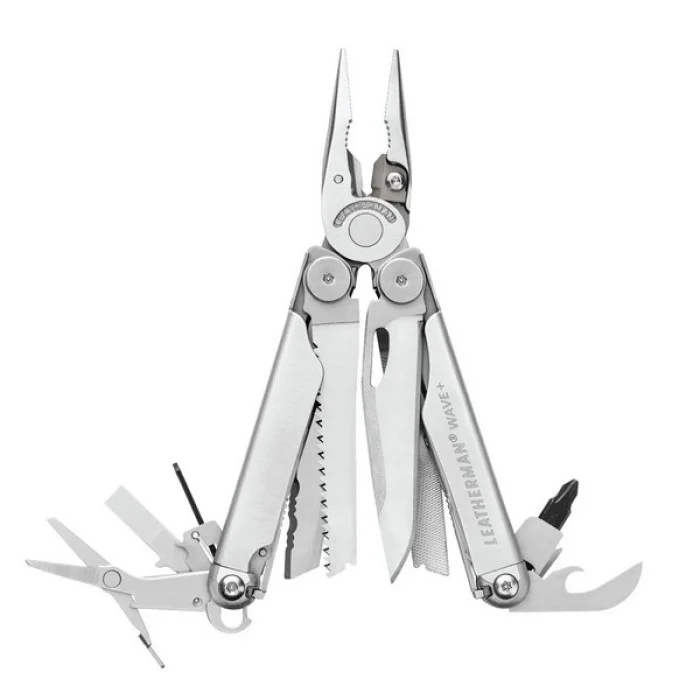
- Multi-tool: An indispensable tool for cutting rope, opening packaging, or making simple repairs in unexpected situations. Choosing the right multi-tool will greatly benefit you in this regard.
Lifesaving Assistant: Multi-purpose Knives
In the wilderness, there might be times you need more than just a simple cut. Whether it's cutting a rope, opening packaging, or even setting up a basic shelter, you'll need a sturdy blade. This is where a good tactical knife or camping knife becomes an integral part of your first aid kit.
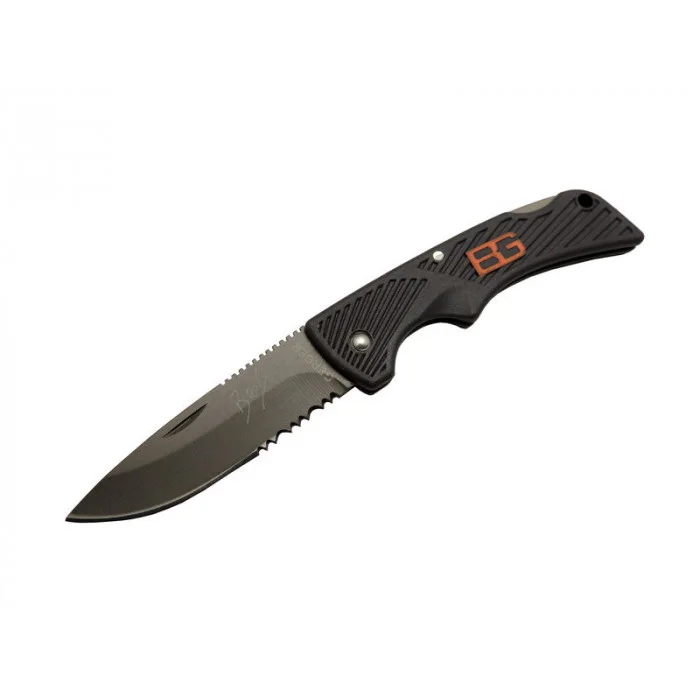
The Gerber Bear Grylls Folding Sheath Knife stands out with its compact design and high-performance steel blade. This knife, which you can carry with you on all outdoor activities, will assist you in many tasks such as cutting rope and preparing materials in emergencies. Its corrosion-resistant structure and ergonomic grip offer long-lasting and comfortable use.
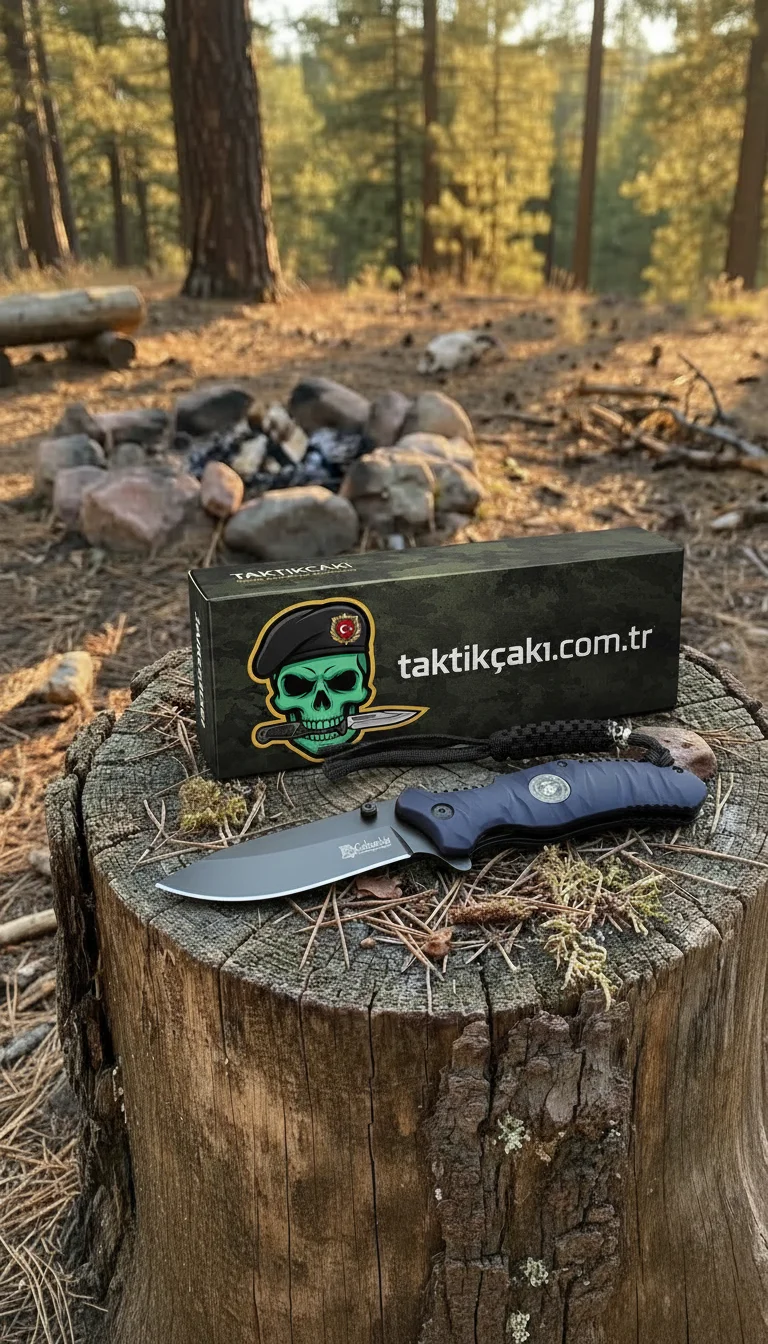
The Columbia Tactical Corded Knife model, with its 21 cm robust steel blade and quick-opening mechanism, attracts attention. Maintaining its sharpness in activities like camping, fishing, or hunting, this knife is also suitable for everyday carry (EDC) due to its minimalist design. Its ability to provide quick and safe access in an emergency makes it a valuable part of your first aid kit.
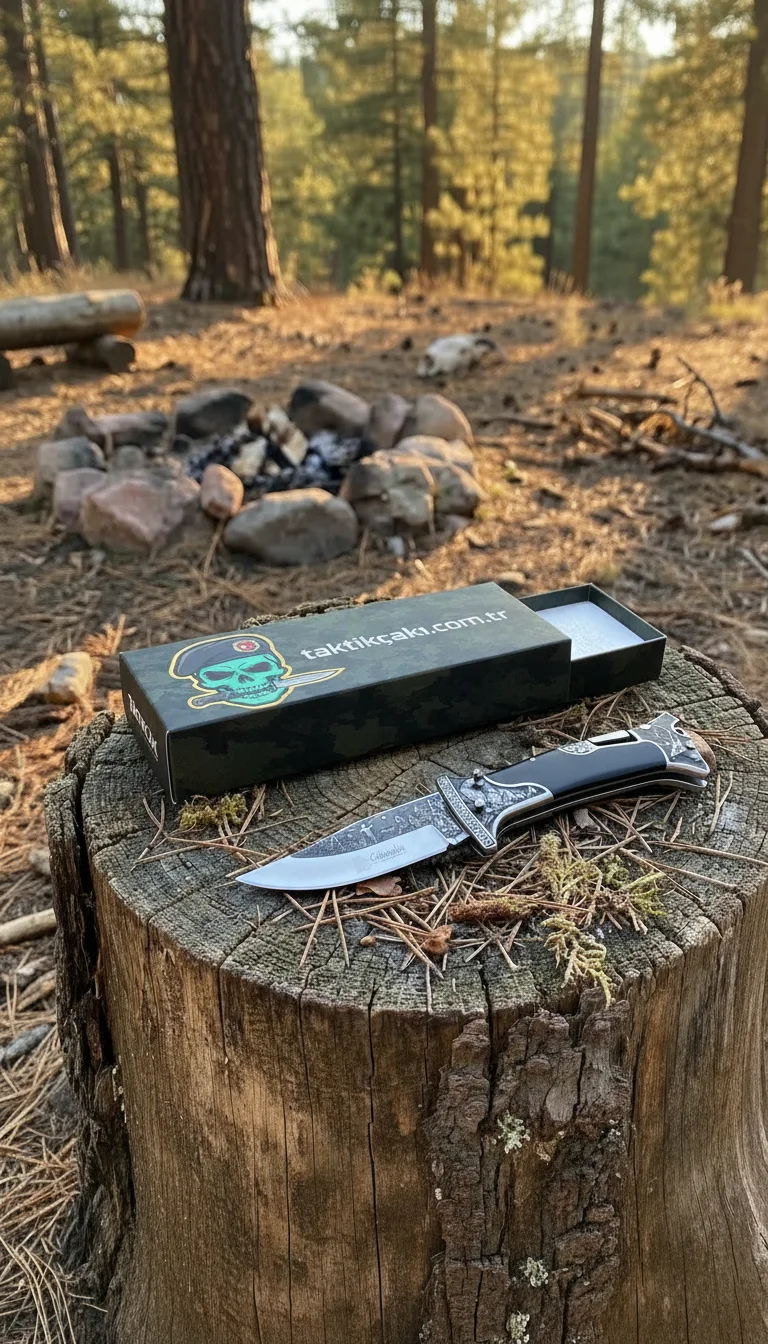
The Columbia Deer Hunting Knife is a professional option designed for hunters and nature lovers. Its 23 cm sharp blade and ergonomic grip make it a reliable assistant for cutting tasks. Its durable steel blade, which maintains its performance even in harsh conditions, should be at hand during critical moments in both hunting and camping.
Considerations When Preparing Your Wilderness First Aid Kit
When preparing your kit, simply gathering materials is not enough. You must also organize it with the right approach and check it regularly:
- Waterproofing: Store all your supplies in waterproof bags or containers. Rain or moisture encountered in nature can render your supplies unusable.
- Easy Access: Organize your kit so that you can quickly access items in an emergency. Frequently used items should be at the top and easily reachable.
- Expiration Dates: Regularly check the expiration dates of medications and some sterile products, and replace expired ones with new ones.
- Training: Learn how to use the items in your first aid kit. Basic first aid knowledge is as important as the supplies themselves. Taking a first aid course will give you a significant advantage in this regard.
- Personal Needs: If you have regularly used medications or specific allergies, don't forget to add them to your first aid kit.
Emergency Scenarios and Proper Intervention
Emergency situations you might encounter in the wilderness can vary. Here are some common scenarios and interventions you can perform with your wilderness first aid kit:
Minor Cuts and Scrapes
These are the most common injuries. Clean the wound with an antiseptic wipe, and cover it with a sterile adhesive bandage or dressing. If there's bleeding, apply direct pressure with a clean cloth.
Sprains and Dislocations
For sprains in joints, avoid moving the joint. Apply ice if available and stabilize with a bandage. Ensure the person rests until professional help arrives.
Insect Bites and Stings
Clean the affected area. If it's a bee sting, carefully remove the stinger with tweezers. If there are signs of an allergic reaction (swelling, redness, shortness of breath), use allergy medication and monitor the situation closely.
Hypothermia (Low Body Temperature)
Can occur especially in cold weather or after falling into water. Keep the person dry, remove wet clothing, and wrap them in an emergency blanket. You can offer warm drinks (if they are conscious).
One of the most crucial steps to ensuring your safety while spending time in nature is always being prepared. A well-thought-out first aid kit can save not only your life but also the lives of others around you. Remember, nature is always full of surprises, and the best defense against these surprises is to be knowledgeable and prepared.
Frequently Asked Questions
What medications should absolutely be in a wilderness first aid kit?
Pain relievers, fever reducers, antihistamines (allergy medication), anti-diarrhea medication, and anti-nausea medication should definitely be included. Don't forget to add any personal medications you regularly use.
What should be the size and weight of a first aid kit?
This depends on the duration of your activity and the number of participants. Generally, a compact and lightweight kit that meets basic needs should be preferred. However, longer and more challenging trails may require a more comprehensive kit.
Why is a multi-tool important in a first aid kit?
A multi-tool offers practical solutions in many different situations, such as cutting rope, opening packaging, or removing splinters. Additionally, extra tools found in some models, like screwdrivers or pliers, can be useful for simple repairs and are critical tools to have on hand in emergencies.
Related Products
Gerber Knives
Gerber Bear Grylls Çakı – Profesyonel Açık Hava Çakı
614₺
COLUMBİA
Columbia Tactical Çakı İpli 21 CM – Dayanıklı Açık Hava Çakı, Kamp ve Av Bıçağı
1.396₺
COLUMBİA
Columbia Geyikli Çakı – Profesyonel Av ve Kamp Çakı
2.293₺
LEATHERMAN
Leatherman Wave Plus Metalik Pense – Çok Fonksiyonlu Çakı ve Pense Seti
15.035₺
Comments (0)
No comments yet. Be the first to comment!