
Mastering Knife Maintenance: The Ultimate Guide to Folding Knife Lubrication

Folding Knife Lubrication: Why It's a Critical Maintenance Step
Whether for outdoor adventures, daily tasks, or professional use, your folding knife is one of your most trusted tools. However, over time, dust, moisture, dirt, and wear from use can negatively impact its performance. This is where folding knife lubrication comes in. Proper and regular lubrication ensures the smooth operation of your knife's mechanical parts, prevents rust, and significantly extends your blade's lifespan. In this guide, we'll delve into how to effectively lubricate your knives and which products you should choose.
Regularly lubricating your folding knives doesn't just prevent rust; it also enhances the fluidity of the blade's opening and closing mechanism. Especially in folding knives, pivot points and locking mechanisms are the most susceptible areas to friction and corrosion. Lubricating these areas ensures ease of use and prevents mechanical failures. Rust is a major threat, particularly for knives used in humid or salty environments. Rust diminishes a blade's sharpness and durability, and can even lead to irreversible damage.
Choosing the Right Knife Oil and Application Techniques
There are many different types of knife oils on the market. When making your selection, you should consider your knife's material, its intended use, and the conditions it will be exposed to. For instance, food-grade oils should be chosen for knives that will come into contact with food. For general use, synthetic or mineral-based oils are suitable. Before starting the lubrication process, it's crucial to thoroughly clean your knife. Lubricating a dirty knife can cause existing grime to penetrate deeper into the mechanism.
Step-by-Step Folding Knife Lubrication Process
- Cleaning: First, wash your knife with warm water and mild soap. You can use a small brush or toothpick to clean dirt, especially around the pivot points and locking mechanism. Afterward, dry your knife completely. Ensure all moisture has evaporated by using an air compressor or a hairdryer (on low heat).
- Rust Check: During cleaning, check for any signs of rust on the blade. For light rust, you can use fine-grit sandpaper or special rust remover products. For more severe rust, you might consider seeking professional help.
- Oil Application: Apply a few drops of your chosen knife oil to your knife's pivot point, locking mechanism, and all metal surfaces of the blade. Avoid using too much oil; a small amount is usually sufficient. Open and close the knife a few times to spread the oil evenly.
- Wipe Off Excess Oil: Wipe off any excess oil with a clean, lint-free cloth. Excessive oil can attract dust and dirt.
This process is key to extending your knife's life and ensuring it always performs at its best. This maintenance routine is indispensable, especially for gear used in harsh conditions, such as hunting knives and camping knives.
Lubrication Tips and Products for Different Knife Types
Each knife type may require a unique maintenance approach. For example, while stainless steel blades are more corrosion-resistant, carbon steel blades demand a much stricter lubrication routine. Here are lubrication tips for different knife types and their specific needs:
Professional and Heavy-Duty Knives
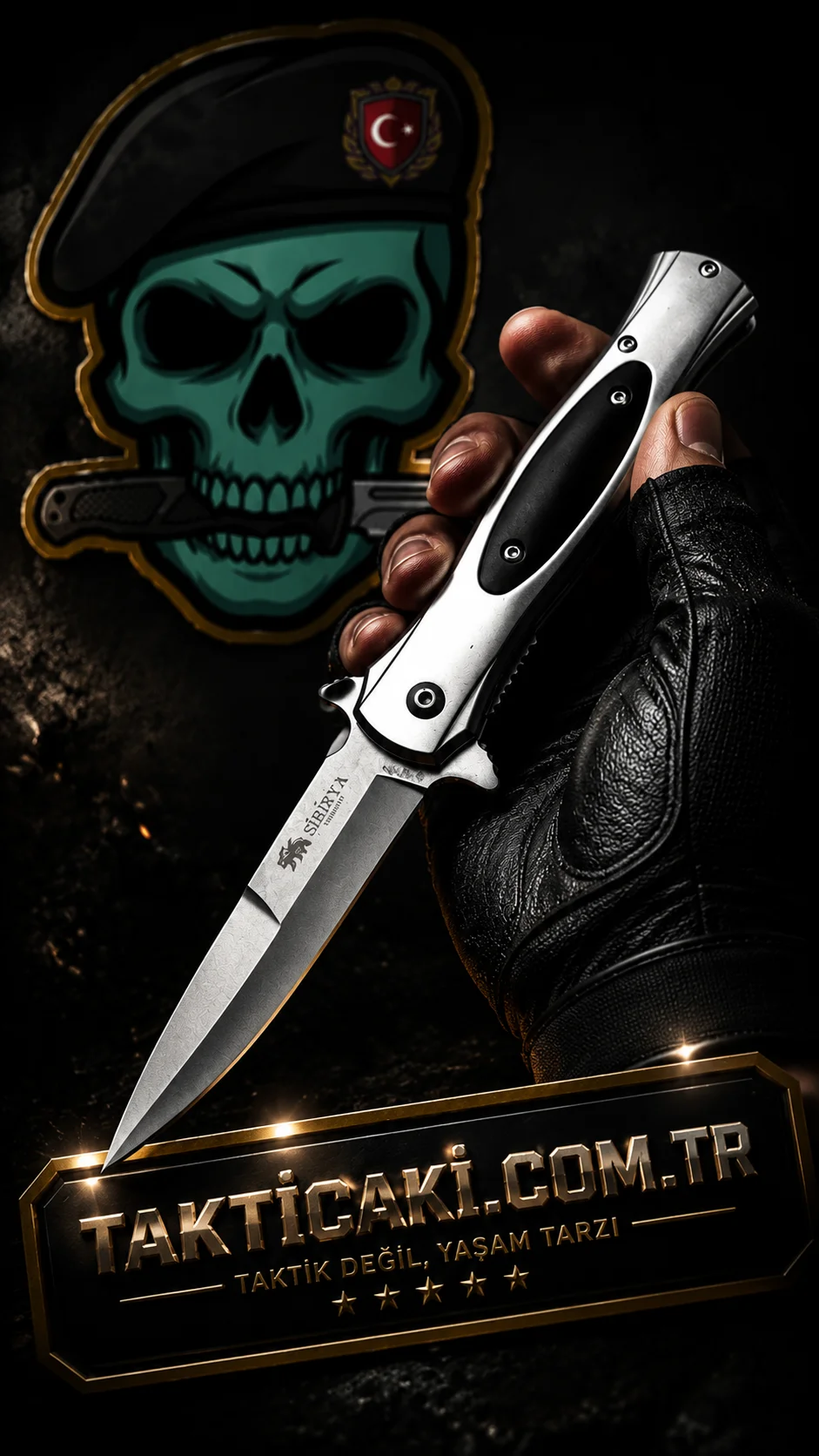
Knives intended for professional use are often exposed to more intense and demanding conditions. Therefore, high-performance oils that provide long-lasting protection should be preferred. For example, products like the Siberian Engraved Knife Patina are both aesthetically pleasing and highly functional, and maintain their performance with regular lubrication.

Siberian Engraved Knife Patina - 19.5 CM Professional Folding Knife: This knife is crafted from high-quality steel, and its slim and lightweight design makes it an excellent companion for everyday carry and outdoor activities. The engraved surface offers an aesthetic appeal, while the ergonomic grip ensures comfort during prolonged use. The pivot points and locking mechanisms of such knives should be carefully lubricated, especially after heavy use. A synthetic-based, low-viscosity oil is ideal for a smooth opening mechanism.
Hunting Knives and Special Care Requirements
Hunting knives often come into contact with aggressive substances like blood, soil, and moisture. This increases the risk of rust. Therefore, cleaning and lubricating hunting knives after each use is critically important. High corrosion-resistant synthetic oils or specialized hunting knife oils should be preferred.
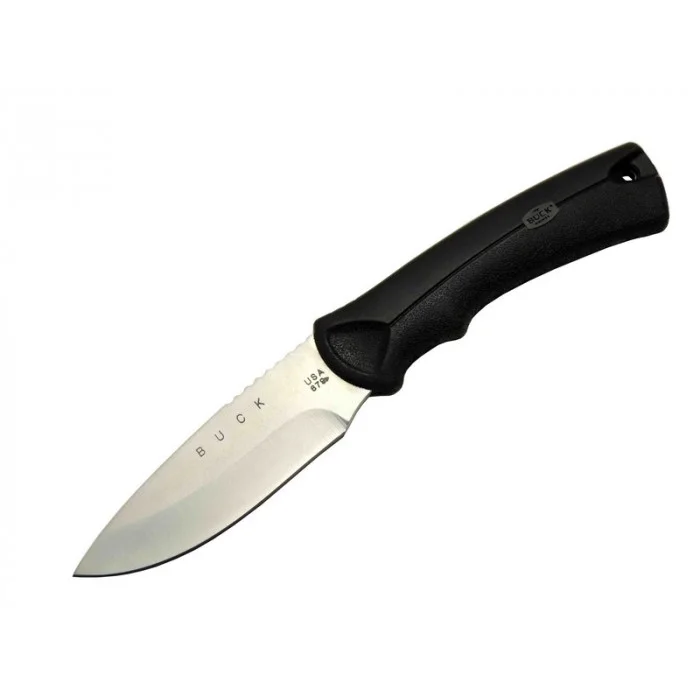
Buck Hunter Knives 22 CM Professional Hunting Knife: The Buck brand is a symbol of reliability in the hunting world. This 22 cm model features a high-carbon steel blade body, offering long-lasting sharpness and corrosion resistance. For reliable performance in tough outdoor conditions, regular lubrication of the blade surface and handle connection points is essential. Post-hunt cleaning and lubrication, in particular, are vital for maintaining the knife's performance and hygiene.
Everyday Carry (EDC) Knives and Simple Lubrication Tips
Everyday carry (EDC) knives are constantly exposed to external elements in your pocket or bag. Dust, lint, and moisture can cause mechanisms to seize. Light and fast-drying oils are ideal for these knives. Local productions like the Malatya Knife can also fall into this category.
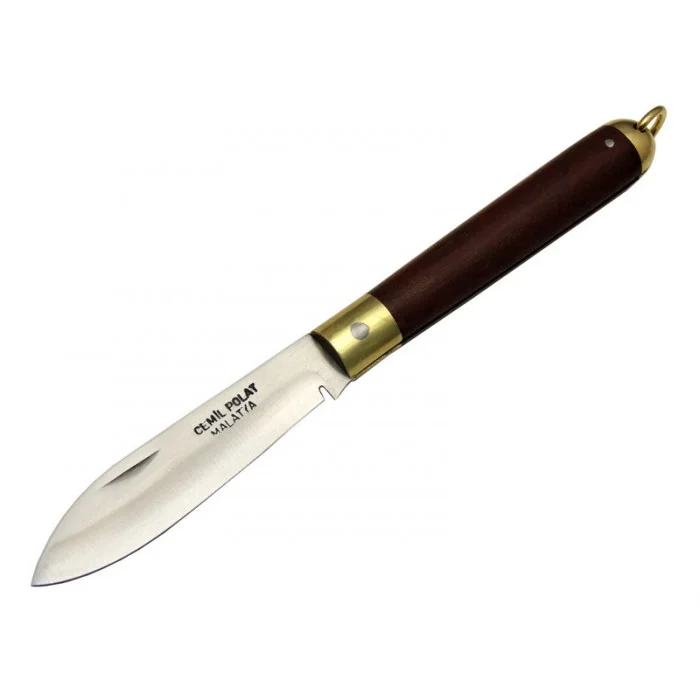
Malatya Knife Çif Safı B 18 CM – Stainless Steel, Fiber Handle Pocket Knife: This Malatya Knife, produced by Cemil Polat, is ideal for daily use with its stainless steel blade and ergonomic fiber handle. Its lightweight construction and comfortable grip make it easy to carry. Even though it's stainless steel, regular light lubrication, especially for the pivot point and locking mechanism, extends its smooth operation and lifespan. For the fiber handle, no special lubrication is needed; simply keeping it clean is sufficient.
Assisted Opening Knives and Mechanism Sensitivity
Assisted opening knives feature fast and secure opening and closing mechanisms. Regular and proper lubrication is essential for these mechanisms to function flawlessly. High-performance assisted opening knives like the Crkt Pleroma require particular attention in this regard.
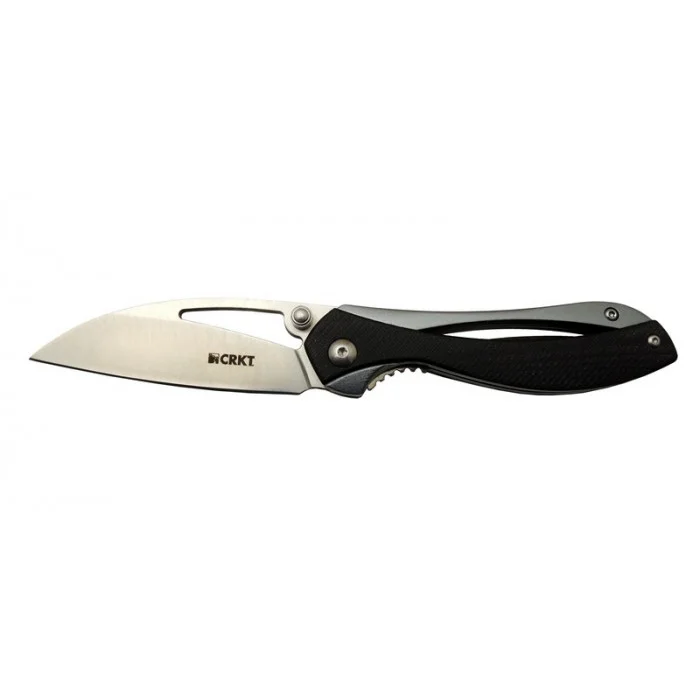
Crkt Pleroma 18 CM Knife - Professional Assisted Opening Knife: The Crkt Pleroma offers fast and secure opening and closing thanks to its assisted mechanism. With its 18 cm sharp blade and ergonomic grip, it's a versatile option for camping, hunting, and daily needs. To maintain the precision of the assisted mechanism and prevent wear, a thin layer of oil should be regularly applied to this knife's pivot points and locking system. Keeping it dry and clean is key to preserving its performance for a long time.
Additional Knife Lubrication Tips and Common Mistakes
Some common mistakes made in knife maintenance, even if well-intentioned, can damage your blade. Avoiding these errors will extend your knife's life.
- Using the Wrong Oil: Cooking oils (olive oil, sunflower oil) or multi-purpose sprays like WD-40 are not suitable for knife lubrication. Cooking oils degrade over time and create a sticky residue; WD-40 is primarily a cleaner and water repellent, it does not provide long-term lubrication and can harm mechanisms. Always use oils specifically formulated for knives.
- Over-Lubrication: Using too much oil causes dust and dirt to stick to the knife's mechanism. This, over time, increases friction and reduces performance. A few drops are sufficient.
- Lubricating Before Cleaning: Lubricating a knife without cleaning it first can cause existing dirt to penetrate deeper into the mechanism, leading to bigger problems.
- Storage Conditions: Leaving a lubricated knife in damp or very hot environments increases the risk of rust. Always store your knives in a dry and cool place.
Adopting a regular and correct folding knife lubrication habit not only extends your knife's life but also ensures you always have a reliable tool. Remember, a well-maintained knife always performs better and accompanies you longer.
Frequently Asked Questions
How often should I lubricate my folding knife?
It depends on your knife's frequency of use and the conditions it's exposed to. As a general rule, lubricating after heavy use or once a month is sufficient. It's best to clean and lubricate immediately after exposure to humid environments or saltwater. For EDC knives, routine lubrication every 2-3 months is recommended.
What types of oils are most suitable for knife lubrication?
Synthetic or mineral-based oils specifically formulated for knives are the most suitable. For knives that will come into contact with food, food-grade oils should be preferred. Silicone-based oils are generally more suitable for plastic and rubber parts, while specialized knife oils are more effective for metal.
What should I do if my knife's mechanism is still stiff after lubrication?
If stiffness persists after lubrication, it's highly likely that there's accumulated dirt or rust within the mechanism. In this case, you may need to clean your knife more thoroughly. Try to remove all dirt and rust residues using a fine brush, toothpick, and alcohol-based cleaners. If necessary, slightly loosening the pivot screw on some knife models can also help. If the problem continues, you might consider seeking help from a professional knife smith.
Comments (0)
No comments yet. Be the first to comment!