
Mastering Wooden Handle Care: Extend the Life of Your Traditional Knives

Why is Wooden Handle Care Essential?
Traditional wooden-handled knives, an indispensable part of craftsmanship and outdoor life, can last for generations with proper wooden handle care. Wood's natural texture, aesthetics, and ergonomic feel make it a popular choice for knife handles. However, as a living material, wood is susceptible to environmental factors and requires special attention. In this guide, you'll find all the details you need to preserve the beauty and functionality of your wooden-handled knives for years to come.
Over time, wood can dry out, crack, fade, or be affected by moisture. Sudden transitions between humid and dry environments, in particular, can lead to wood deformation. Therefore, regular maintenance is crucial not only for aesthetics but also for the overall durability and safety of your knife. A well-maintained wooden handle feels more comfortable in your hand and extends the lifespan of your blade.
Essential Steps and Products for Wooden Handle Care
1. Cleaning and Drying
After using your wooden-handled knife, it's crucial to immediately clean off any dirt, moisture, or other residues. Gently wipe the handle with a soft cloth and lukewarm, soapy water. Avoid chemical cleaners or abrasive materials, as these can damage the wood's natural structure. After cleaning, thoroughly dry the handle with a clean cloth and allow it to air dry completely. Never dry it in direct sunlight or near heat sources, as this can cause cracking.
2. Moisturizing and Protection
To prevent the wooden handle from drying out and cracking, regular application of moisturizing and protective oils is necessary. These oils penetrate the wood, nourishing it, maintaining its flexibility, and providing water resistance. Linseed oil, tung oil, or specialized wood care oils can be used for this purpose. Apply a small amount of oil to a clean cloth and rub it into the entire handle. Wipe off any excess oil with a clean cloth and let the wood absorb the oil for a few hours. You can repeat this process monthly or every few months, depending on how often you use your knife.
3. Supporting the Wooden Handle with Sheath Care
The care of your knife's sheath is as important as the wooden handle itself. Leather sheaths, in particular, can affect the moisture balance of the wooden handle. Regular cleaning and conditioning of leather sheaths prevent the wooden handle from becoming excessively dry or affected by moisture. Ensure the inside of the sheath is clean and dry. A damp sheath can lead to the wooden handle rotting or molding.
For instance, high-quality genuine leather magazine pouches, designed to protect your magazines and enhance carrying comfort, can also inspire the care of your wooden-handled knife's sheath. The natural properties of leather, its moisture and dust-resistant features, protect your equipment from external factors.
4. Proper Storage Conditions
Store your wooden-handled knives away from extreme temperature fluctuations, direct sunlight, and high humidity. A dry and cool environment is ideal for extending the life of the wood. For knives that won't be used for a long time, it's best to coat them with a protective layer of oil and store them in a breathable sheath or box.
5. Pay Attention to Steel and Wood Compatibility
Some wood types can react with the blade's steel. Especially woods with high tannin content can cause rust on non-stainless steel blades. Therefore, ensure that your knife's wooden handle is compatible with the steel and provides additional protection against rust. Regular cleaning and oiling help minimize such adverse effects.
While synthetic materials like G10-handled knives require less maintenance than wooden handles, the natural feel and aesthetics of wood are unique. For example, the Dpx Gear Tondeo Karambit Knife, with its G10 handle, offers high heat resistance and excellent thermal insulation, providing a comfortable grip even in diverse conditions. However, for those who seek the warmth and character of wood, wooden handle care is indispensable.
Designed for modern hunters and outdoor enthusiasts, the Sterling Bracelet Knife features a durable stainless steel body and comes with a safety-locked carrying sheath. While such knives may not have wooden handles, the principles of sheath care are similar and extend the overall lifespan of your equipment.
Products like the Sog Kiku Knife with Khaki Leather Sheath offer a combination of fine craftsmanship and durable materials. The leather sheath provides both protection and a stylish appearance for the knife. The interior of the sheath securely holds the blade, minimizing the risk of accidental cuts. In such combinations, paying attention to the care of both the wooden handle and the leather sheath preserves the product's value and functionality.
Frequently Asked Questions
How often should I oil my wooden-handled knife?
This depends on how often you use your knife and its storage conditions. Generally, oiling it once a month or every few months is sufficient. If you notice the wood starting to look dry or its color fading, it's a sign that it's time for oiling.
Which oils should I use for wooden handle care?
Linseed oil, tung oil, or specialized wood care oils are the most suitable options. Kitchen oils like olive oil can leave a sticky residue over time and cause mold, so they are not recommended.
Can I submerge my wooden-handled knife in water?
You should avoid submerging your wooden-handled knife in water. If it gets wet, immediately wipe it with a dry cloth and allow it to air dry completely. Prolonged exposure to water can cause the wood to swell, crack, and deform.
Related Products
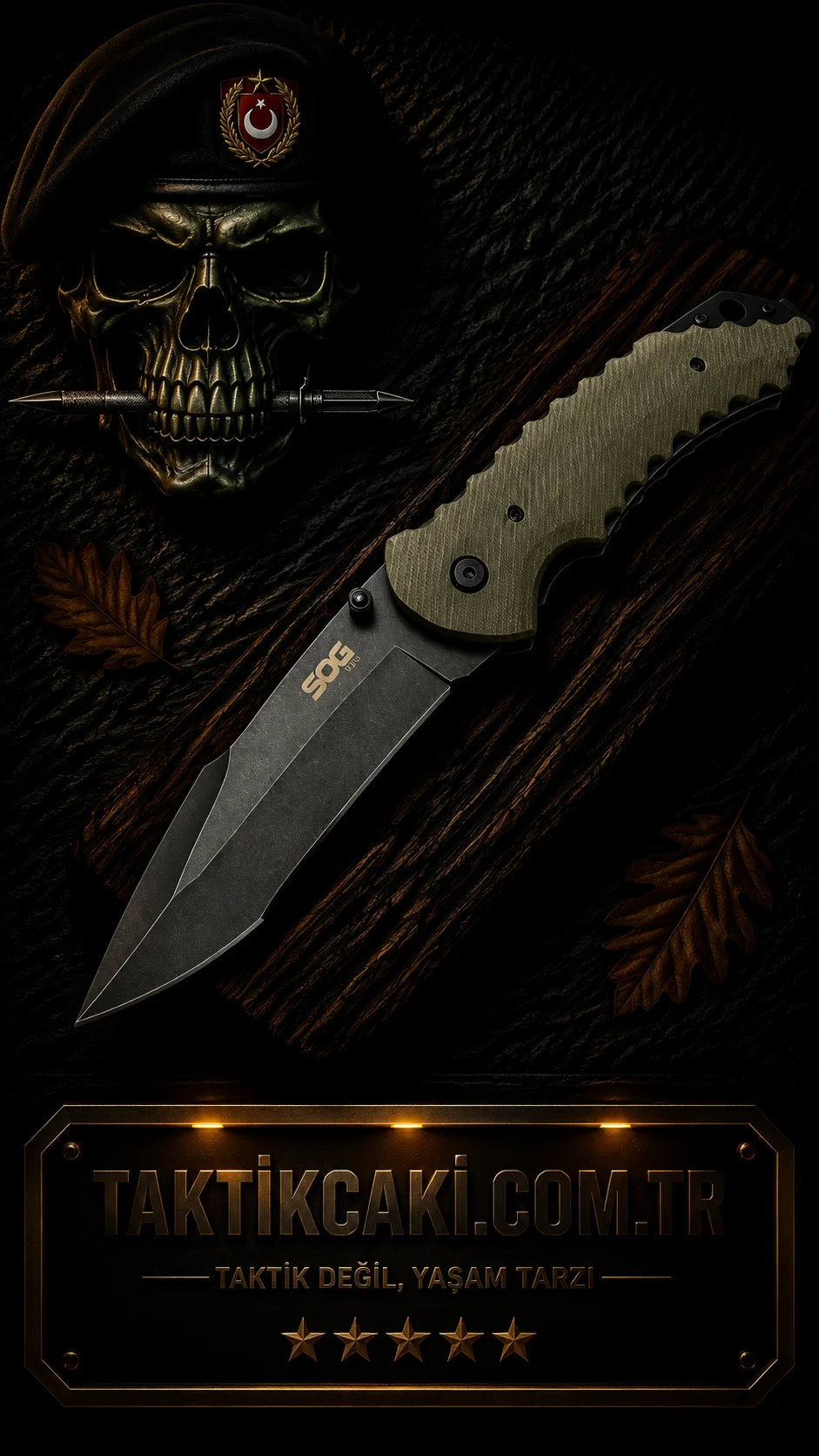
SOG
Sog Kiku Çakı Haki Deri Kılıflı Çakı
1.488₺
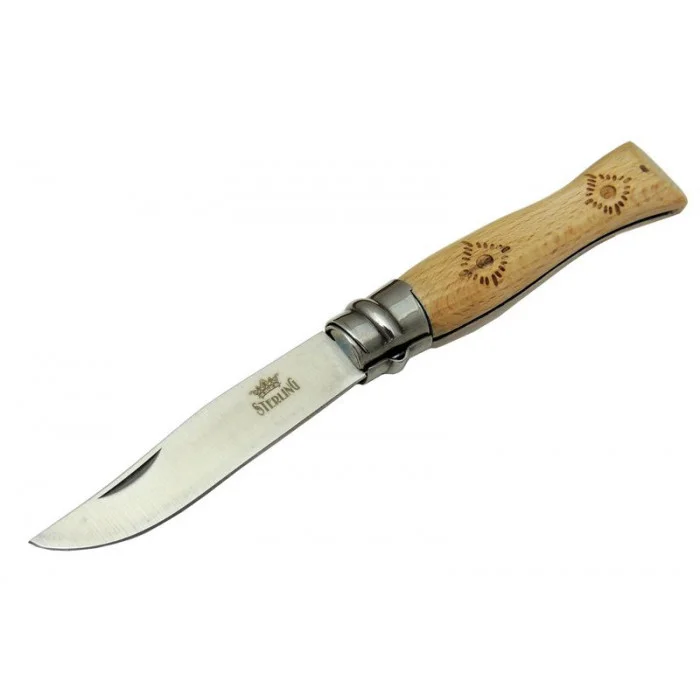
STERLING
Sterling Bilezikli Çakı – Paslanmaz Çelik Av Çakısı, Emniyet Kilitli Taşıma Kılıfı
936₺
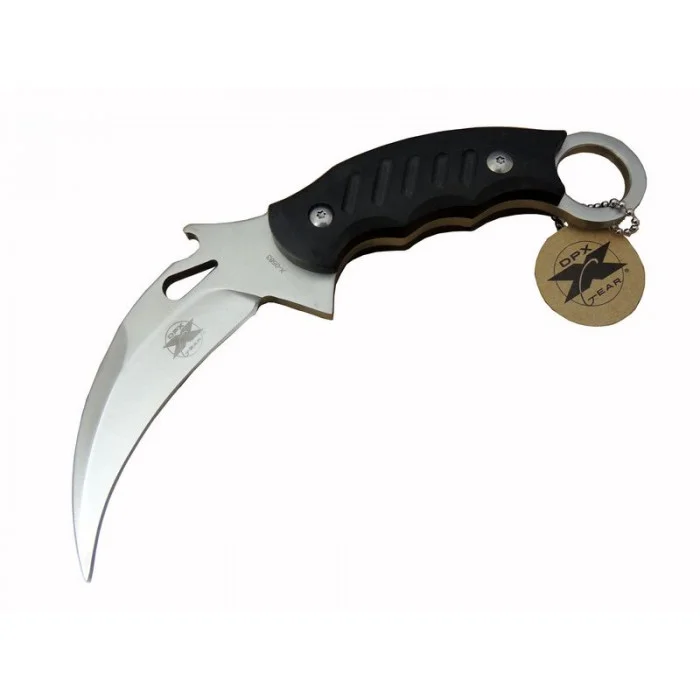
DpxGear
Dpx Gear Tondeo Karambit Bıçak – 20 CM, G10 Kabzeli, Taşımalı Kılıflı Keskin Çakı
1.764₺
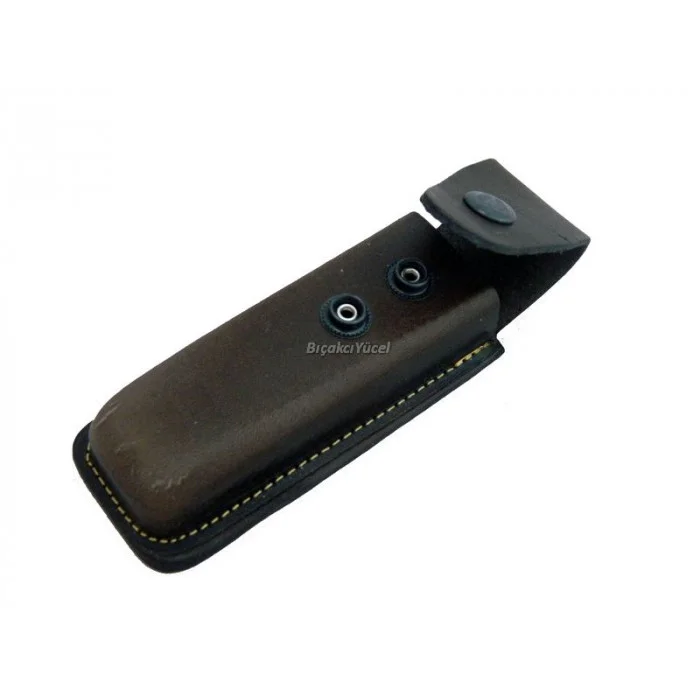
Other
Şarjör Kılıfı – Hakiki Deri Çift Renk Seçenekli 12x14 cm Kılıf
350₺

Comments (0)
No comments yet. Be the first to comment!