
Unleash Your Blade's Potential: The Ultimate Guide to Knife Coatings for Outdoor Adventures
Choosing Your Camp Knife: Why Coating Technologies Matter
In the wild, a reliable camp knife is more than just a tool; it's a trusty companion, a problem-solver, and often a survival essential. However, the performance and lifespan of a camp knife aren't solely determined by the quality of its steel. Today, coating technologies play a critical role in enhancing a knife's durability, corrosion resistance, and overall performance. In this guide, we'll delve deep into why coatings are so important when choosing your camp knife and explore the advantages of different coating types.
A camp knife frequently faces challenges from external elements like moisture, soil, plant acids, and impacts. These factors can lead to issues such as rust, wear, and dulling of the blade's surface. This is where advanced coating technologies like Cerakote come into play. These coatings act like armor, protecting the knife's steel from external elements, while also reducing friction to improve cutting performance and offering an aesthetic appeal.
Advantages of Coating Technologies for Camp Knives
Modern coating technologies offer a host of significant advantages for camp knives:
- Corrosion Resistance: Humid environments, salty air, or acidic plant saps can quickly rust an uncoated blade. Coatings significantly delay rust by isolating the steel surface.
- Wear Resistance: Increases the blade's resistance to friction, impact, and other mechanical stresses. This helps the blade stay sharp longer and prevents scratches on its surface.
- Low Friction: Especially slick coatings allow the blade to glide through materials more easily, enhancing cutting efficiency.
- Anti-Reflective Properties: In tactical applications or hunting, this prevents the blade from reflecting sunlight, keeping the user's position concealed.
- Aesthetic Appeal: Offers various color and texture options, allowing for knife personalization.
Popular Coating Types and Their Features
There are many different types of knife coatings on the market. Some of the most common and effective include:
- Cerakote: A polymer-ceramic based coating. It offers excellent resistance to abrasion, corrosion, and chemicals. Its wide color palette also makes it aesthetically preferred.
- DLC (Diamond-Like Carbon): A diamond-like carbon coating that gives the blade incredible hardness and friction resistance. It typically offers a dark, matte finish.
- TiN (Titanium Nitride): Known for its gold color, this coating increases hardness and wear resistance.
- Black Oxide: Gives the blade a matte, dark appearance and provides mild corrosion resistance. It is generally a more cost-effective option.
Whether you're looking for a bushcraft knife to accompany you in the wilderness or a folding knife for everyday carry (EDC), your choice of coating should align with your intended use.
Choosing the Right Camp Knife with Its Coating
When selecting the right knife for your camping and outdoor adventures, you should also consider the type of coating. Here are some recommendations:
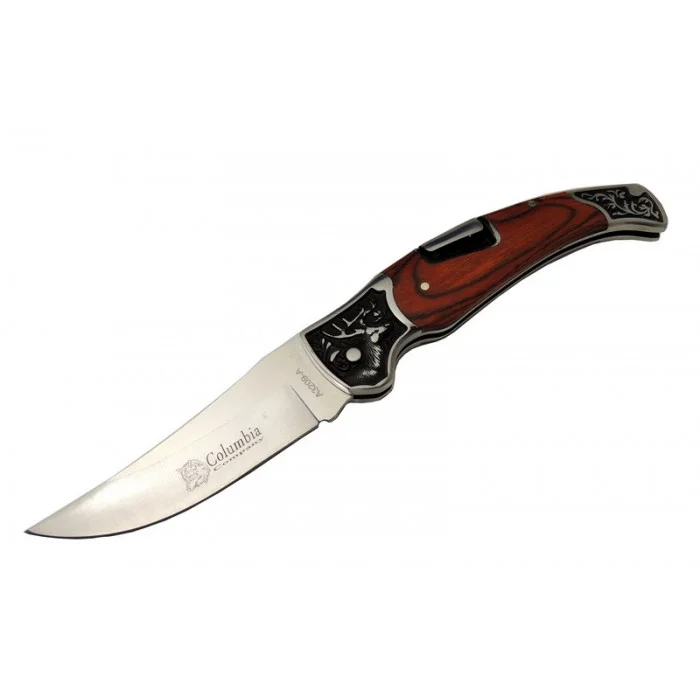
Columbia Deer Folding Knife: Multi-functional and Durable
The Columbia Deer Folding Knife aims to be an indispensable companion for outdoor enthusiasts with its 22.5 cm sharp blade and multi-functional design. The durable coating on this knife ensures its performance even in challenging terrain. Its ergonomic grip and lightweight structure offer comfort even during prolonged use. It works seamlessly with your camping gear and daily EDC needs.
This product is ideal, especially for general camping and outdoor use. The coating on the blade provides an extra layer of protection against moisture and dirt, extending the knife's lifespan.
Böker Tanto USA: Power and Puncture
The Böker Tanto USA is a 20 cm, foldable, and highly functional folding knife. This model stands out with its Tanto tip design, appearing as a modern interpretation of traditional Japanese knives. The biggest advantage of Tanto blades is the robustness of their tip and their piercing nature. This feature offers excellent performance for cutting or piercing tough materials. The steel and potential coating options used in this Böker model enhance the knife's wear and corrosion resistance, promising long-lasting use.
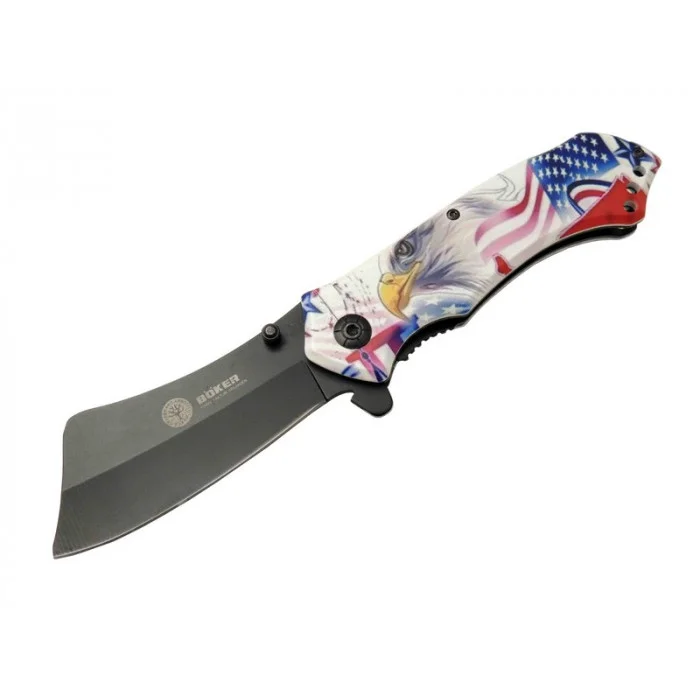
For those needing a piercing and powerful knife for hunting and tough wilderness conditions, the Böker Tanto USA, supported by its coating, is a reliable choice.
Columbia Dagger Folding Knife: Where Aesthetics Meet Functionality
The Columbia Dagger Folding Knife, with its elegant 21.5 cm rose design, stands out as both an aesthetic and functional folding knife. The blade of this knife is made of high-carbon steel, offering sharpness and long-lasting performance. Its rose motif design, in particular, gives the knife a unique character, while its durable construction makes it ideal for camping, hunting, and everyday use. The coating on it protects the blade's surface from scratches and external factors, preserving both its aesthetics and functionality for a long time.
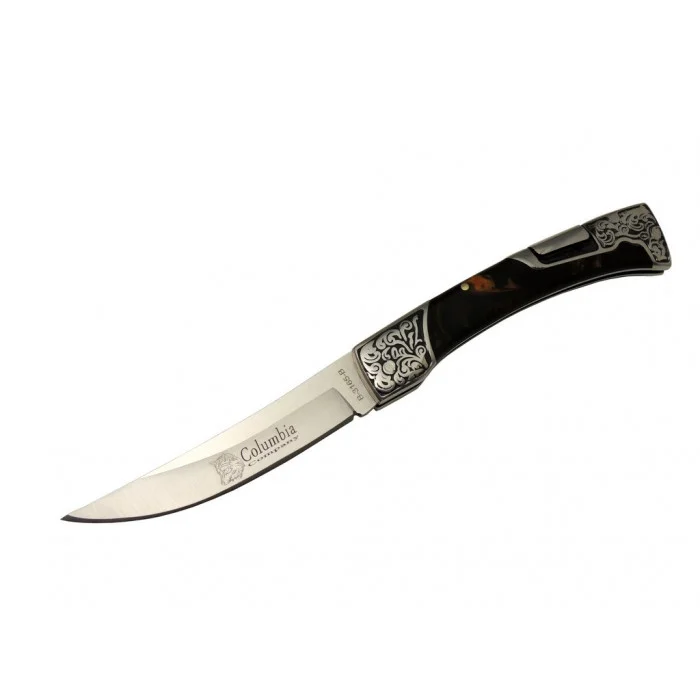
For users who desire a stylish design without sacrificing functionality, the Columbia Dagger Folding Knife, with its coated surface, is both beautiful and durable.
Columbia Rose Folding Knife: A Stylish Choice for Professional Use
The Columbia Rose Folding Knife is a stylish and durable folding knife designed for outdoor enthusiasts and professional cutting needs. Its 21 cm length provides both a comfortable grip and sufficient cutting power. The knife's body is manufactured in accordance with Columbia's high-quality material standards, offering long-lasting use. The knife's opening mechanism is equipped with a double lock system for secure closing. The durable coating used on this knife enhances its sharpness and overall durability, providing reliable performance even in professional use.
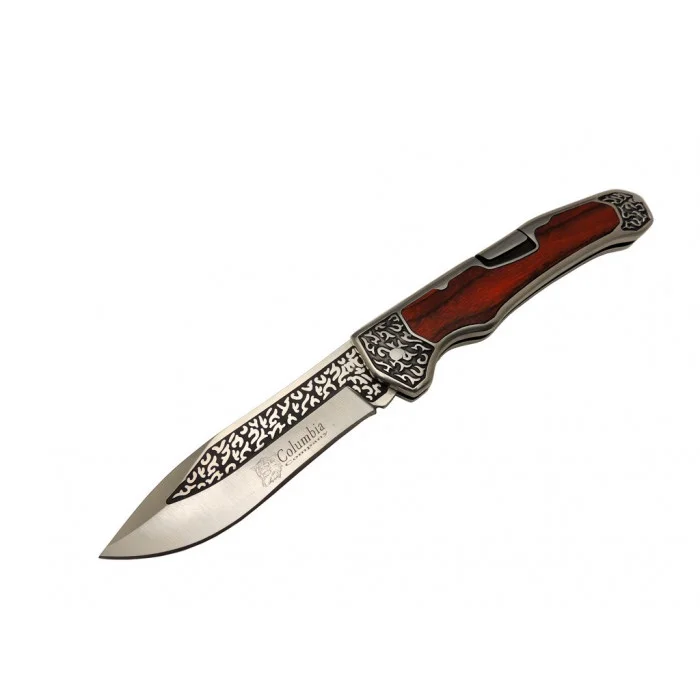
For professional use and those who value aesthetics, the Columbia Rose Folding Knife, with its coated structure, offers long-lasting and reliable performance.
Maintenance of Camp Knife Coatings and Long-Term Use
Even with a coated camp knife, regular maintenance is still crucial. No matter how durable coatings are, they can be damaged by excessive strain or neglect. To extend the life of your coated knives, you can follow these tips:
- Cleaning: Clean the knife after every use. Especially when it comes into contact with acidic substances, wash and dry it immediately.
- Drying: Never leave the knife wet. Make sure it is completely dry.
- Storage: Store the knife in a dry, well-ventilated place. Be careful not to leave it damp in its sheath for long periods.
- Sharpening: Sharpening coated knives must be done carefully to avoid damaging the coating. Generally, only the cutting edge is sharpened, and the coated surface is not touched. For more detailed information, you can refer to our folding knife sharpening techniques guide.
Remember, a well-maintained camp knife will serve you faithfully for years. Coating technologies are a modern way to further enhance this loyalty and performance.
Frequently Asked Questions
Will a coated camp knife rust?
Coatings significantly increase a knife's rust resistance but do not make it entirely rust-proof. The risk of rust can persist, especially in areas where the coating is damaged or worn. Therefore, regular maintenance and cleaning are vital.
Why is Cerakote coating more expensive than other coatings?
Cerakote has a special polymer-ceramic based formulation, and its application process requires detailed preparation and baking stages. Its high resistance to wear, corrosion, and chemicals, along with its wide range of colors and application flexibility, can make its cost higher compared to other coatings.
How should coated knives be maintained?
It is important to wash coated knives with warm water and mild soap after each use and dry them thoroughly. Abrasive cleaners or harsh brushes should be avoided to prevent damage to the coating. During sharpening, care should be taken to only sharpen the cutting edge, avoiding damage to the coated surface. Periodically wiping with a light oil helps prevent rust, especially in areas where there is no coating.
Comments (0)
No comments yet. Be the first to comment!