
Mastering Woodcraft: The Ultimate Guide to Choosing the Best Knives & Tools for Woodworking
Mastering the Art of Woodcraft: Choosing the Right Blade
Woodworking and carpentry, ancient crafts demanding patience and skill, have thrived for centuries. A cornerstone of success in these fields lies in selecting the right tools, especially the perfect blades. Whether you're embarking on a detailed carving project or tackling rough timber work, the correct knife selection directly impacts the quality and efficiency of your output. An unsuitable blade not only complicates your work but can also pose significant safety risks.
In this comprehensive guide, we'll delve into the various types of knives used in woodworking and carpentry, their unique features, applications, and most importantly, how to choose the blade best suited for your needs. You'll also find vital information on pocket knife maintenance and cleaning to extend the life of these valuable tools.
Essential Blade Types for Carpentry and Woodworking
The world of woodcraft boasts a diverse array of blades, each with its own specific purpose and method of use. Here are some of the most common:
- Carving Knives: Used for detailed work, figures, and fine lines. They are typically small, sharp, and easy to control.
- Whittling Knives: Ideal for shaping larger pieces of wood and removing rough material. They are generally more robust and sturdy.
- Axes and Cutting Accessories: Indispensable for felling trees, splitting logs, and preparing large timber sections. Designed to withstand powerful impacts.
- Drawknives: Long, curved blades used with two hands to debark wood or create flat surfaces.
How to Choose the Right Blade for Your Woodworking Projects
Several critical factors should be considered when making your knife selection:
- Project Type: Are you doing detailed carving or rough wood processing? This will determine the size, shape, and sharpness of the blade.
- Wood Type: Softer woods (pine, basswood) might only require thinner, sharper blades, while hardwoods (oak, walnut) will demand sturdier and more durable options.
- Steel Quality: High-carbon steels (e.g., 3260 carbon steel) retain their edge longer and are easier to sharpen. Stainless steels are more resistant to moisture but can be harder to sharpen. Learn more in our Blade Steel Guide.
- Handle Ergonomics: An ergonomic and comfortable handle is crucial for reducing hand fatigue during prolonged use. Non-slip materials like Fibrox are often preferred.
- Safety Features: Sheaths and locking mechanisms are critical safety elements for both you and your blade.
Now, let's explore some products you might consider for your woodworking and carpentry projects:
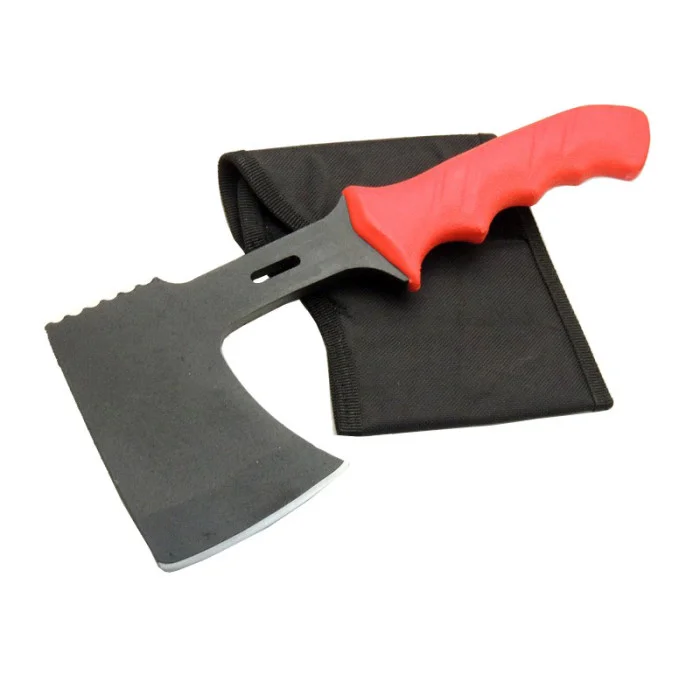
A Powerful Ally for Professional Cutting: Atasan Carbon Steel Camp Axe
If you need a robust axe for splitting large pieces, chopping wood, or rough shaping, the Atasan 29 CM 7MM 3260 Carbon Steel Camp Axe is an excellent choice. Crafted from 3260 carbon steel, this axe offers superior sharpness and durability. Its cataphoresis coating provides high resistance to rust, making it long-lasting even in outdoor conditions. The Fibrox handle ensures a comfortable and secure grip, even during extended use. This axe is ideal for those seeking professional performance in demanding tasks like tree felling and wood preparation.
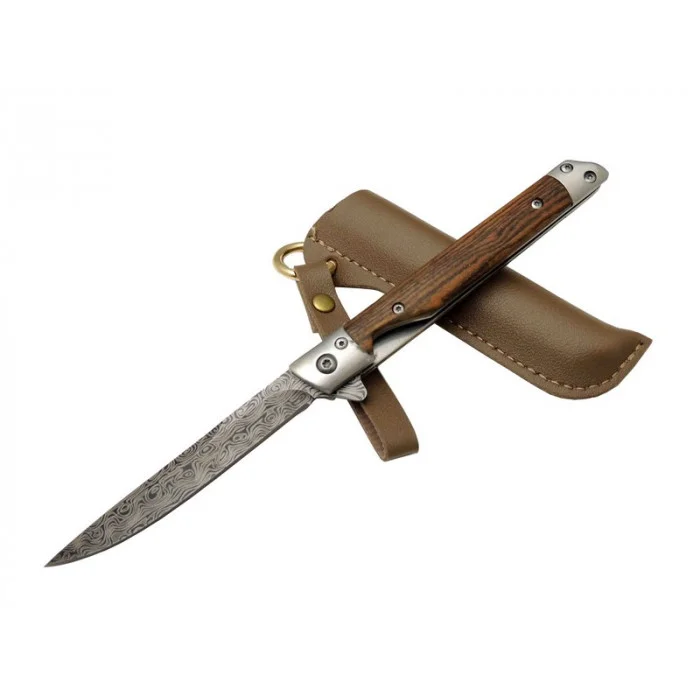
For Detailed Craftsmanship and Aesthetics: M390 Damascus Folding Knife
If you're working on finer, more detailed projects like wood carving, the M390 Damascus Folding Knife stands out with both its aesthetic appeal and superior performance. The high hardness and sharpness provided by the M390 alloy allow for precise cuts. The Damascus patterned steel not only offers a visual feast but also enhances the blade's sharpness and resistance to breakage. Its ergonomic design minimizes hand fatigue during long, detailed work sessions. The secure locking mechanism and lightweight construction make it a versatile tool that you can carry in the workshop or out in the wild.
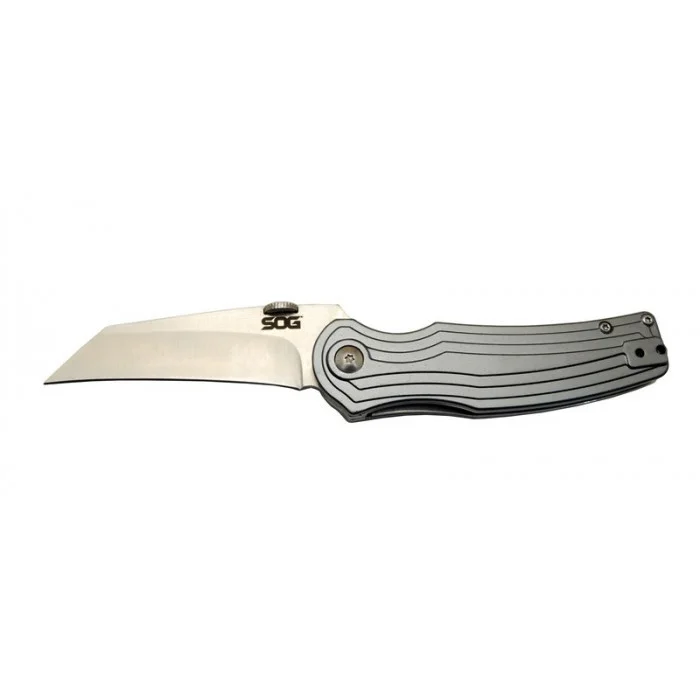
Versatility for General Use: Sog Pinkerton Folding Knife
For those seeking both robustness and versatility in their woodworking projects, the Sog Pinkerton Folding Knife could be an ideal choice. Measuring 18 cm, this high-carbon steel folder can be used for a wide range of tasks, from general cutting to detailed carving. Sog's reputation for quality and experience assures you of this knife's sharpness and durability. Its ergonomic handle and balanced design offer comfort even during extended use. Furthermore, it performs excellently in various scenarios like hunting, camping, and everyday carry (EDC), making it a true multi-purpose tool.
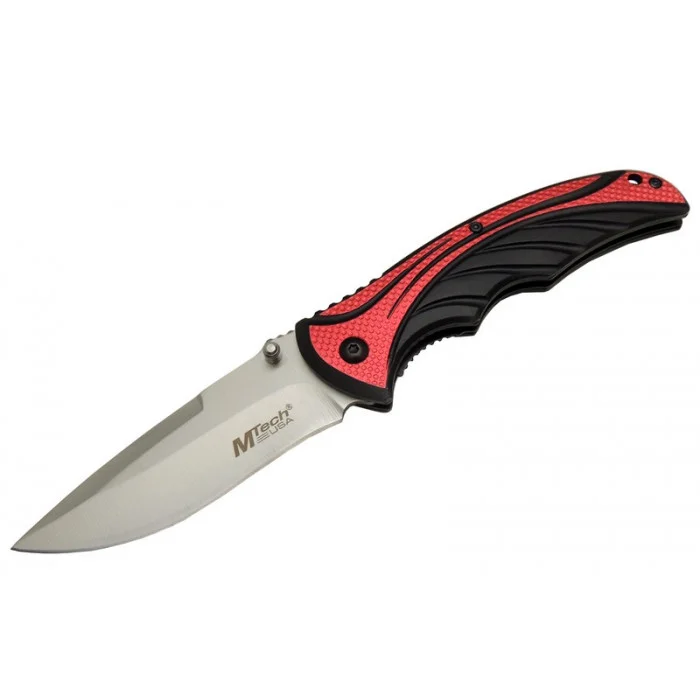
Quick Access and Professional Tasks: Mtech Red Folding Knife
For those in professional woodworking environments or needing a quick and reliable tool in emergencies, the Mtech Folding Knife Red 20 CM stands out with its striking design and durable construction. Its red color makes it easily noticeable in a workshop or in nature, which is a great advantage in time-critical situations. The durable steel body and ergonomic grip, combined with a mechanism that allows for comfortable one-handed opening and closing, offer comfort and efficiency even with prolonged use. Its 20 cm length is suitable for a variety of tasks, from fine work to broader cuts.
Maintenance and Cleaning of Woodworking Blades
Regular maintenance and cleaning are essential to extend the performance and lifespan of your blades. After woodworking, resin and sawdust can accumulate on the blade surface. These residues can reduce the blade's sharpness and lead to rust. Here are some basic maintenance tips:
- Cleaning: After each use, wipe your blade with a damp cloth and dry it completely. Oiling is especially important for carbon steel blades to prevent rust. You can refer to our Carbon Steel Care guide.
- Sharpening: Regularly sharpen your blades to maintain their edge. A dull blade is more dangerous than a sharp one and makes your work harder. Mastering Pocket Knife Sharpening Techniques will be beneficial.
- Lubrication: Especially for folding knives with pivot mechanisms, regular lubrication is necessary to ensure smooth operation.
- Storage: Store your blades in safe, appropriate sheaths, away from moisture.
Remember, a well-maintained blade not only performs better but also offers safer use and will accompany you for many years.
Frequently Asked Questions
Which type of steel is better for wood carving?
High-carbon steels are generally preferred for wood carving. These steels retain their sharpness for a long time and can be easily sharpened. Alloy steels like M390 also offer superior sharpness and durability.
Why is the axe handle important?
The axe handle is critically important for user comfort, safety, and shock absorption. An ergonomic and non-slip handle (e.g., Fibrox) reduces hand fatigue during extended use and increases safety by preventing the axe from slipping out of your hand.
Why should the pivot screw of folding knives be cleaned?
The pivot screw and mechanism of folding knives can become clogged with sawdust, dirt, and resin. This can make it difficult to open and close the blade, lead to wear on the mechanism, and reduce its performance. Regular cleaning and lubrication ensure the smooth operation of the folding knife.
Related Products
Other
M390 Damascus Çakı – Ultra Keskin, Hafif ve Dayanıklı Çakı
1.028₺
Other
Mtech Çakı Kırmızı 20 CM Profesyonel Çekici Çakı – Dayanıklı Çelik ve Ergonomik Tutuş
890₺
SOG
Sog Pinkerton Çakı – 18 cm Çelik Çakı, Av, Kamp ve EDC Kullanımına Uygun
1.488₺
Yerli Malı
Atasan 29 CM 7MM 3260 Karbon Çelik Kapm Baltası – Profesyonel Kesim Aksesuarı
775₺
Comments (0)
No comments yet. Be the first to comment!