
Survival Edge: Choosing the Right Knife for Disaster Preparedness
Why is Choosing the Right Knife for Disaster Situations Critical?
Natural disasters and unexpected emergencies are realities that can become part of our lives. In such times, one of the most crucial elements for increasing our chances of survival is having the right gear. A knife, in particular, is a versatile tool that can be used for countless functions like cutting, piercing, carving, and digging – almost as multi-faceted as a Swiss Army knife. Making the right knife selection during disaster situations is not just a preference, but a vital necessity. So, what should we consider when choosing these critical tools?
Every item we carry during a disaster holds significant importance in terms of its weight, size, and functionality. A knife can be used for a wide range of tasks, from building shelters and preparing food to opening first-aid supplies and defending yourself in dangerous situations. Therefore, instead of a common kitchen knife or hobby folder, it would be wise to opt for a reliable and ergonomic model that can withstand these harsh conditions. Especially for those preparing a Bug Out Bag, a knife is an absolute must-have.
Key Features to Consider When Choosing a Disaster Knife
When selecting a knife for disasters, it's essential to focus on functionality and durability rather than aesthetics. Here are some critical features to keep in mind:
1. Blade Type: Fixed Blade or Folder?
- Fixed Blade Knives: Generally more durable and reliable because they have no moving parts. They are suitable for heavier tasks, and the risk of breakage is lower. However, they are harder to carry and conceal.
- Folding Knives (Folders): More compact and portable. Ideal for everyday carry (EDC). However, their locking mechanisms can fail or wear out with intensive use. For disaster situations, full-sized folding knives with robust locking mechanisms should be preferred.
2. Steel Quality and Blade Geometry
The steel of the blade determines how long it retains its sharpness, its resistance to rust, and its overall durability. Carbon steels hold an edge longer, while stainless steels are more resistant to moisture. In disaster conditions, both types have their advantages. Blade geometry (tip) is also important. Versatile blade shapes like drop point or clip point are suitable for both cutting and piercing tasks.
3. Handle Material and Ergonomics
The knife's handle should provide a secure grip even in wet or slippery conditions. Materials like G10, micarta, rubber, or textured polymers offer excellent grip. An ergonomic handle reduces hand fatigue during prolonged use and enhances control. Additionally, extra features at the handle's end, such as a glass breaker or lanyard hole, can be beneficial in emergencies.
4. Size and Weight
While a very large knife can be difficult to carry, a very small one might be inadequate for heavy-duty tasks. The ideal disaster knife should be both sufficiently large and easily portable. Generally, blades with a length of 10-15 cm offer a good balance for most disaster scenarios.
Top Knife Models for Disaster Preparedness
There are many quality knives specifically designed for disaster and survival scenarios on the market. Here are some prominent, robust, and reliable models:
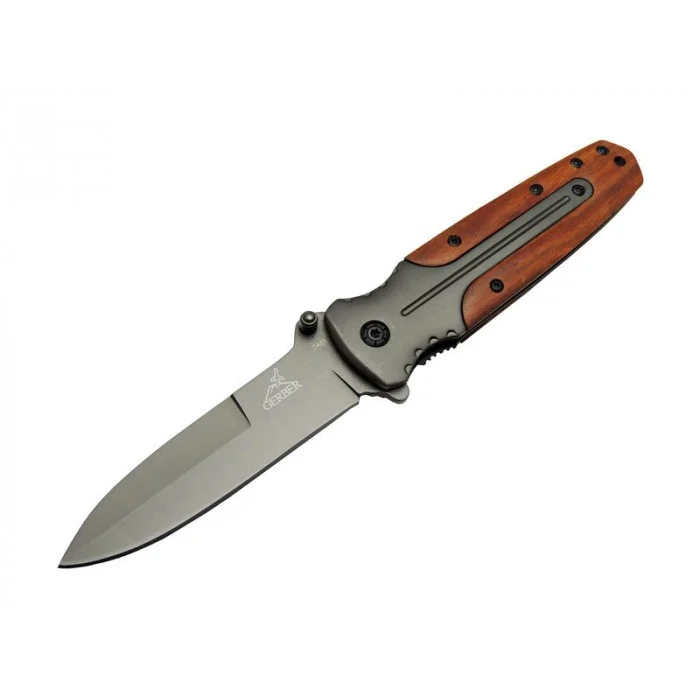
Robust Choice for Professional Use: Gerber Hunting Knife
Gerber is a well-established brand in outdoor gear. This model boasts a sturdy construction that you can safely rely on in harsh outdoor conditions and disaster scenarios. With a length of 21 cm, it offers ample cutting power and is easily portable due to its compact design. Its ergonomic grip minimizes hand fatigue even during prolonged use. The high-strength steel body is designed to tackle the toughest tasks.
This folder, with its general-purpose design, will be by your side for essential needs like cutting and carving. It is also an ideal choice for those looking for camp knives or hunting knives.
Stylish and Functional: Columbia Skeleton Folder Red
Columbia's model, while aesthetically striking, is a robust folder that won't let you down in disaster situations. Its 20 cm steel blade maintains its sharpness for a long time. One of its most important features is its lightweight and sturdy body, manufactured to Columbia's high-quality material standards. The ergonomic design and non-slip grip surface ensure a secure hold even with wet or oily hands. Its striking red color can make it easily noticeable, especially if dropped or lost.
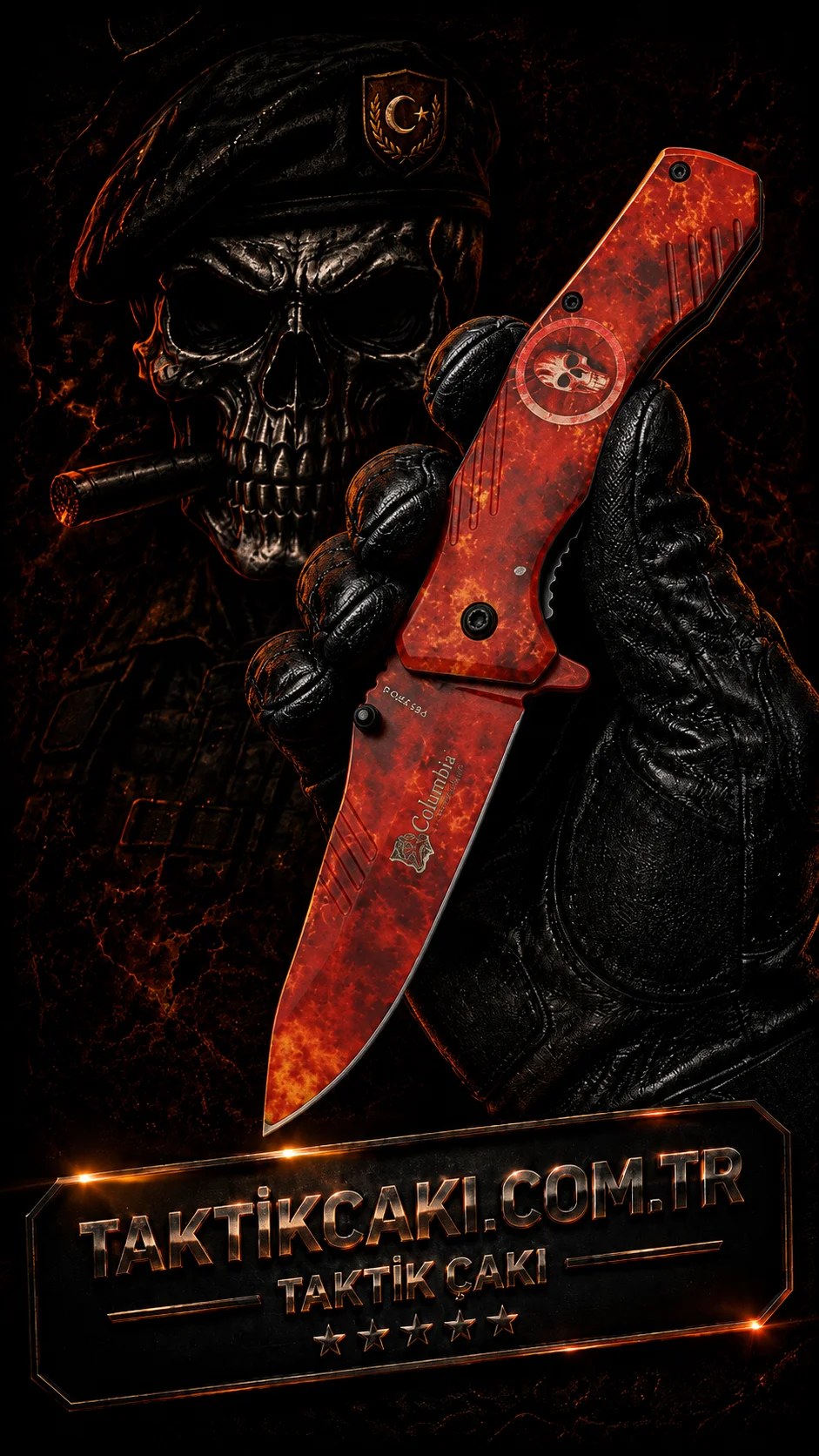
This model is designed for both everyday carry (EDC) and as part of a disaster kit. It's a stylish and functional alternative that can be considered in the EDC (Everyday Carry) category.
Glow-in-the-Dark Solution for Night Vision: Haps Bugs Phosphorescent Hunting Knife
In disaster situations, power outages or dark environments are inevitable. Haps Bugs' phosphorescent hunting knife offers a unique advantage for such scenarios. Its compact 21 cm size and ergonomic grip ensure ease of use, while its glow-in-the-dark tip makes it easily locatable and safe to use even in darkness. This feature is critically important, especially for night-time rescue operations, shelter construction, or other emergency tasks.
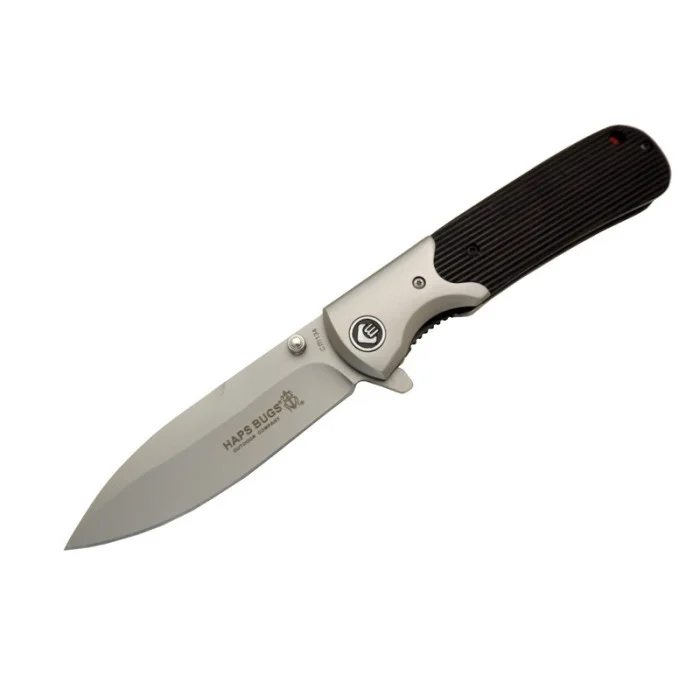
This folder is also an excellent option for camping and outdoor activities. Visibility in the dark is a significant safety advantage.
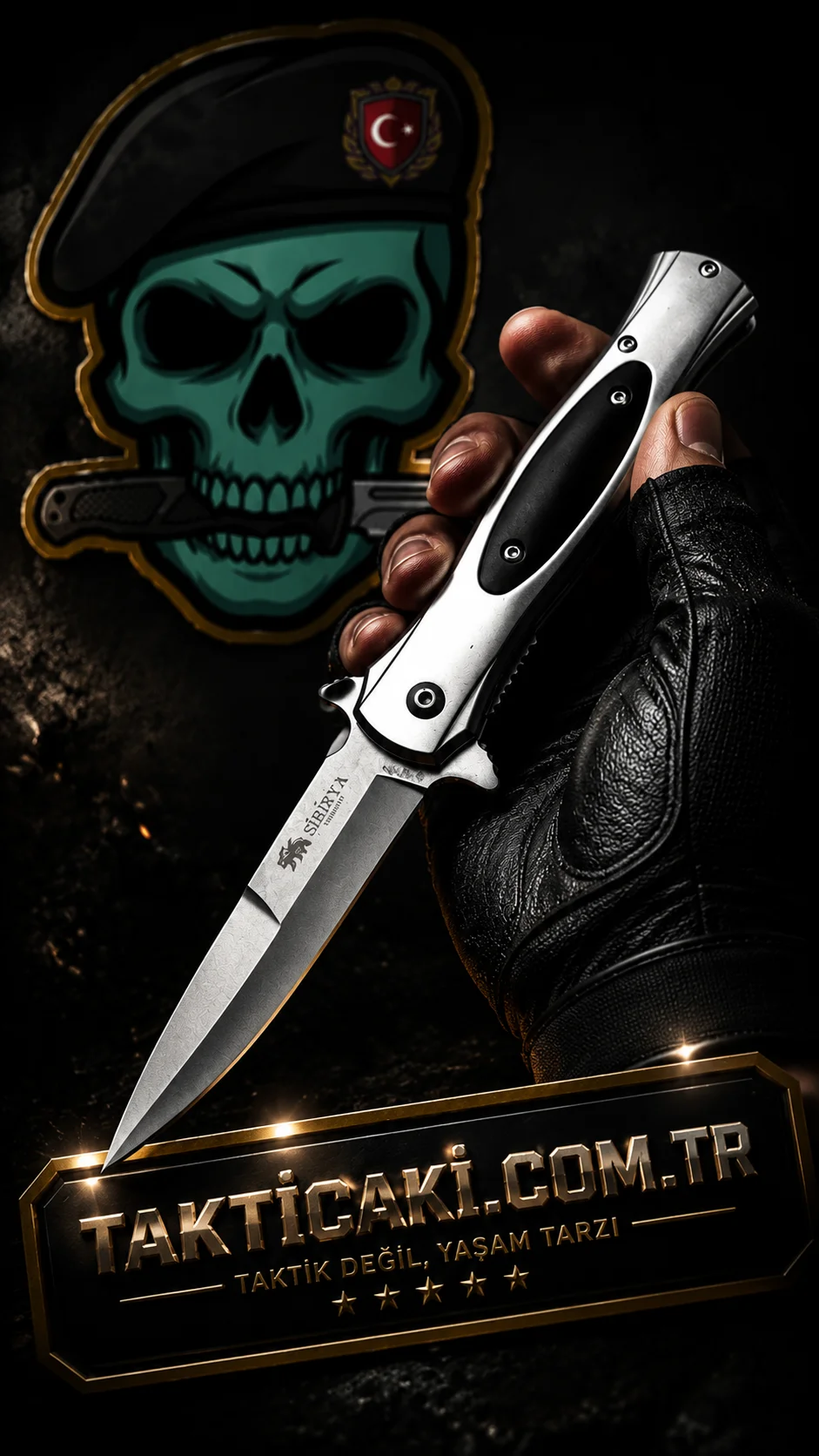
Colorful Option for Everyday Carry and Emergencies: Siberia Colored Pocket Knife
The Siberia Colored Pocket Knife is a stylish and practical solution suitable for daily use as well as mild disaster scenarios. Its 20 cm length and lightweight design make it easy to carry in your pocket. The ergonomic wooden or plastic handle provides a non-slip surface and balanced weight distribution for comfortable use. The sharp and durable steel blade ensures reliable performance for various cutting tasks. Its colorful design reflects your personal style while also making your knife easily noticeable.
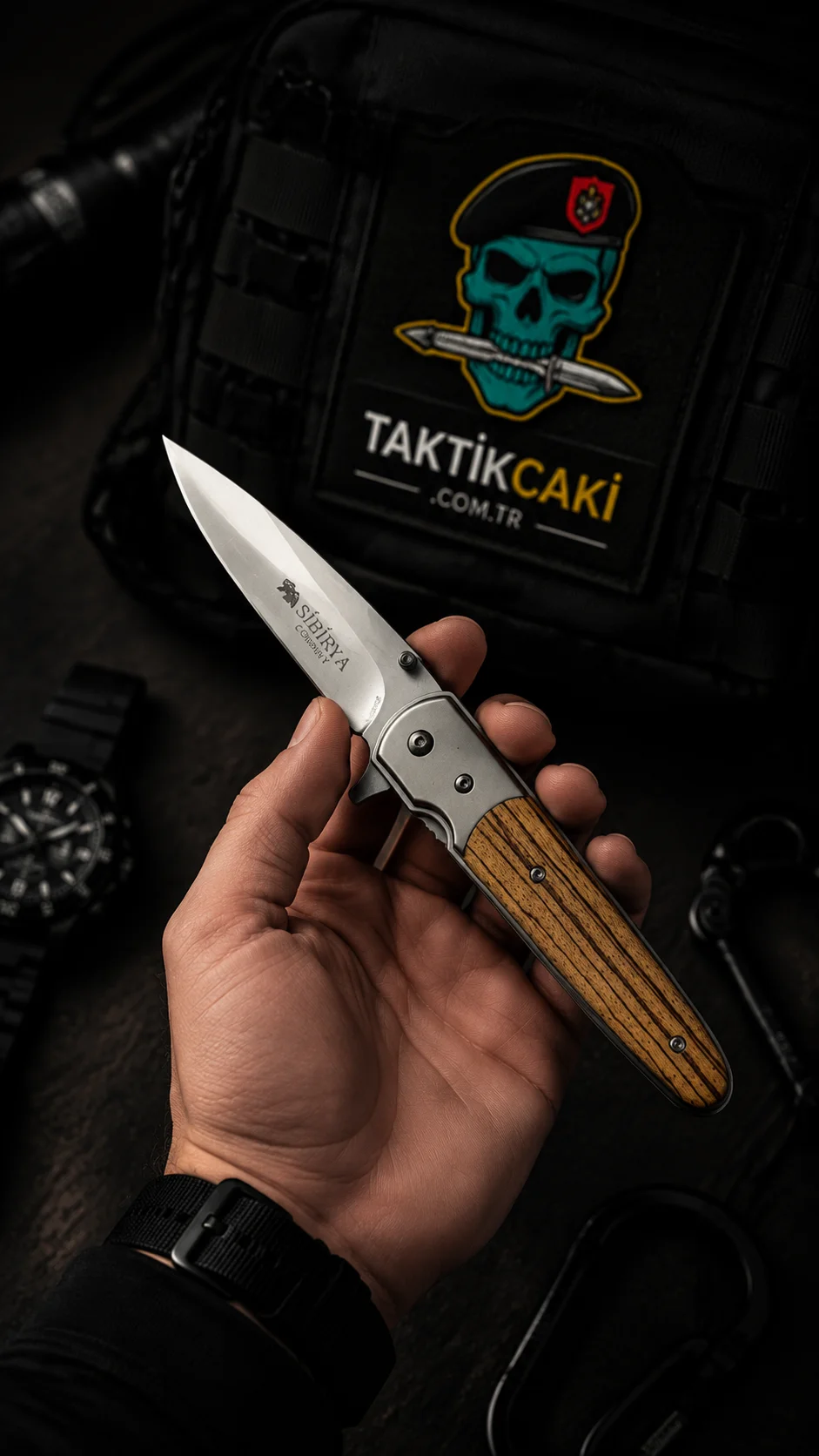
Among knife types, this folder offers both functionality and aesthetics, making it an ideal choice, especially for urban EDC or light outdoor activities.
How to Keep Your Disaster Knife Ready?
Having the best knife means nothing if it's not maintained or stored correctly. To ensure your disaster knife is always ready for use:
- Regular Maintenance: Keep your knife clean, protect it from moisture, and oil it regularly. Even stainless steel blades can rust if exposed to moisture for prolonged periods. Check out our guides on knife maintenance and steel oiling and rust prevention.
- Keep it Sharp: A sharp knife is a safe knife. Working with a dull knife requires more force and increases the risk of accidents. Sharpen it regularly. Learn about knife sharpening techniques.
- Proper Storage: Always keep your knife in a secure sheath or cover. Ensure it's easily accessible in your emergency kit.
- Training: Learn how to use your knife safely and effectively. Combined with basic survival skills, your knife can be a true lifesaver.
Remember, disasters don't wait. The right knife selection and regular preparation are among the most important steps you can take for the safety of yourself and your loved ones.
Frequently Asked Questions
Can I carry my disaster knife in daily life?
Considering knife carrying laws and regulations in your country, you can carry a folding knife of legal size and type daily. However, carrying fixed-blade knives or knives with certain features openly might be prohibited. Keeping it in your emergency bag or in-car emergency kit usually doesn't pose a problem.
Which steel type is better for a disaster knife: carbon steel or stainless steel?
Both steel types have advantages. Carbon steels generally get sharper and hold their edge longer but are more prone to rust. Stainless steels, on the other hand, are more resistant to corrosion but may not retain their sharpness as long as carbon steels. Since you might encounter both conditions in disaster situations, you can choose based on your personal preference and how often you can perform maintenance. For a good balance, a quality stainless steel alloy or a coated carbon steel can be preferred.
Why is ergonomics so important when choosing a knife?
In disaster situations, you might need to use your knife for extended periods and under harsh conditions. An ergonomic handle reduces hand fatigue, allowing you to use the knife more safely and controllably. Textured and grippy handle materials that prevent slipping even with wet, muddy, or bloody hands minimize the risk of accidents. Therefore, how well the knife fits your hand and provides a secure grip is as important as its functionality.
Comments (0)
No comments yet. Be the first to comment!