
Choosing the Best Survival Knife: Edge Angles for Marine & Professional Use
Your Guide to the Best Knives for Marine and Professional Use
In demanding and dynamic environments like maritime settings or various professional fields, a knife must not only be sharp but also excel in durability, functionality, and reliability. For a sailor cutting ropes, a fisherman mending nets, or a professional quickly opening a package, the right knife type and especially choosing the best survival knife is of vital importance for daily tasks. In this guide, we will delve into the effects of edge angles on knife performance and how to select the ideal knife tailored to your professional needs.
A knife's edge angle is a critical factor that directly influences its sharpness, durability, and suitability for specific tasks. An incorrect edge angle can lead to the blade dulling quickly, getting damaged, or failing to deliver the desired performance. Especially in humid and corrosive marine environments, the combination of steel quality and edge angle becomes even more crucial.
The Importance of Edge Angles in Professional Knives
Knife edge angles typically come in different geometries, such as single-sided (chisel grind) or double-sided (V-grind). Each geometry and angle has its advantages and disadvantages depending on the knife's intended use. For instance, a very acute angle (15-20 degrees) makes the blade extremely sharp but also more vulnerable to impact and rough use. A wider angle (25-30 degrees) provides a more durable edge but slightly reduces sharpness. In professional use, balancing both sharpness and durability is essential.
Ideal Edge Angles and Steel Selection for Seafarers
For seafarers, one of the most critical features of a knife is its corrosion resistance. Saltwater can be corrosive even to stainless steel over time. Therefore, high-carbon stainless steels or special alloys should be preferred. As for the edge angle, an angle of 20-25 degrees is often ideal for cutting ropes, mending nets, and general marine tasks. This range provides both sufficient sharpness and allows the edge to withstand heavy use.
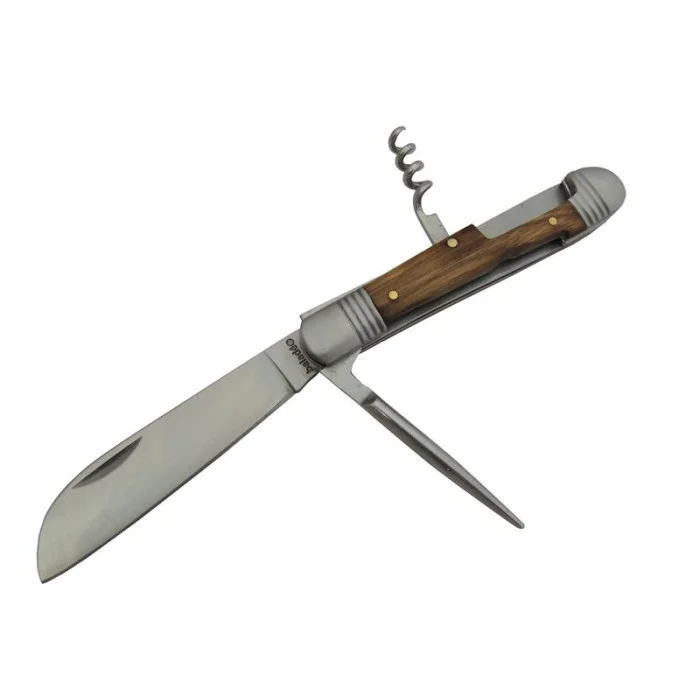
If you are looking for a mariner's knife, models like the Balede Knife with Corkscrew offer both functionality and durability. With its stainless steel construction and ergonomic design, it's a reliable option for use in marine environments.
This knife, with its 18 cm high-quality stainless steel blade, defies harsh conditions at sea. The corkscrew design ensures quick and safe blade deployment, while its non-locking mechanism allows for immediate access in emergencies. Its ergonomic grip minimizes hand fatigue even during prolonged use. Offering a wide range of uses from shipboard emergencies to preparing camping gear, this model is indispensable for professional seafarers and outdoor enthusiasts.
Knife and Accessory Choices for General Professional Use
Another essential piece of equipment you won't want to be without during your daily professional tasks or outdoor activities is a reliable fire starter. Especially in unexpected situations or a camping environment, starting a fire can be vital. A lightweight and durable accessory like the Hultafors Magnesium Rod is a practical solution you can carry alongside your knife.
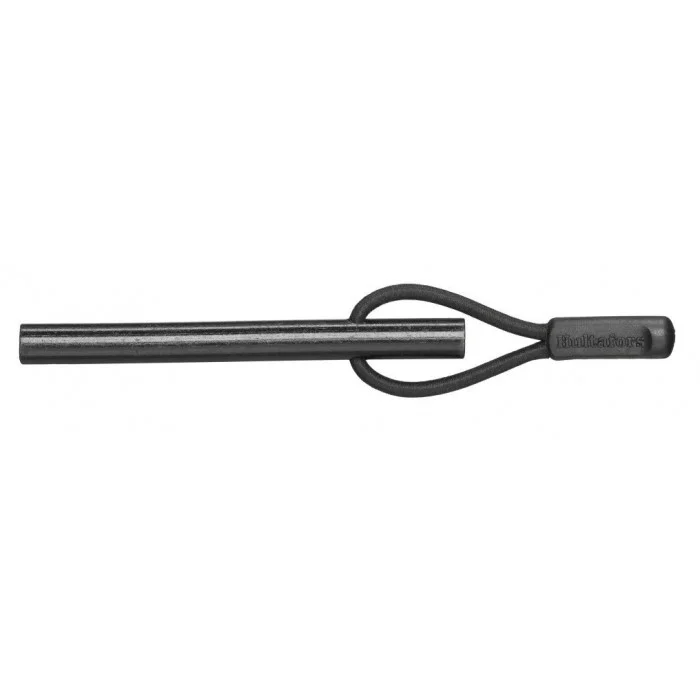
The Hultafors Magnesium Rod is 10 cm long and 1 cm in diameter, made from magnesium alloy. Its high strength-to-weight ratio makes it easy to carry. The slim profile and smooth surface provide a firm grip, maintaining comfort even during extended use. This rod is a strong candidate to become an indispensable part of your camping gear, office supplies, or sports equipment. Especially when used with your knife, it's an excellent aid for fundamental survival skills like starting a fire in nature.
Best All-Purpose Knife Models for Versatile Use
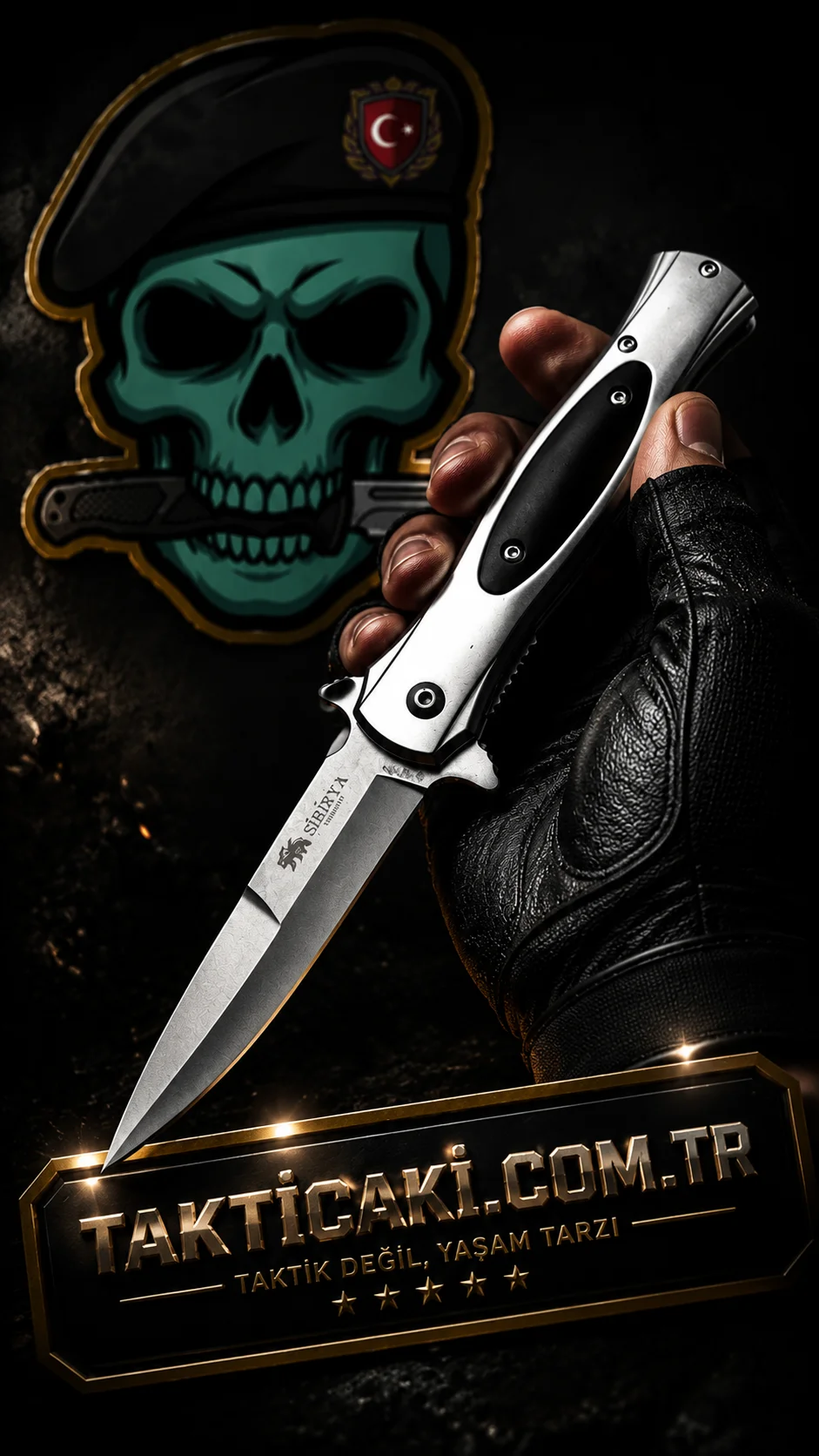
Those looking for a versatile knife for different professional fields or general outdoor activities should opt for models that can maintain their sharpness and durability for a long time. The Spyd Sbry Knife Ornc is an example designed for such needs, offering a balanced sharpness and robustness.
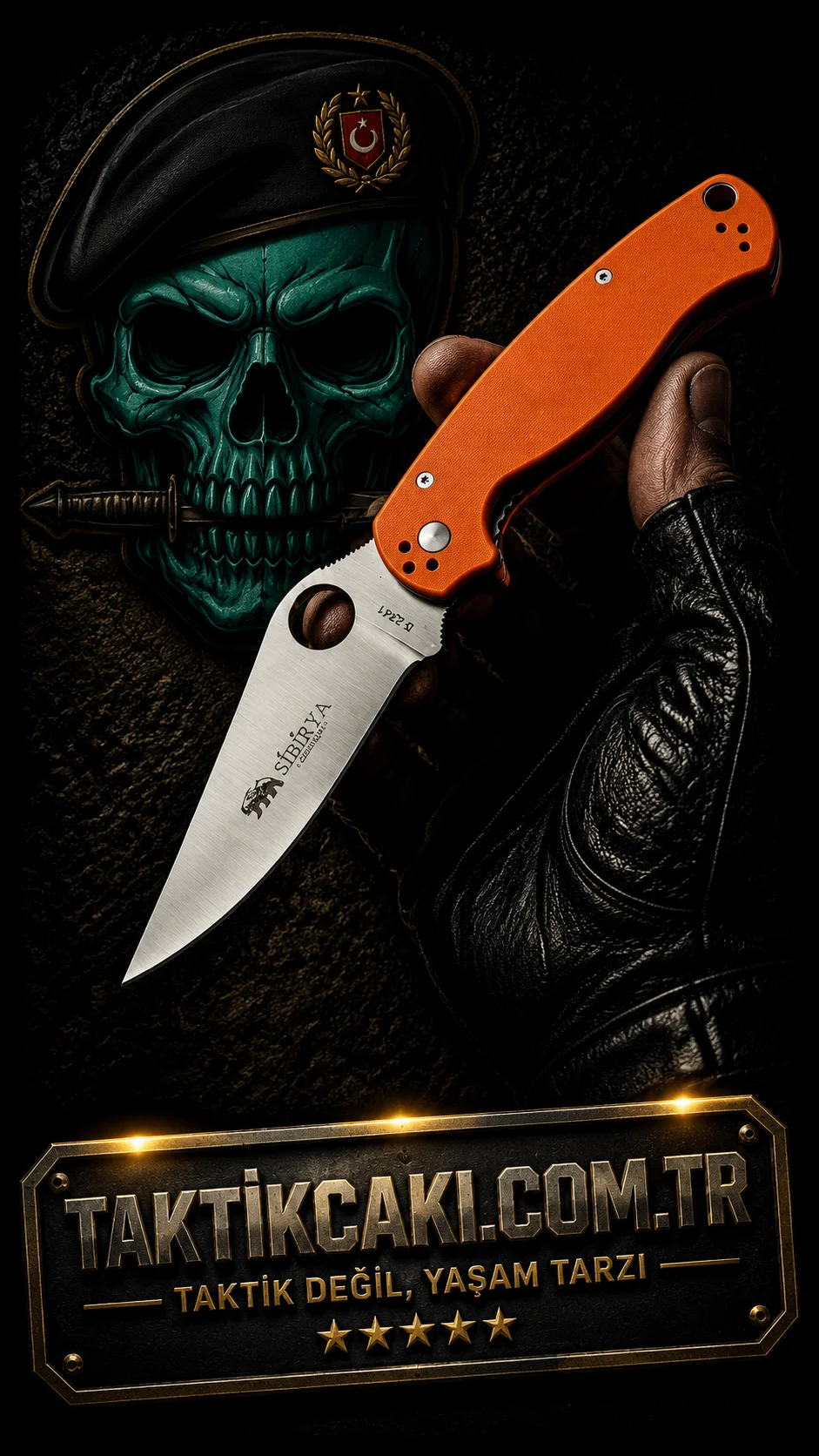
The Spyd Sbry Knife Ornc, with its 21.5 cm length, boasts both a compact and powerful structure. Its blade, made from high-quality steel, stands out with long-lasting sharpness and high durability. The ergonomic grip provides a comfortable balance in your hand, maintaining comfort even during prolonged use. Its lightweight design minimizes the feeling of weight during carrying, while its sturdy construction makes it a reliable helper for your daily needs. With its modern design and easy opening mechanism, the Spyd Sbry combines both functionality and aesthetics.
For those seeking a more economical yet still reliable alternative, models like the Metal Fishbone Knife can also be considered. Such knives offer sufficient performance for basic cutting tasks while being a budget-friendly option.
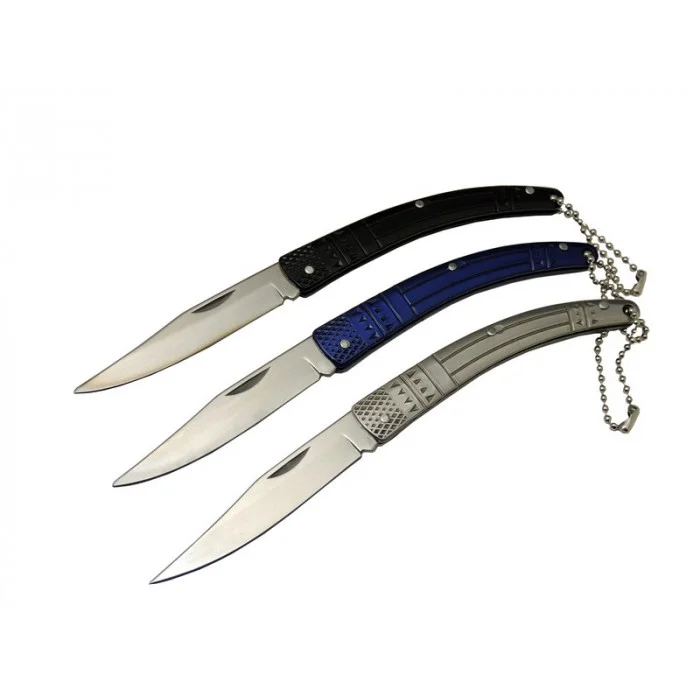
The Metal Fishbone Knife features a compact 16 cm design, ideal for daily use and outdoor activities. Its body, made from high-quality steel, offers long-lasting durability and sharpness. The ergonomic grip area provides a comfortable hold for a pleasant experience even during extended use. It can be easily used with its quick and secure opening mechanism. Thanks to its thin blade edge, it can easily cut various materials. Its lightweight structure does not add extra burden during carrying, making it a suitable option for EDC (Everyday Carry).
Knife Maintenance and Edge Angle Preservation
Even the best survival knife will lose its performance without regular maintenance. Using the correct sharpening techniques and equipment is crucial for preserving the edge angle and keeping the blade sharp. Learning about knife sharpening techniques will extend your knife's life and ensure it always performs at its peak. Especially for knives used in corrosive environments like saltwater, rinsing with fresh water, drying, and regularly oiling after each use will prevent rust. For more information on this topic, you can refer to our guide on steel oiling and rust prevention.
Frequently Asked Questions
What should be the edge angle of a professional knife?
The edge angle of a professional knife varies depending on its intended use. For a balance of general cutting and durability, 20-25 degrees is ideal. For tasks requiring extreme sharpness, it can be reduced to 15-20 degrees, but this may decrease the blade's durability. For heavy-duty tasks, 25-30 degrees might be more suitable.
Will a stainless steel knife rust in saltwater?
Even high-quality stainless steels can rust if exposed to saltwater for extended periods or if not regularly maintained. For knives used in marine environments, especially high corrosion-resistant steel types like H1 or LC200N should be preferred, and they should be cleaned with fresh water and dried after each use.
How can I tell if a knife is sharp?
The simplest way to check a knife's sharpness is the paper cutting test. If the blade cuts a piece of paper smoothly without snagging, it is quite sharp. You can also inspect the blade's edge under light to check for any dullness or damage; a sharp blade edge will not reflect light.
Comments (0)
No comments yet. Be the first to comment!