
Mastering Campfire Knife Selection: Your Ultimate Guide to Bushcraft & Survival Blades

Campfire Knife Selection: A Life-Saving Decision in the Wild
For those who love spending time in nature, building a campfire is more than just a need for warmth or cooking; it's a ritual. The right gear selection is crucial for this ritual to unfold smoothly and safely. A tactical knife, in particular, can play a life-saving role in many scenarios, from campfire preparation to emergency situations. So, how do you make the best campfire knife selection for you? In this guide, we'll delve into how a knife can become an extension of yourself in the wild, beyond just being a sharp tool, and how the right choices can enhance your camping experience.
When choosing a camp knife, the first thing to consider is its versatility. It should be capable of handling a wide range of tasks, from whittling wood and cutting rope to performing minor repairs. Durability, sharpness, and an ergonomic grip form the foundation of this versatility. Additionally, the knife's ease of carry and maintenance requirements should also be taken into account.
Why a Dedicated Campfire Knife is Essential
A standard kitchen knife or an ordinary pocket knife is usually not suitable for the harsh conditions of a camping environment. When preparing wood for a campfire, using a ferro rod, or building a shelter in an emergency, your knife shouldn't let you down. A good campfire knife has features specifically designed for these types of tasks.
- Durable Steel: High-carbon or quality stainless steels should be preferred for tough cutting and carving tasks. These steels retain their sharpness longer and are more resistant to impact.
- Full Tang Construction: This means the knife's handle is a continuous, single piece with the blade. This provides incredible strength and balance to the knife, minimizing the risk of breakage during heavy-duty work.
- Ergonomic Handle: It should provide a secure and comfortable grip, even with wet, muddy, or cold hands. Non-slip materials and finger grooves are critically important in this regard.
- Fire Starting Features: Some tactical knives come with an integrated fire starter (ferro rod) in the handle or sheath. This feature can be life-saving in emergencies.
Ideal Campfire Knife Features and Usage Tips
When spending time in nature, your knife is not just a cutting tool, but also a survival instrument. Especially during the campfire starting process, the right knife selection and effective use are crucial for your safety and comfort.
Wood Preparation and Whittling Techniques
Preparing fine kindling and small pieces of wood for a campfire is one of the most basic tasks you'll perform with your knife. For this process, knowing the right techniques is as important as the sharpness of your blade. For instance, bushcraft knives are specifically designed for these types of carving and batoning tasks.
- Batoning: A technique used to split thick wood by striking the spine of the knife with another piece of wood. This is a demanding method that tests the knife's durability and should only be performed safely with full tang knives.
- Feather Stick Making: Use your knife's sharpness to create thin, curled wood shavings that will easily ignite a fire. This can enable you to start a fire even in damp conditions.
When performing these tasks, it's vital to follow basic safety rules, such as wearing gloves and always moving the knife away from your body. This is where a product known for its durability and functionality comes into play:
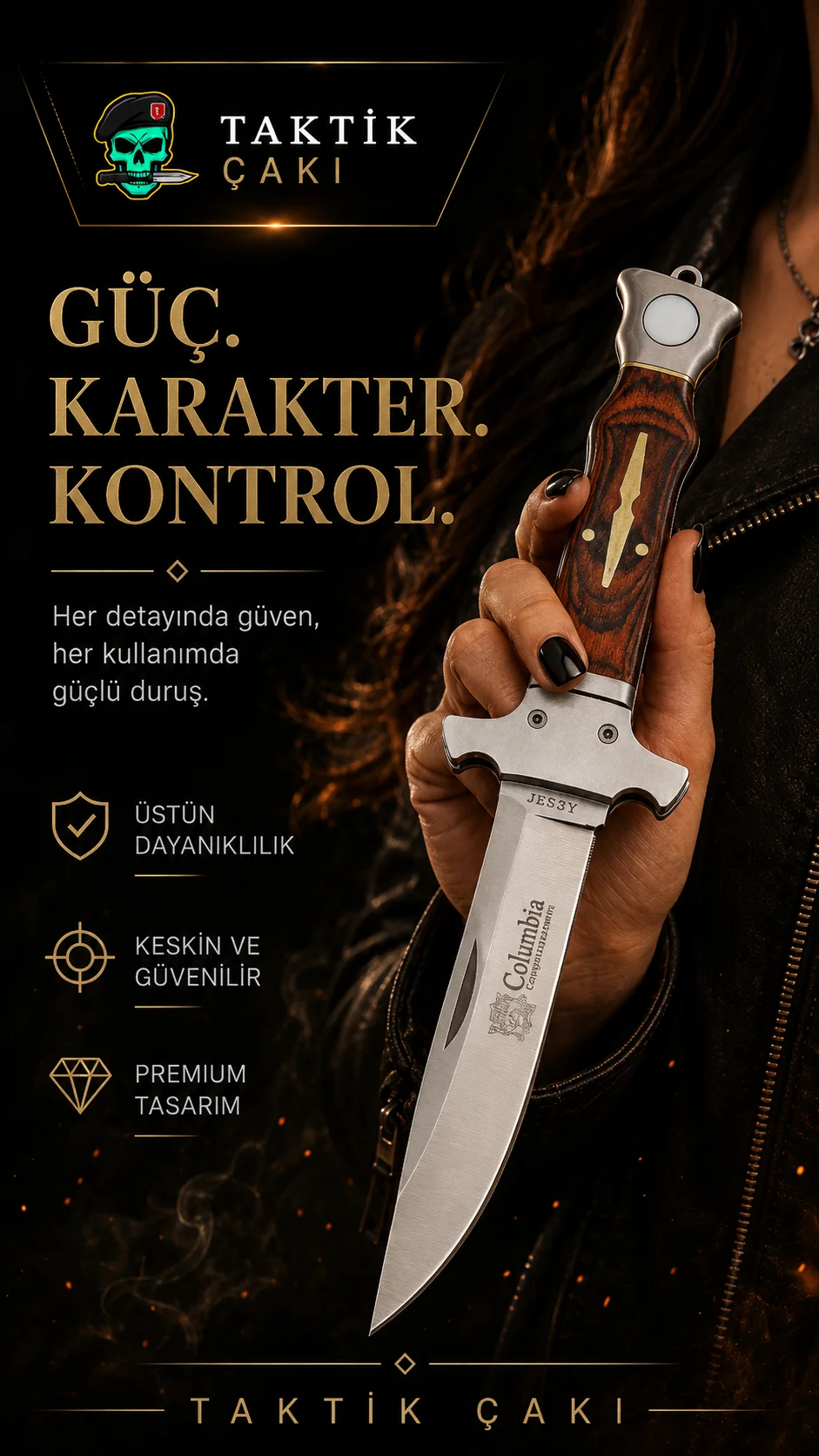
Columbia Baba Forged Knife – 22.5 CM Multifunctional Knife with Leather Sheath is perfectly suited for demanding tasks like campfire preparation. Its robust 22.5 cm forged steel blade provides confidence for batoning and wood carving. Thanks to its ergonomic grip, it won't tire your hand even during prolonged use. The leather sheath offers both stylish carrying and protects your knife from external elements. This knife is not just a cutting tool, but a reliable companion that will accompany you in nature.
Fire Starting and Safety
Modern tactical knives not only cut but are also equipped with fire-starting capabilities. Some models come with an integrated ferro rod or magnesium rod. You can easily create sparks by scraping the spine of your knife against these rods and ignite a fire.
- Using a Ferro Rod: By firmly scraping the non-sharp spine of your knife against a ferro rod, you can generate high-temperature sparks. Drop these sparks onto easily ignitable materials like feather sticks or dry grass to start your fire.
- Safe Storage: Always carry your knife in its sheath and store it out of reach of children. When working in a camp area, put your knife back in its sheath when not in use.
For those looking for a knife with these features, models with flashlights offer an extra advantage:
Columbia Camp Knife with Flashlight Brv. 21.5 CM – Multifunctional Knife and LED Flashlight is ideal for those seeking both functionality and additional features when making their campfire knife selection. Its 21.5 cm blade is suitable for wood preparation, and its integrated lightweight magnesium rod allows you to easily start a fire. Additionally, the built-in LED flashlight provides an extra light source when working in the dark or navigating the camp area. Its non-slip ergonomic handle ensures a secure grip in all conditions. This knife is a versatile helper in your outdoor adventures.
Knife Maintenance and Long-Lasting Use
A knife's performance and lifespan are directly linked to proper maintenance. Knives used in outdoor conditions, in particular, require regular care.
- Cleaning: Clean your knife after every use. If it has sap or dirt, clean it with warm soapy water and a brush, then dry it thoroughly.
- Lubrication: Even stainless steel blades and hinge mechanisms should be regularly lubricated with special knife oils. This prevents rust and ensures the knife opens and closes smoothly.
- Sharpening: A sharp knife is a safe knife. A dull knife requires more force, increasing the risk of slipping and injury. Keep your knife sharp by learning about knife sharpening techniques.
Classic models, known for their ease of maintenance and reliability, are also a good alternative for campfire knife selection:
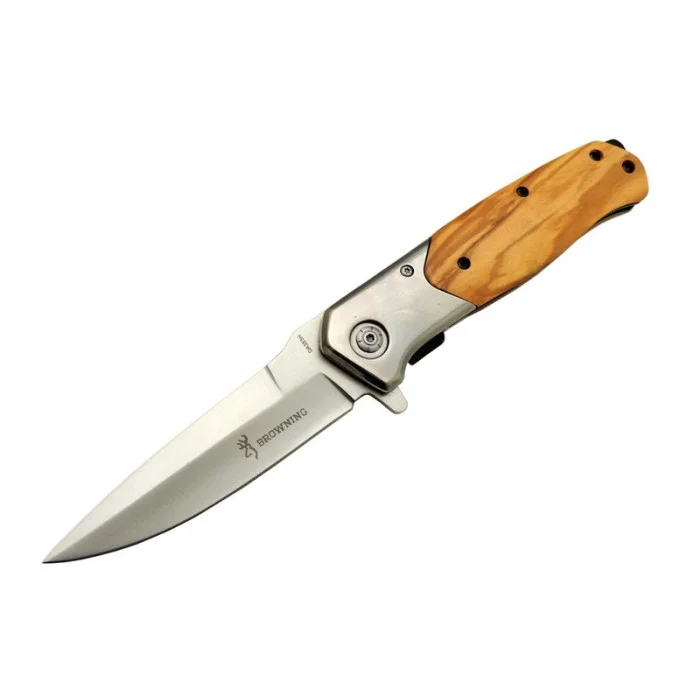
Browning Beechwood Knife Premium Knife for Hunting and Camping combines natural aesthetics with functionality. Its beechwood handle provides a comfortable grip and a classic look. The stainless steel blade is resistant to corrosion and, with regular maintenance, will retain its sharpness for many years. Ideal for hunting, camping, and general outdoor activities, this knife stands out for its simplicity and reliability. Designed to withstand harsh natural conditions, it will assist you in all types of campfire preparations.
Conclusion: Safe and Enjoyable Experiences with the Right Campfire Knife Selection
Campfire knife selection is not just a shopping decision; it's an investment that directly affects the quality and safety of your time in nature. A durable, sharp, and functional knife that suits your needs will simplify the campfire starting process and support you in unexpected situations. Remember, the best knife is the one you know and trust best. Consider the tips in this guide when making your choice and enjoy the wilderness!
Frequently Asked Questions
1. What type of steel should I prefer when buying a campfire knife?
For campfire knives, high-carbon steels or quality stainless steels are generally recommended. High-carbon steels stay sharper longer and are easier to sharpen but are more prone to rust. Stainless steels, on the other hand, are more resistant to corrosion and require less maintenance but can be harder to sharpen. You should choose based on your intended use and how often you plan to maintain it.
2. Why is a full tang knife important?
A full tang knife means that the blade extends as a single piece all the way through the handle. This construction provides exceptional strength and balance to the knife. Especially for heavy-duty tasks like batoning wood, it minimizes the risk of the blade breaking and ensures safe use. Full tang construction is generally the preferred feature for camp and survival knives.
3. How can I maintain my knife's sharpness and how often should I sharpen it?
To maintain your knife's sharpness, it's important to clean and dry it after each use and lubricate it regularly. When the blade starts to dull, you'll need to sharpen it depending on your usage intensity. Generally, it's recommended to sharpen it after every few camping trips or when the knife's performance decreases. You can extend your knife's lifespan by using proper sharpening techniques and a quality sharpening stone.
Comments (0)
No comments yet. Be the first to comment!