
Carbon vs. Stainless: Choosing the Best Folding Knife for Pros
Choosing the Best Folding Knives for Professionals: Carbon Steel vs. Stainless Steel
For professionals, selecting the right folding knife is more than just picking a tool; it's choosing an extension of your craft. Whether you're a lumberjack, a mountaineer, or a mechanic, the performance, durability, and reliability of your blade directly impact the quality of your work. Navigating the vast array of folding knife models on the market requires understanding the advantages and disadvantages of different materials like carbon steel and stainless steel to find your perfect companion.
In this guide, we'll delve into the scenarios where carbon steel and stainless steel knives excel, considering the diverse needs of professional users. Our aim is not just to sell a product, but to empower you with the knowledge to make an informed decision.
Carbon Steel Folding Knives: For Strength and Superior Edge Retention
Carbon steel blades are renowned for their exceptional sharpness and ease of sharpening. With a high carbon content, these steels boast a harder structure, delivering outstanding performance in tough cutting tasks and heavy-duty use. However, their susceptibility to rust necessitates regular maintenance. For professional woodsmen, bushcraft enthusiasts, and hunters, carbon steel is often the top choice.
You'll truly appreciate the superiority of carbon steel in demanding tasks like cutting thick branches, splitting kindling, or field dressing game. Its ability to be easily sharpened ensures your blade is always ready for action, even in challenging outdoor conditions. Nevertheless, it's crucial to remember that carbon steel can quickly rust when exposed to moisture or saltwater. Therefore, if you own a carbon steel folding knife, cleaning and oiling it after every use is vital.
Featured Carbon Steel Folding Knife Models
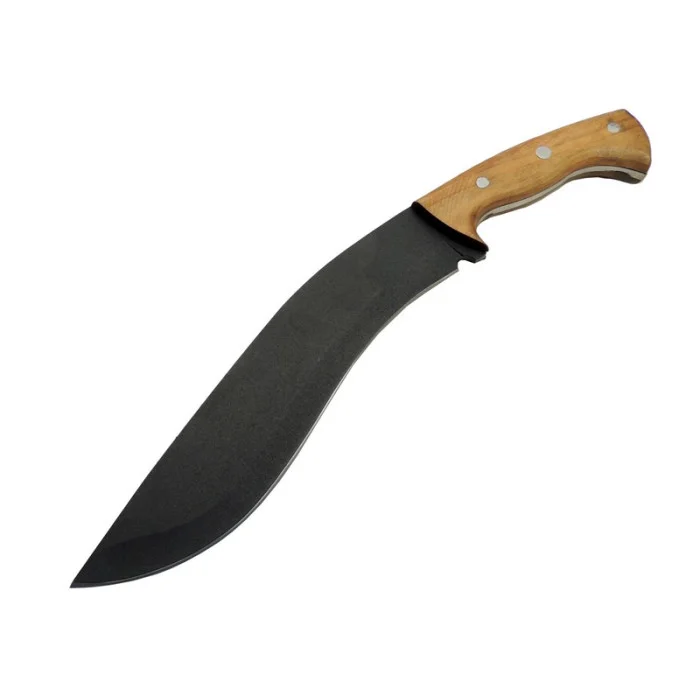
If you're seeking a professional-grade tool designed for strength and durability, the Baytürk 35 CM Kukri Knife might be your ideal match.
This kukri, with its 4.3mm thick 3260 Carbon Steel construction, is an indispensable companion for hunting and camping. Its 35 cm length makes it perfect for both processing large game and clearing paths in the wilderness. The natural root walnut (jungle machete) handle provides an ergonomic grip, minimizing hand fatigue during prolonged use. Its traditional kukri design offers superior chopping power.For those looking for a more compact and versatile carbon steel option, the Vintage Folding Knife Gb is another noteworthy folding knife model.
This 22 cm knife is crafted from high-carbon steel, offering balanced performance. Its lightweight yet robust plastic-coated body and non-slip handle ensure a secure grip even in wet or oily conditions. It's suitable for both fine detail work and more challenging cuts.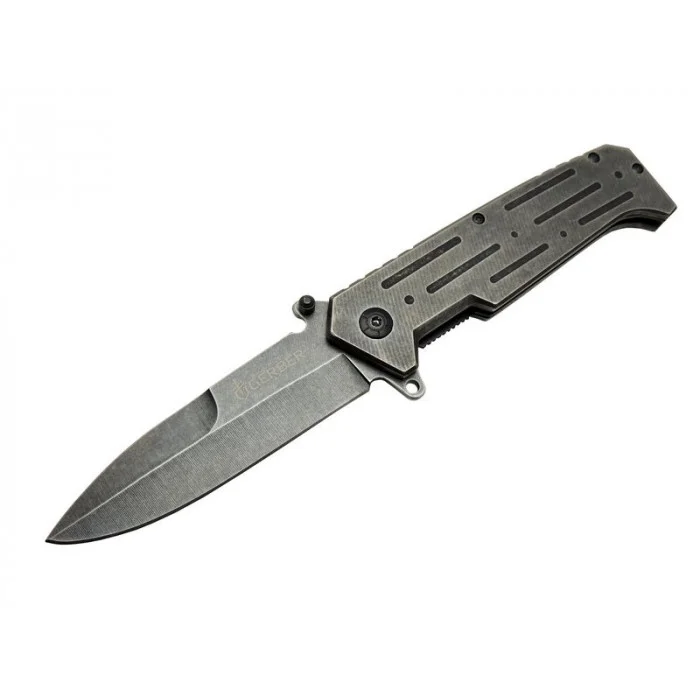
Stainless Steel Folding Knives: For Easy Maintenance and Corrosion Resistance
As their name suggests, stainless steel blades exhibit high resistance to rust. This characteristic makes them ideal for environments where corrosion risk is high, such as marine settings, kitchens, or humid conditions. While stainless steels generally don't achieve the same initial sharpness as carbon steels, modern alloys are steadily closing this gap. Moreover, their lower maintenance requirements are a significant advantage for busy professionals.
For professions where hygiene and corrosion resistance are paramount, such as chemists, fishermen, chefs, or healthcare workers, stainless steel folding knives are the preferred choice. Stainless steel is safer for food contact and can be easily cleaned and sanitized.
Featured Stainless Steel Folding Knife Models
For those seeking a balanced solution for daily carry and outdoor activities, the Columbia Bone Folding Knife is an excellent option.
With its 22 cm sturdy steel blade and lightweight, bone-patterned plastic handle, it's both aesthetic and functional. The high-quality steel blade maintains its sharpness for extended periods, providing reliable performance for tasks like opening packages, pruning flowers, or small repairs. Its ergonomic handle reduces hand fatigue even during prolonged use.
For a more specific and tactical stainless steel knife, the Karambit Folding Knife SW stands out.
This 18 cm karambit features a thin, sharp steel blade made from high-carbon steel, ensuring long-lasting sharpness and durability. Its curved blade and ergonomic grip area offer both an aesthetic and functional experience. Its lightweight and compact design make it ideal for EDC (Everyday Carry).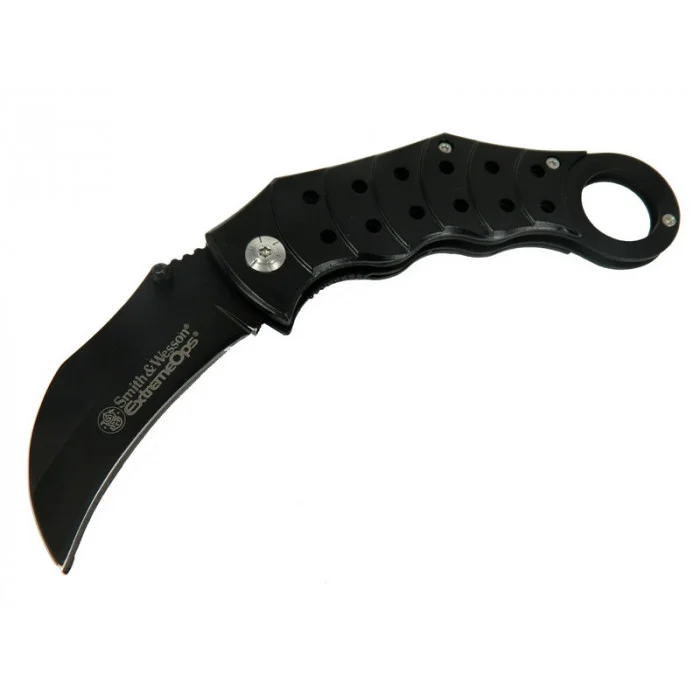
Which Folding Knife Model is Right for You?
The choice between carbon steel and stainless steel ultimately depends on your intended use, working environment, and maintenance habits. If superior sharpness, easy sharpening, and heavy-duty capacity are your priorities, and you don't mind regular maintenance, carbon steel will be more suitable for you. However, if corrosion resistance, hygiene, and low maintenance are more critical, stainless steel folding knives are the right choice.
Remember, both steel types have their unique advantages. The key is to accurately analyze your needs and expectations to select the folding knife model that best suits you. When making this decision, it's also beneficial to consider other factors such as blade size, handle material, locking mechanism, and overall ergonomics. For more information, you can explore our knife steel guide.
Frequently Asked Questions
1. Why do carbon steel knives rust?
Carbon steel, despite being hard and sharp due to its high carbon content, contains fewer rust-preventing elements like chromium. This makes it prone to oxidation and rust when exposed to moisture and oxygen. Regular cleaning and oiling can prevent this.
2. Do stainless steel knives never rust?
While called 'stainless,' these steels are actually 'stain-resistant.' Rust can still occur if they are exposed to moisture or aggressive chemicals for very long periods. However, they possess significantly higher corrosion resistance compared to carbon steel.
3. Why is knife maintenance important for professional use?
Knives used professionally are often subjected to demanding conditions and frequent use. Regular maintenance extends the knife's lifespan, preserves its performance, and ensures safe operation. Maintaining sharpness, in particular, is critical for both work efficiency and safety.
Comments (0)
No comments yet. Be the first to comment!