
How to Make a Spoon and Bowl (Kuksa) in Nature - Outdoor Gear Guide

How to Make a Spoon and Bowl (Kuksa) in Nature
Making a durable and safe spoon and bowl (kuksa) in nature is a fundamental skill for any outdoor gear enthusiast. Crafting kuksa in the wild is ideal for outdoor use and requires the right equipment and knowledge. The pieces you create in nature will provide both functionality and aesthetic pleasure. However, there are many points to consider when making this type of equipment. For durable use in the wild, the importance of durable materials and the correct tools cannot be overstated. Because this equipment will ensure your safety for many years, not just once.
Necessary Equipment for Making a Spoon and Bowl (Kuksa) in Nature
When making a spoon and bowl (kuksa) in nature, the most critical phase is determining which materials and tools to use. Your kuksa, prepared for use in nature, must be both waterproof and durable. Additionally, the portability and lightness of this equipment are significant advantages, especially during hikes. Although these pieces are ideal for durable outdoor use, the quality of the chips and other tools used in their construction must also be high. Otherwise, you may experience unexpected breakage or damage. Therefore, in such projects, it is essential to follow the correct guidelines and use high-quality outdoor gear.
Browning Kevlar Professional Saw and Camp Knife Sharpener
One of the critical pieces of equipment you will use when making a spoon and bowl (kuksa) in nature is your cutting tool. For this process, you need to choose a reliable and high-quality sharpener. Browning Kevlar Professional Saw and Camp Knife Sharpener is a professional solution designed for outdoor activities. The structure reinforced with Kevlar material increases both its lightness and durability, offering long-lasting performance. This feature is a significant advantage in the durable creation of kuksa in nature. The ergonomic design of this sharpener provides a comfortable grip in your hand and reduces fatigue during extended use. Additionally, the sharp cutting edge allows you to create the desired shapes quickly and efficiently. When creating equipment in nature, such high-quality tools speed up your work and enhance your safety.
Why Is Quality Important in Making a Spoon and Bowl (Kuksa) in Nature?
The spoon and bowl (kuksa) you use in nature are constantly exposed to water, moisture, and physical elements. Therefore, the quality of the materials and tools used in their construction directly impacts the lifespan of the equipment. Low-quality chips or cutting tools can increase the risk of unwanted breakage or splintering. Choosing high-quality products as outdoor gear minimizes this risk and extends the usage period. Additionally, the portability of this equipment is also a significant advantage, especially during camping or hiking. The spoon and bowl (kuksa) you want to use durably in nature must have a robust structure, and this is important not only aesthetically but also in terms of functionality.
Most Used Materials in Making a Spoon and Bowl (Kuksa) in Nature
- Hollowed Wood (Spoon Blank): One of the most preferred materials in kuksa making. Its natural texture and durability make it ideal for this craft.
- Chips (Cutting Tool): This equipment, necessary for durable and sharp cutting in nature, can be used on both stone and hollowed wood.
- Twisted Rope or Leather: These materials are important for both aesthetic and durability aspects when making kuksa.
- Natural Adhesives: Natural adhesives can be used for contact points such as the inside of the spoon and bowl. These materials are both safe and nature-friendly.
Steps for Making a Spoon and Bowl (Kuksa) in Nature
- Prepare Your Materials: Gather hollowed wood (spoon blank), chips, and other necessary materials.
- Prepare the Cutting Area: To make a durable kuksa in nature, place a tray on the hollowed wood to mark the desired shape.
- Start Cutting: Carefully and slowly cut the hollowed wood using the chips. Create a more controlled cut with circular movements.
- Shape It: After completing the cut, perform further adjustments to bring the kuksa and bowl to the desired shape.
- Prepare the Inner Surface: Use a natural material to make the inner surface waterproof.
- Final Touches: Polish the kuksa and bowl to enhance their aesthetic appearance and perform final molding processes.
Frequently Asked Questions
What type of chips should I use in nature?
For durable and sharp cutting in nature, high-carbon steel or tool steel chips are recommended. These types of chips increase durability and provide long-lasting use. For more information on different chip types, you can visit our chip varieties article.
What is the ideal material for kuksa making?
Hollowed wood (spoon blank) is ideal for durable use in kuksa making. Thanks to its natural texture and durability, it can be used reliably for many years. Additionally, learning nature-friendly lashing techniques while making kuksa will be beneficial for you.
What tools are needed to make a spoon and bowl (kuksa) in nature?
When making a spoon and bowl (kuksa) in nature, you need at least a cutting tool (chip), a tray (blank), and a portable work surface. Additionally, using coating materials to make the inner surface of the kuksa and bowl waterproof can be helpful. Having high-quality equipment for these projects will make your work easier and increase your safety.
Related Products
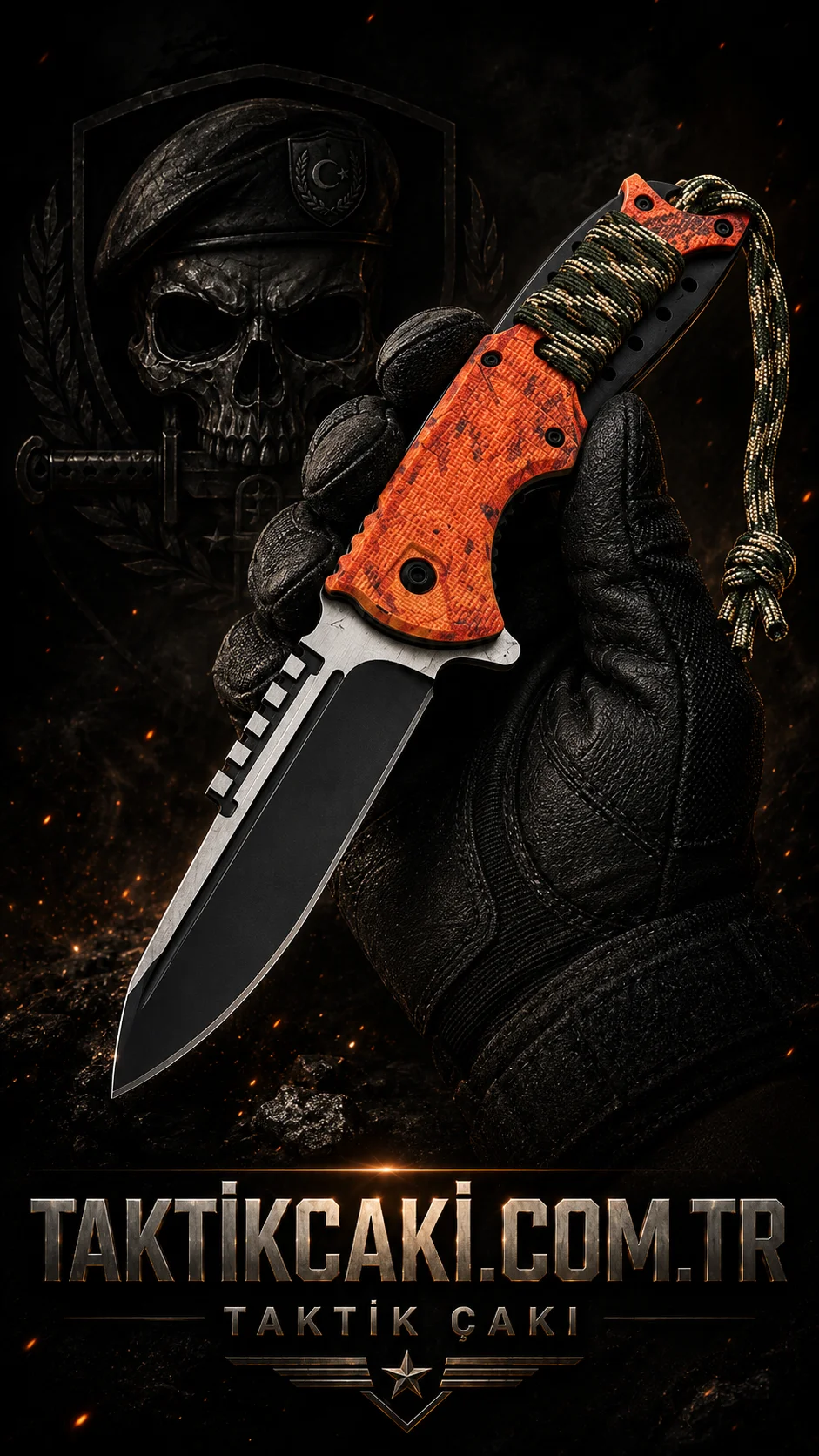
Browning
Browning Kevlar Profesyonel Av ve Kamp Çakısı Ornc
913₺
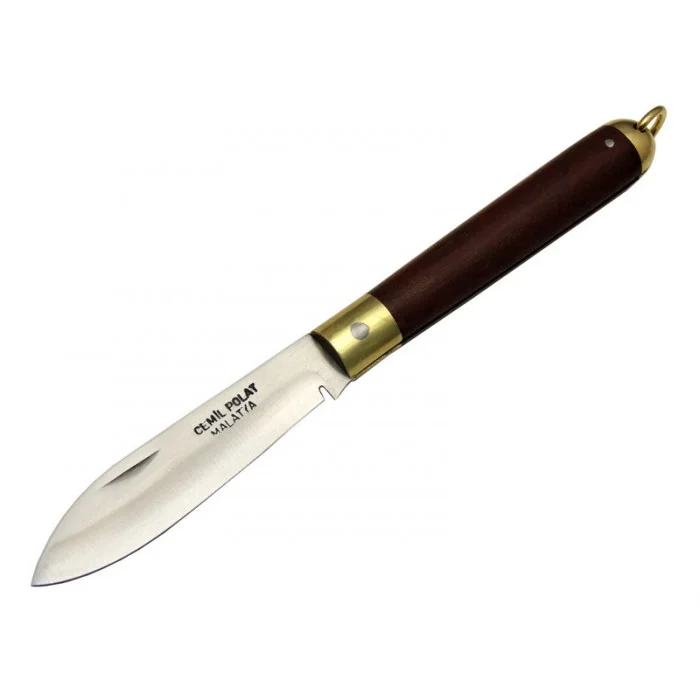
Yerli Malı
Malatya Çakısı Çif Safı B 18 CM – Paslanmaz Çelik, Fiber Saplı Cep Çakısı
1.005₺
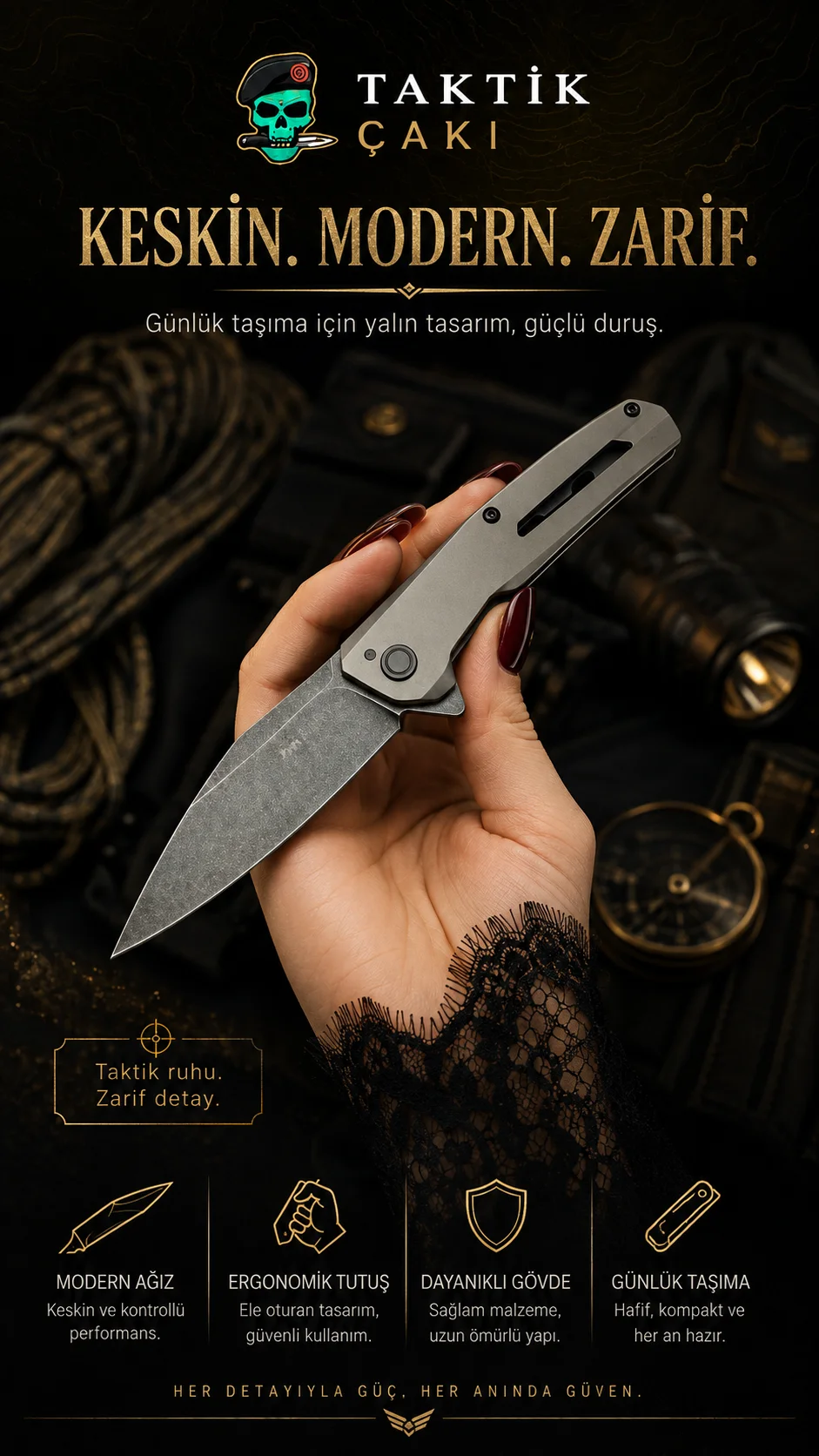
Sibirya
Sibirya Krşv Çakı – Doğa Doğrunun Klasik ve Dayanıklı Av Çakısı
1.580₺
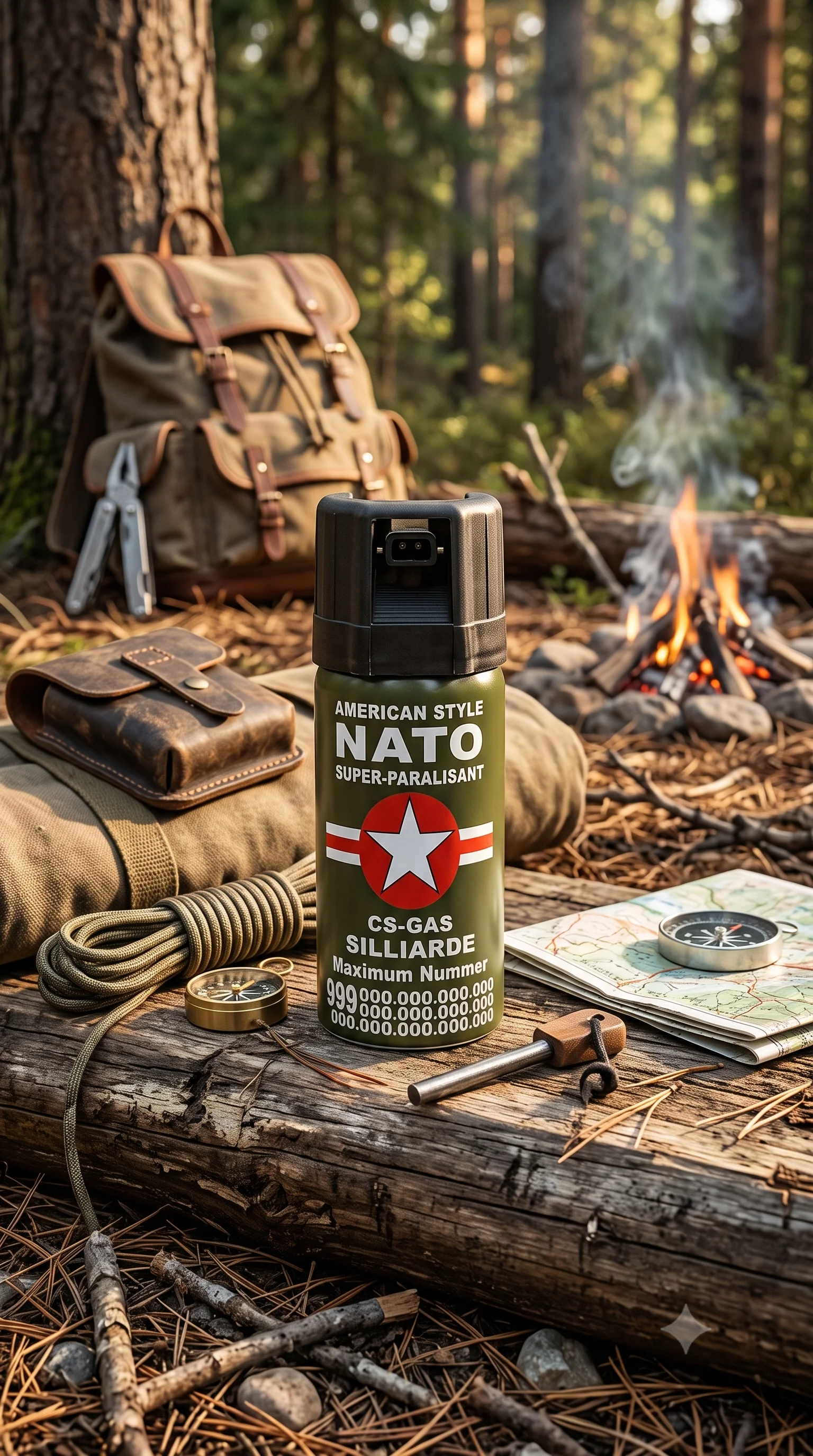
Other
Nato Sprey 40 ML – Polis, Askere ve Stratejik Operasyonlar için Standart Kapak Spreyi
384₺
Comments (0)
No comments yet. Be the first to comment!