Top Tips for Choosing the Best Knife for Tracking and Survival
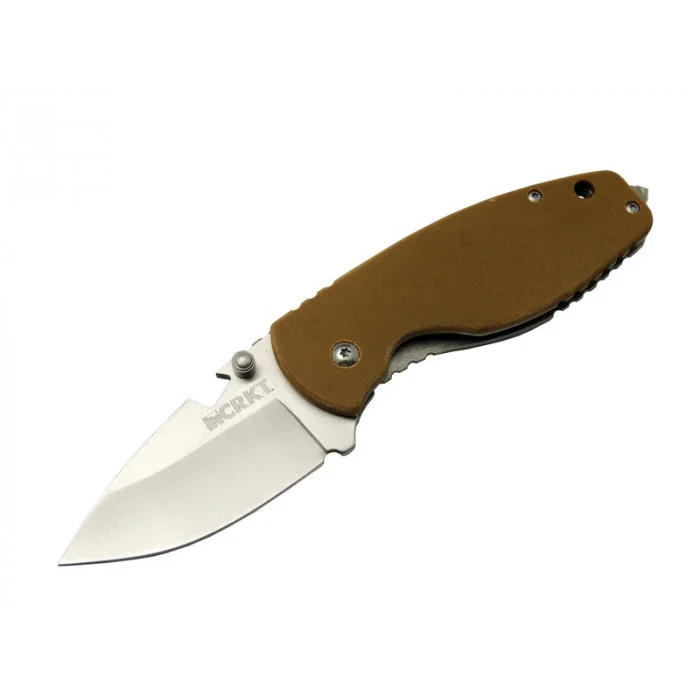
Knife Selection in Tracking Techniques
Choosing the right knife is crucial in tracking techniques. The correct knife isn’t just a tool—it's the foundation of survival and safety. Especially under natural conditions, selecting the most suitable knife directly impacts your success in tracking.
To optimize knife use during tracking, factors like blade length, weight, steel quality, and ergonomic design should be considered. In this guide, we’ll explore detailed strategies for choosing the best knife for tracking purposes.
Blade Length and Its Impact on Tracking
The length of the knife you use during tracking directly affects its performance. Shorter blades offer better portability, while longer blades provide more cutting power. Generally, knives between 15-20 cm are ideal for tracking techniques.
During tracking, the blade length in your hand influences your balance and control. Shorter blades are more effective for small tasks, whereas longer blades offer greater functionality. Therefore, it’s essential to consider these factors when selecting your knife.
Steel Quality and Durability
One of the most important aspects when choosing a knife is steel quality. Harsh conditions encountered during tracking put the durability of your knife to the test. High-quality steels offer sharpness and longevity.
Steels like 440C, which have high hardness, deliver top-tier performance in terms of sharpness and durability. These steels are especially ideal for use in natural environments. Additionally, protective coatings on stainless steel blades also contribute to their long lifespan.
Ergonomic Design and Ease of Use
During extended use in tracking, the knife’s design becomes critical. An ergonomic design allows you to work with the knife for longer periods. A handle that fits your natural grip enhances control and safety.
A knife used during tracking isn't only for cutting—it can also be used for building shelters, chopping wood, and other tasks. Therefore, when selecting a knife, it's important to consider ergonomic features and elements that reduce hand fatigue.
Best Knife Choices for Tracking: Practical Recommendations
Your knife choice for tracking should prioritize both functionality and safety. The best tracking knives strike a balance between portability and performance.
Knives frequently used in tracking should be lightweight, durable, and long-lasting. Such knives can be safely used even in challenging natural conditions.
In this context, products in categories such as tactical knives and bushcraft knives offer top performance in tracking techniques.
Using Knives in Tracking Techniques
Knife use during tracking extends beyond just cutting—it’s also used for building shelters, chopping wood, cooking meals, and more. For this reason, it’s important to consider these usage areas when selecting a knife.
When choosing a knife, the sheath and portability should also be taken into account. A knife sheath is vital for protection and easy transport. Additionally, other gear that may be used alongside the knife should also be considered during the selection process.
In this regard, products in categories like multi-purpose tools and EDC equipment provide versatile solutions for tracking techniques.
Frequently Asked Questions
What blade length is best for tracking?
For optimal performance in tracking techniques, knives between 15-20 cm are preferred. This length offers a balanced structure between portability and functionality.
Which steel quality matters most when selecting a knife?
When choosing a knife, high-hardness steels like 440C are recommended. These steels deliver superior performance in terms of sharpness and durability.
What should I keep in mind when using a knife during tracking?
When selecting a knife for tracking, factors such as ergonomic design, portability, and longevity should be considered. Also, the knife sheath and ease of transport are important.
Comments (0)
No comments yet. Be the first to comment!