
Mastering the Wild: Choosing the Right Fishing and Hunting Knife

Your Key to Wilderness Success: Choosing the Right Fishing and Hunting Knife
Time spent in nature, especially for activities like fishing and hunting, becomes much more efficient and safe with the right equipment. In this context, the fishing and hunting knife you carry can transform from a mere cutting tool into a vital aid. Whether you're cleaning a fish, processing game, or carving wood at your campsite, the quality and functionality of your chosen knife directly impact your outdoor experience.
So, what should you consider when selecting the ideal knife for hunting and fishing? In this comprehensive guide, we'll delve into every detail, from blade steel to handle ergonomics, blade types to ease of carry, helping you find the perfect fishing and hunting knife.
Key Features of Fishing and Hunting Knives
A hunting knife or fishing knife is optimized for specific tasks, unlike a general-purpose knife. The design of these knives takes into account the harsh conditions of nature and specific use scenarios.
- Steel Quality: A knife's performance largely depends on the type of steel. Stainless steels (e.g., 440C, AUS-8, S30V) are resistant to corrosion, making them ideal for damp environments like fishing. Carbon steels (e.g., 1095, CK-75) offer better edge retention and are easier to sharpen, but they are more prone to rust and require regular maintenance.
- Blade Type and Geometry: Hunting knives typically feature robust and versatile blade types like drop point or clip point. Fishing knives, especially fillet knives, are designed with thin, flexible, and pointed blades. This is critical for separating fish flesh from bone and making precise cuts.
- Handle Material and Ergonomics: Handles that provide a secure grip, even with wet or bloody hands, are vital. Materials like G10, Micarta, rubber, or quality wood are preferred. A handle that fits comfortably in the hand reduces fatigue during prolonged use and enhances safety.
- Full Tang Construction: When the blade extends through the entire length of the handle, it significantly increases the knife's overall durability and strength. This is indispensable for demanding tasks like bone cutting in hunting or wood splitting.
Robust Options for Professional Hunters
Hunting is one of the areas that most tests a knife's durability and sharpness. Here are powerful hunting knives designed for this need, ready to accompany you in the wild:
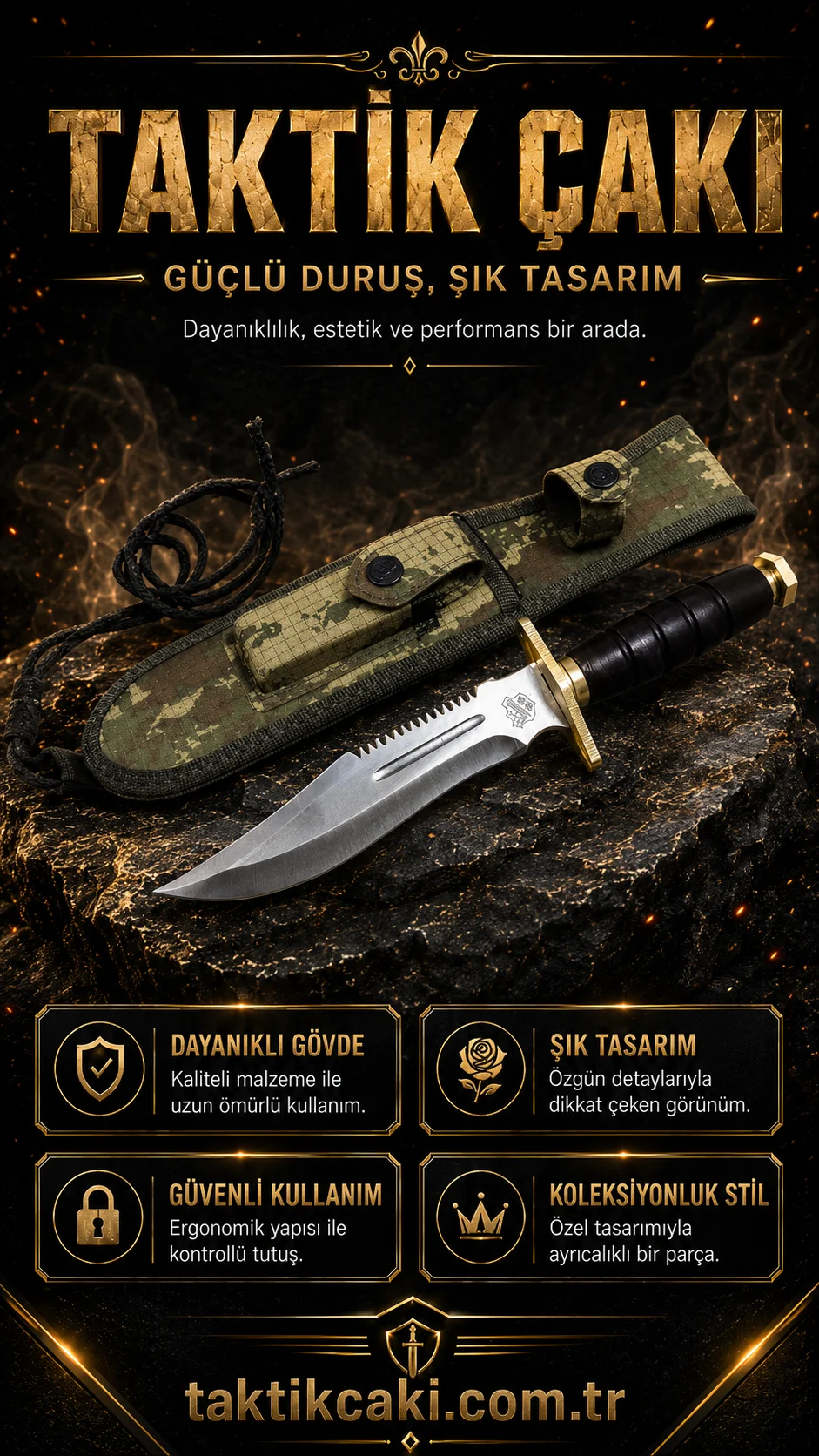
Halmak Standard Commando Hunting Knife: With a total length of 30 cm and a thickness of 4 mm, this knife is perfectly suited for tough hunting and camping conditions. Its 17 cm blade, crafted from CK-75/ST-60 carbon steel, offers long-lasting sharpness thanks to its 52-56 RHC hardness. The hard chrome plating enhances corrosion resistance, while the hardened plastic handle integrated into the steel chassis and the leather nano-fabric sheath provide an ergonomic grip and comfortable carrying experience. Weighing 280 grams, it offers balanced use. It can truly be considered a bushcraft knife as well.
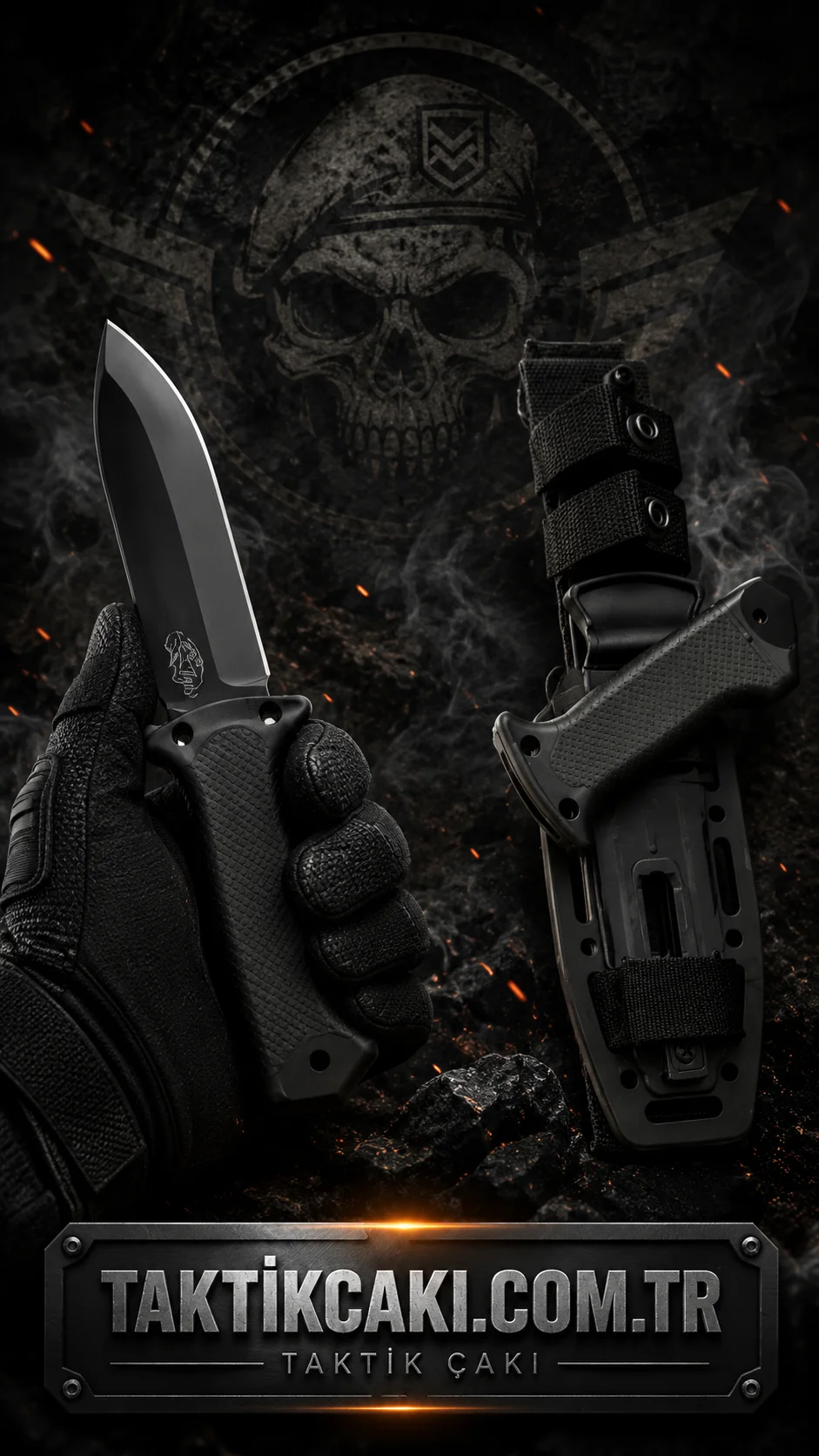
Tiger Tactical Hunting Knife: Designed for professional hunters and outdoor enthusiasts, this 27 cm knife combines sharpness with robustness. Its thin, pointed frame allows for quick and clean processing of game, while also standing out as a versatile cutter for camping and hiking. The ergonomic design, non-slip grip surface, and lightweight construction minimize hand fatigue even during extended use. Its durable steel maintains sharpness in challenging conditions, offering reliable performance. The user-friendly grip makes this knife indispensable in the field.
Ideal Knives for Fishing and Delicate Tasks
In fishing, especially during fish cleaning and filleting, the knife's flexibility and precision are as important as its sharpness. Choosing the wrong knife can damage the fish's flesh and lead to waste.
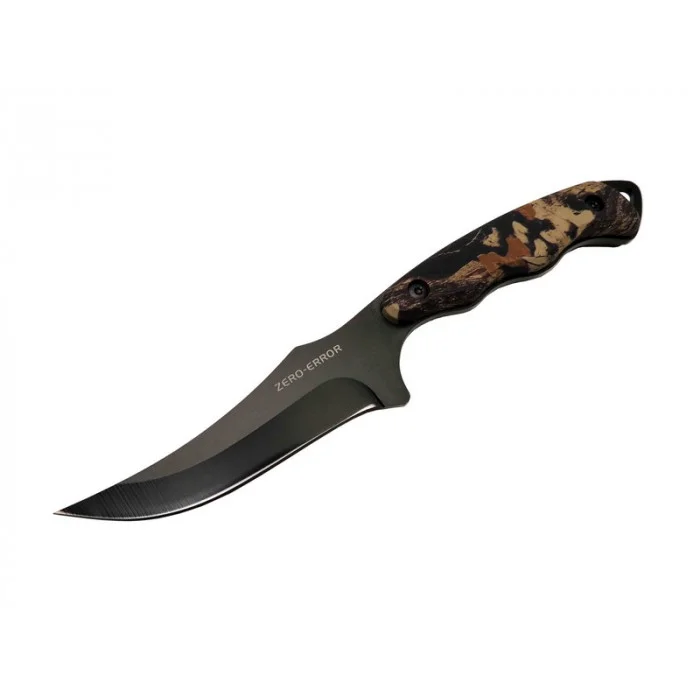
Zero Error Hunting Knife Km: This 23 cm single-edged knife is ideal for both beginners and experienced hunters, but its slender design and sharpness also make it highly functional for fishing. Its black steel construction offers durability and sharpness, while the ergonomic handle ensures a comfortable grip even during prolonged use. Thanks to its unibody design, it provides maximum control during cutting tasks. With its lightweight and compact size, it's suitable for EDC (Everyday Carry) and can be easily carried in your bag. This knife is an excellent aid for precise tasks in both hunting and fishing.
Fishing and Hunting Knife Care and Sharpening Tips
Even the best knife will lose its performance without regular maintenance. To extend the life of your fishing and hunting knife and keep it sharp at all times, you need to follow some basic care rules:
- Cleaning: Clean your knife immediately after each use. Especially if it has come into contact with corrosive substances like saltwater or game blood, wash it with warm soapy water and dry it thoroughly. Even stainless steel can stain if left damp.
- Oiling: Especially for carbon steel knives, regularly apply a thin layer of protective oil to prevent rust. For knives that will come into contact with food, opt for food-grade oils.
- Sharpening: Sharpen your knife regularly to maintain its keen edge. Learning about knife sharpening techniques and using the right sharpening stones (whetstones, diamond, ceramic) is important. A dull knife is more dangerous than a sharp one because it requires more force to use and increases the risk of slipping.
- Storage: Store your knife in a dry, ventilated place, preferably in its sheath. Make sure the sheath does not trap moisture.
Conclusion: Enjoy the Wild with the Right Blade
Fishing and hunting are some of the most enjoyable ways to connect with nature. To fully experience these adventures and be prepared for any situation, having the right equipment is essential. The fishing and hunting knife you choose is not just a tool, but also a part of your safety and success. By selecting the knife best suited to your needs, you can embark on the adventures nature offers, fully equipped.
Frequently Asked Questions
What is the main difference between a fishing knife and a hunting knife?
Fishing knives typically have thinner, more flexible, and pointed blades (especially fillet knives), while hunting knives have sturdier, thicker, and more versatile blade types (drop point, clip point). Fishing knives are often made of stainless steel, whereas hunting knives can utilize both stainless and carbon steel.
Why should or shouldn't carbon steel be preferred for a fishing and hunting knife?
Carbon steel can be preferred because it offers excellent edge retention and is easy to sharpen. However, it is more susceptible to rust and requires regular maintenance (cleaning and oiling) in damp environments like fishing. Stainless steel, on the other hand, is more corrosion-resistant and requires less maintenance, but generally does not hold as keen an edge as carbon steel.How often should I sharpen my fishing and hunting knife?
The frequency of knife sharpening depends on the intensity of use and the quality of the blade's steel. Generally, you should check your knife's sharpness after each use and lightly sharpen it if necessary. It's easier and more effective to maintain sharpness with regular, light touch-ups rather than waiting for the blade to become completely dull.
Comments (0)
No comments yet. Be the first to comment!