

What You Need to Know When Choosing a Professional Camping Knife
One of the most crucial pieces of gear that directly impacts the quality of your time in the wild is, without a doubt, a reliable and versatile professional camping knife. Whether you're a hunter, a bushcraft master, or simply a nature hiker, choosing the right knife determines your comfort and even your safety. In this article, we will delve into the technical details of some prominent professional camping knives on the market and compare them based on their intended uses.
When selecting a camping knife, factors such as steel quality, ergonomics, blade geometry, and overall durability are paramount. These features directly influence how long the knife retains its sharpness, its resistance to corrosion, and its performance in demanding tasks.
Halmak Salur Tactical Hunting Knife - 25.5 cm: Power and Control
The Halmak Salur Tactical Hunting Knife is a striking model designed for both outdoor enthusiasts and professional hunters. Its 25.5 cm length, sharp tip, and slightly curved profile offer an ideal balance for both precise cuts and more demanding tasks. Its advanced steel construction promises long-lasting performance, ensuring it won't let you down even in the toughest conditions.
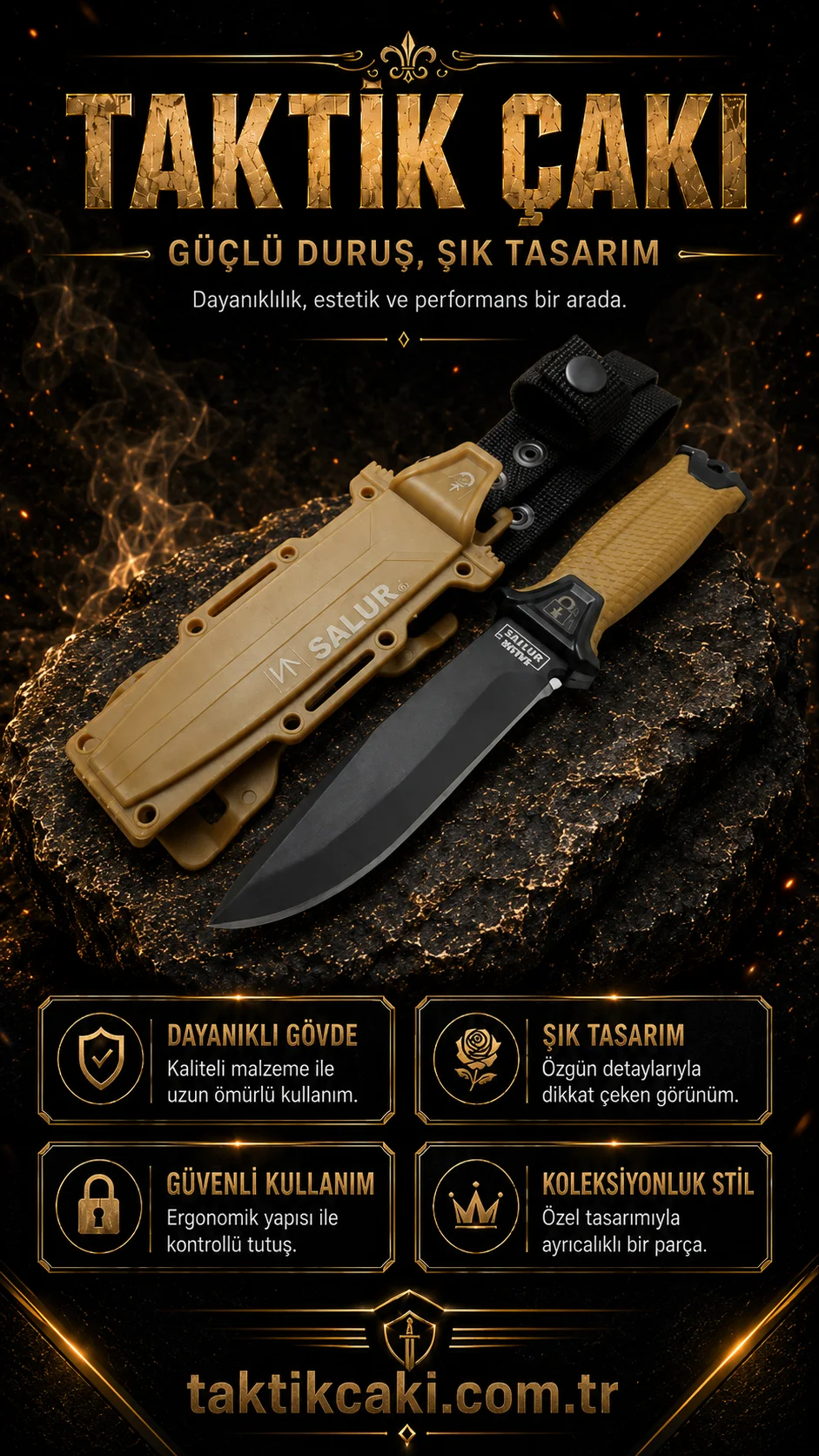
The tactical design of this knife is optimized to provide superior control and power during hunting or survival scenarios. Its sharp edge and robust construction can successfully handle a wide range of tasks, from splitting wood to processing game. The ergonomic handle minimizes hand fatigue even during prolonged use.
Fallkniven WM1 18 CM Professional Hunting Knife: Compact and Razor-Sharp
The Fallkniven WM1 18 CM is a compact yet powerful option for hunting and general outdoor activities. Its 18 cm blade length offers both ease of carrying and a fine, strong cutting experience. Known for its Swedish steel quality, Fallkniven opts for high-quality steel in this model, providing long-lasting sharpness and durability.
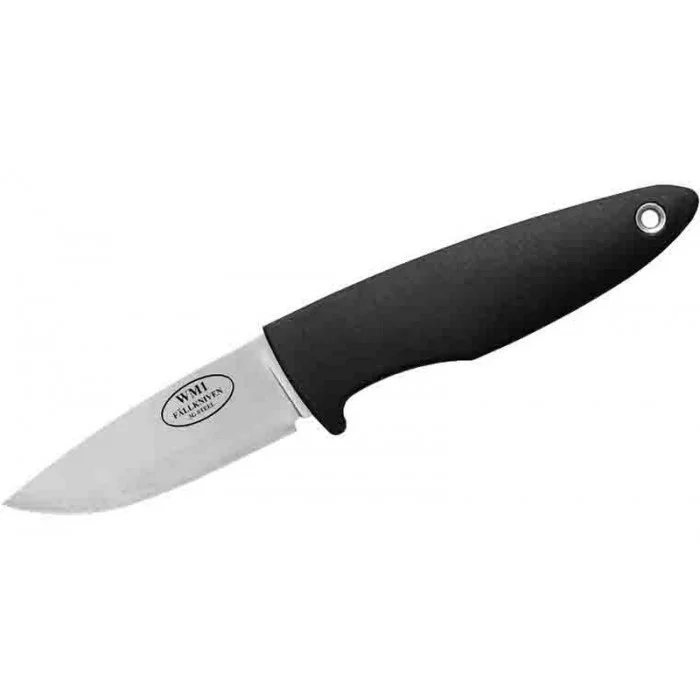
The ergonomic grip ensures a comfortable hold even during hunting or delicate tasks like food preparation. Its lightweight design means it won't add extra bulk when carried in your pack or on your belt. The Fallkniven WM1 is designed to withstand harsh weather conditions and heavy use, making it a true professional camping knife.
IZULA ESEE KNIVES 16 CM Hunting Knife: Minimalist and Versatile
The IZULA ESEE KNIVES offers a minimalist approach with its compact 16 cm size, yet stands out as an EDC (Everyday Carry) or backup knife that doesn't compromise on sharpness or durability. The blade, crafted from high-quality steel, performs excellently in hunting and other outdoor tasks.
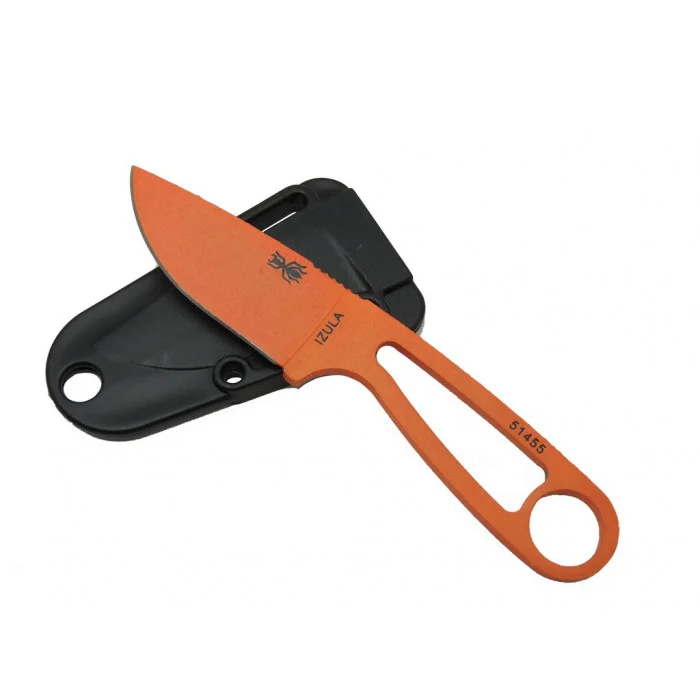
One of the most striking features of this knife is its ergonomic handle, coated with a non-slip surface. It guarantees a secure grip even in greasy or wet conditions, which is a significant advantage, especially in outdoor cooking or fishing. Its lightweight and compact structure provide excellent carrying comfort, making it ideal for both close-range and mid-range tasks.
Halmak Salur N690 Tactical Knife Khaki 5mm Steel - 25.5 CM: Superior Strength
The Halmak Salur N690 Tactical Knife, with its 25.5 cm length and 5 mm thick N690 steel, is like a tank. N690 steel, thanks to its high strength and wear resistance, ensures the knife retains its sharpness for a long time and performs exceptionally well even in the most demanding tasks. This makes it particularly appealing to those looking for a truly professional camping knife.
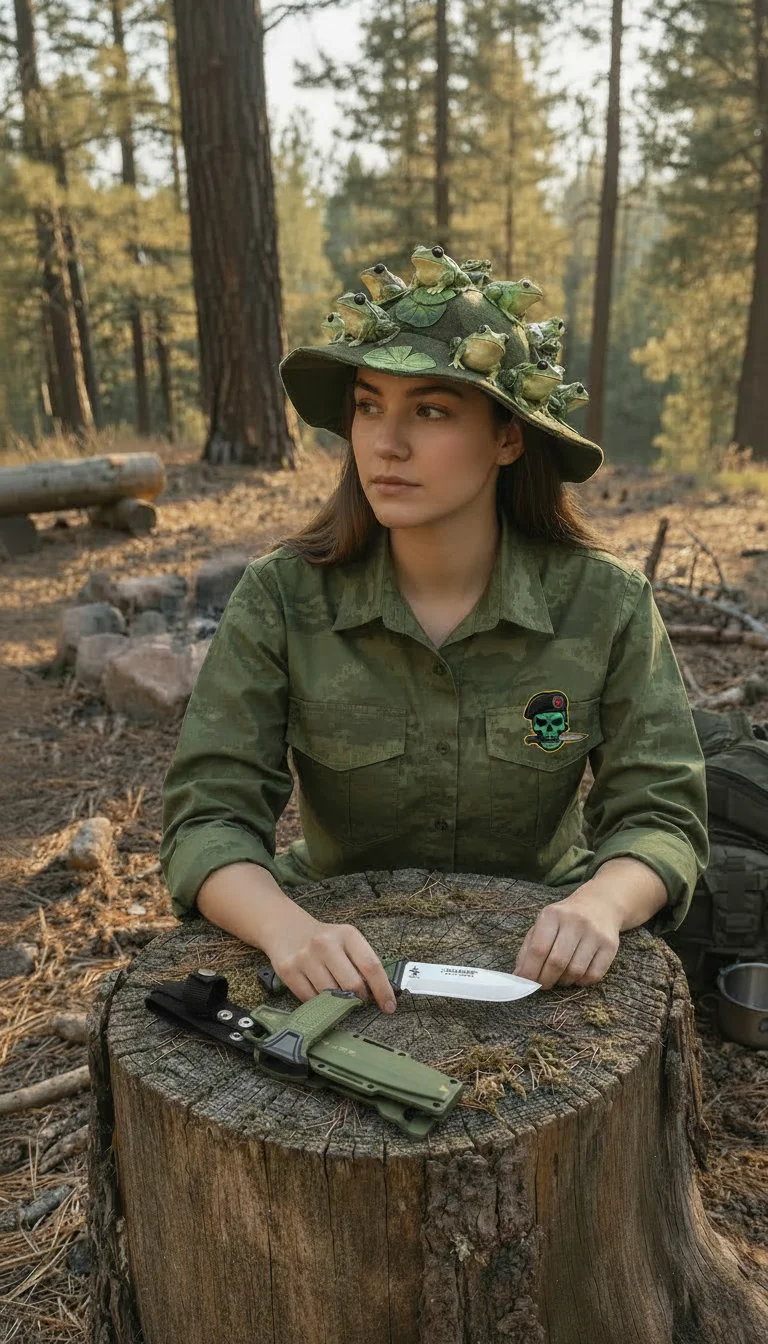
The blade body, shaped with special processing techniques, offers a sharp tip and a balanced weight distribution, providing maximum control and comfort during cutting. The ergonomic and non-slip handle minimizes wrist fatigue and allows for comfortable use in both hot and cold environments. This knife is perfectly suited for heavy bushcraft tasks, wood splitting, and other challenging outdoor activities.
What to Consider When Choosing a Professional Camping Knife
Steel Quality and Type
One of the most critical factors in knife selection is steel quality. Stainless steels (e.g., 440C, N690) are corrosion-resistant and require less maintenance, while carbon steels (e.g., 1095) tend to hold a sharper edge but are more prone to rust. High-performance steels like N690 try to offer the best of both worlds. For more information, check out our knife steel guide.
Ergonomics and Handle Material
A knife that fits comfortably in your hand reduces fatigue during prolonged use and enhances safety. Synthetic materials like G10, Micarta, and Kraton generally provide a durable, water-resistant, and non-slip grip, while wooden handles offer an aesthetic appeal but may require more maintenance. Learn more about handle materials.
Blade Geometry and Point Type
The intended use of each knife is directly related to its blade geometry. Different blade types like drop point and clip point offer various cutting, piercing, and slicing capabilities. For a general-purpose camping knife, versatile geometries such as drop point or spear point can be preferred. Visit our blog for more information on blade geometries.
Sheath and Carry Comfort
The sheath of a professional camping knife is just as important as the knife itself. Kydex sheaths are water-resistant, lightweight, and provide secure carrying, while leather sheaths offer a traditional aesthetic. Features like being able to attach the knife to a belt, pack, or around the neck enhance user comfort.
Frequently Asked Questions
Is there a difference between a professional camping knife and a hunting knife?
The term professional camping knife covers a broader range of uses, while a hunting knife typically refers to knives designed for specific hunting tasks like skinning and butchering game. However, many hunting knives can also be used as professional camping knives for general camping and outdoor tasks, and these two categories often overlap.
Why is N690 steel preferred for outdoor knives?
N690 steel offers excellent corrosion resistance, wear resistance, and edge retention due to its high carbon, chromium, and molybdenum content. These properties make it an ideal choice for professional camping knives that are durable, long-lasting, and low-maintenance in harsh outdoor conditions.
How important is size when choosing a knife?
Knife size varies depending on the intended use. Smaller knives (10-18 cm) are ideal for delicate tasks, food preparation, and light bushcraft. Larger knives (20 cm and above) perform exceptionally well in more demanding tasks such as wood splitting, heavy bushcraft chores, and self-defense. Personal preference and usage habits also play a significant role in size selection.

Comments (0)
No comments yet. Be the first to comment!