
Your Ultimate EDC Companion: A Guide to Choosing & Using Your Everyday Carry Knife
Your Ultimate EDC Companion: A Guide to Choosing & Using Your Everyday Carry Knife
In life's unexpected moments, some items feel like a trusted friend, offering a helping hand and a sense of security. This is precisely where a EDC knife, an essential part of our Everyday Carry gear, comes into play. From opening a package to cutting a rope, or even self-defense in an emergency, these small heroes accompany you in countless scenarios. When chosen correctly, they become an indispensable part of your life. So, how do you pick the perfect EDC knife for you, and how do you use it safely?
An EDC tool, carried with us to overcome the myriad small obstacles we encounter daily, is more than just a cutting implement; it's a safety device and a practical aid. In this guide, we'll explore various EDC knives tailored to different needs, delving into their features and applications. Remember, with the right gear, you're always a step ahead.
Why Do You Need an EDC Knife?
For many, carrying a knife is solely associated with outdoor activities or professional trades. However, in the modern world, an EDC knife can simplify many situations an individual might face in their daily routine. It offers a wide range of uses, from simple tasks like opening a package, cutting a clothing tag, peeling fruit, trimming small branches while camping, or cutting a seatbelt in an unexpected emergency, to self-defense scenarios. The key is to carry and use this tool consciously and responsibly.
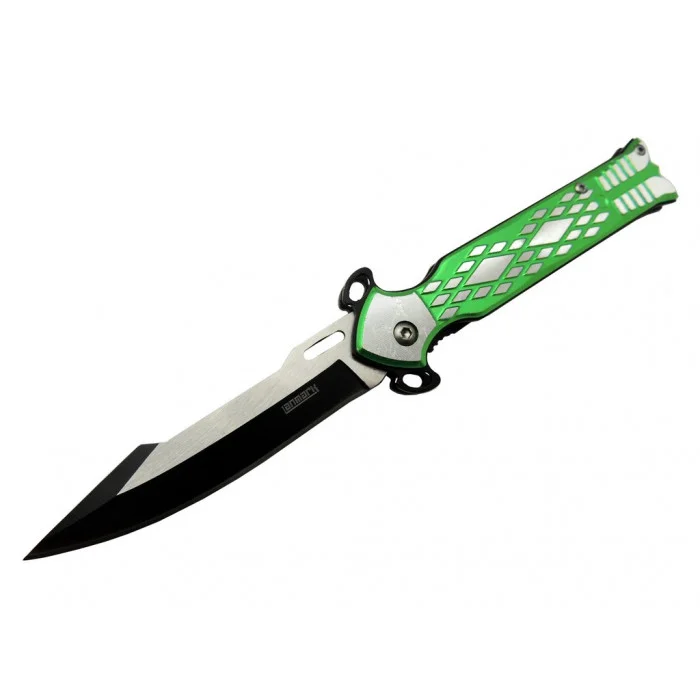
The Lanmark Slim Folder is an ideal choice for everyday carry with its compact size and slim profile. This 20 cm folder doesn't take up much space in your pocket thanks to its lightweight design, providing quick access for your immediate needs. Its safety lock minimizes the risk of accidental cuts by preventing the knife from opening unintentionally. The belt clip allows you to secure the knife to your bag or belt, ensuring it's always within reach.
How to Choose the Right EDC Knife?
Choosing an EDC knife varies based on your personal needs, lifestyle, and local regulations. Factors such as size, steel quality, locking mechanism, and ease of carry play a critical role in the decision-making process. Do you spend more time in the city or in the wilderness? What kind of tasks do you plan to use it for? The answers to these questions will help you make the right choice among the various knife types available for you.
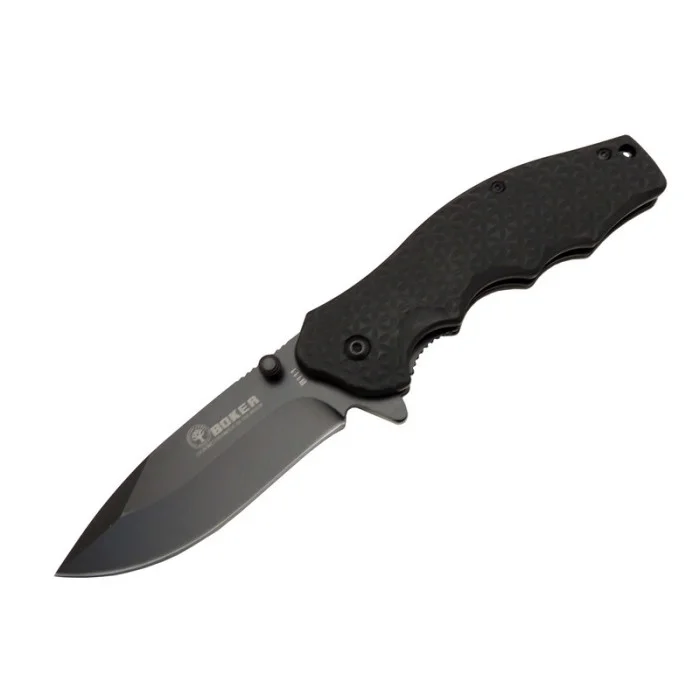
The Böker Black 20 CM Folding Knife offers a stylish and functional tool designed for everyday use. Its all-black coating provides both an aesthetic look and extra protection against rust. With its ergonomic design, this knife offers a comfortable grip, preventing fatigue even during prolonged use. The strong steel blade mechanism maintains its sharpness for a long time and delivers ideal performance for various cutting needs. Its foldable structure makes it easy to carry and can be safely stored in your pocket or bag.
Steel Quality and Blade Type
One of the most crucial features of a knife is its steel. High-quality steel stays sharp longer, is more resistant to rust, and is more durable. Stainless steels (e.g., 440C, AUS-8, S30V) are popular for everyday use due to their low maintenance requirements. Carbon steels, while capable of holding a sharper edge, are more susceptible to rust. As for blade types: plain edge blades are ideal for precise cuts, while serrated edges excel at cutting fibrous materials. Combo edges offer the best of both worlds.
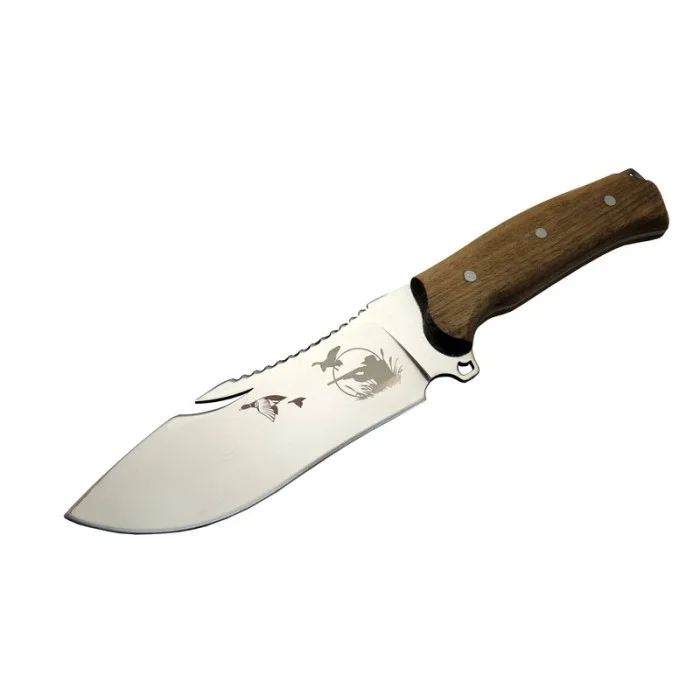
The FC Hunter Knife Duck CNT is crafted from high-quality 4034 steel, measuring 26 cm in length and 3 mm in thickness. This knife is a reliable partner for hunting and outdoor activities, thanks to its sharpness and durability. The walnut handle provides a natural look while ensuring a firm grip; it fits perfectly in your hand, maintaining comfort even during extended use. Its domestic production signifies meticulous quality control processes, guaranteeing the product's longevity. In terms of design, the blade body features a lightweight yet robust construction, offering ease of carry.
Locking Mechanism and Safety
In a folding EDC knife, the locking mechanism is vital for safe use. There are various lock types, including liner lock, frame lock, back lock, and axis lock. Each has its own advantages and disadvantages. The important thing is to ensure that the locking mechanism is sturdy and reliable when using the knife. Additionally, the ability to open and close the knife easily with one hand is also important for practicality.
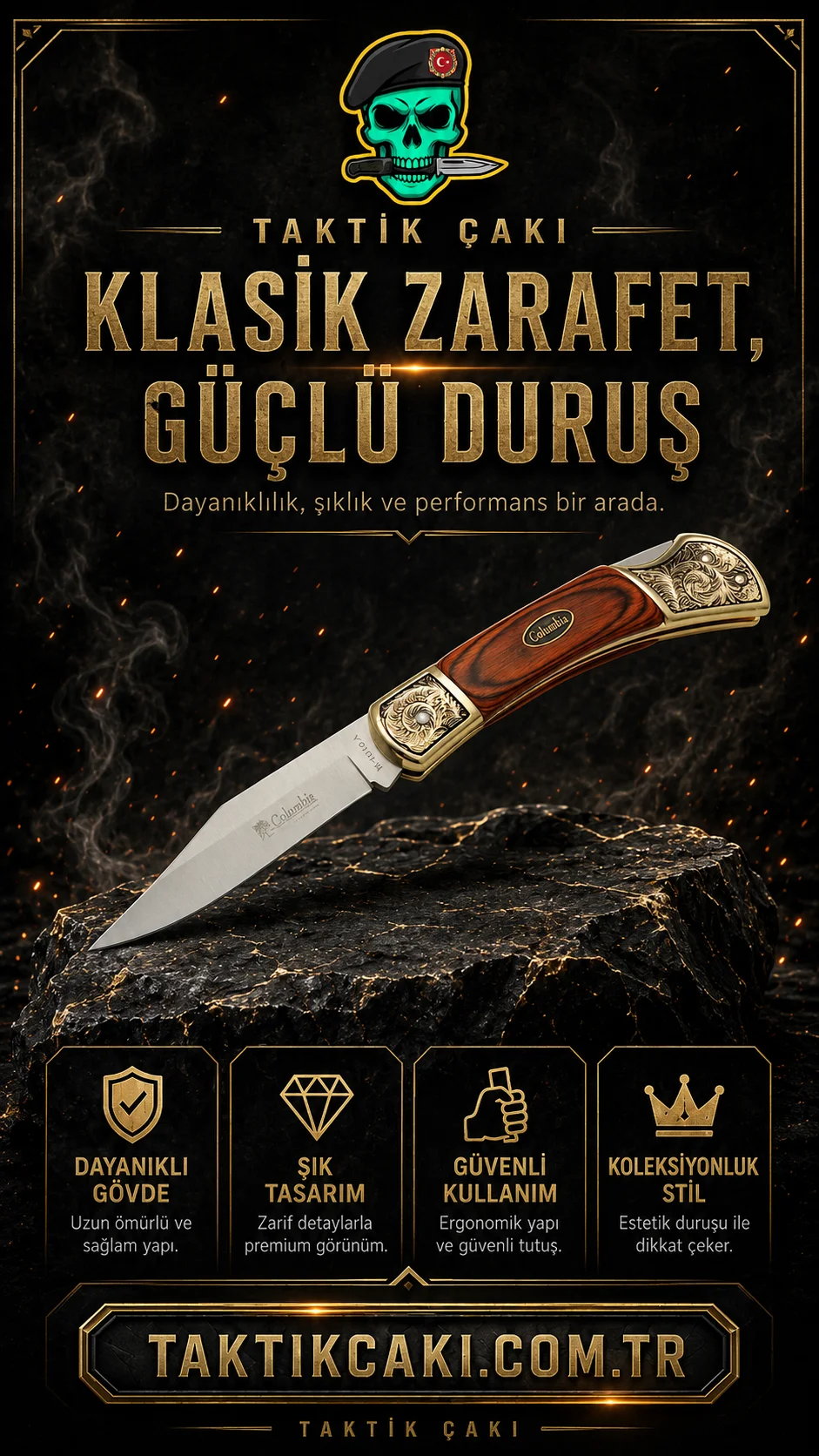
The Columbia Embroidered Folder O, with its 18.5 cm long, thin, and sharp steel blade, is an ideal choice for daily use and outdoor activities. The knife features a lightweight yet durable construction, and its ergonomic grip minimizes hand fatigue even during prolonged use. The embroidered design offers both an aesthetic and functional touch; the subtle patterns on the knife's body highlight the product's quality and the brand's attention to detail. The knife is made from high-quality steel, ensuring long-lasting sharpness. Its 18.5 cm size enhances portability while balancing cutting performance.
Safety and Ethics in EDC Knife Use
Carrying an EDC knife demands not only practicality but also responsibility. Always carry your knife safely and keep it closed when not in use. Store it out of reach of children and unauthorized individuals. Always be careful when using the knife and be aware of its sharpness. Furthermore, knife carrying laws can vary by region, so it's crucial to comply with local regulations. Use a knife only for legitimate self-defense or necessary situations, never with aggressive intent. Remember, our goal is always to be a safe and responsible user.
EDC Knife Maintenance and Longevity
An EDC knife can serve you for years with regular maintenance. Sharpen your knife regularly to maintain its keen edge. Use a sharpening stone or system appropriate for the blade steel. Keep your knife clean and dry to prevent rust, and lightly oil it when necessary. Ensure the locking mechanism and pivot point operate smoothly by cleaning and lubricating them. You can use special care products depending on the handle material. These simple steps will significantly enhance your knife's performance and lifespan. For more information, visit our Knife Care category.
Frequently Asked Questions
Is it legal to carry an EDC knife?
Knife carrying laws vary by country and even by region. Generally, folding knives are subject to fewer restrictions than fixed blades. However, the knife's size, locking mechanism, and manner of carry can affect its legal status. It's important to research local regulations before traveling or going to a new area. While there's a general definition in Turkey like 'knives larger than 5.5 inches', this may not always be clear. The best approach is to seek information from local law enforcement or relevant legal authorities.
What is the best steel type for an EDC knife?
The best steel type for an EDC knife depends on your intended use and budget. For general daily use, stainless steels (e.g., 440C, 8Cr13MoV, AUS-8) offer a good balance: they stay sharp enough, resist rust, and are easy to maintain. For those seeking higher-level performance, premium steels like S30V, CPM-20CV, or M390 offer superior edge retention and wear resistance but are more expensive and harder to sharpen. Carbon steels, on the other hand, provide maximum sharpness and toughness but require more maintenance as they are more susceptible to rust.
How do I keep my EDC knife sharp?
Regular sharpening is essential to keep your EDC knife sharp. Depending on the frequency of use, you may need to sharpen your knife weekly or monthly to maintain its edge. For beginners, a medium-grit sharpening stone or ceramic rod set is a good choice. For more advanced users, diamond sharpening stones or precision sharpening systems (e.g., Wicked Edge, KME) yield more consistent results. When sharpening, it's crucial to maintain the correct angle and sharpen both sides of the blade evenly. You can perform a paper cutting test to check for sharpness. Additionally, making small touch-ups before your knife loses its sharpness completely is easier than a full resharpening, extending its lifespan.
Comments (0)
No comments yet. Be the first to comment!