Hayatta Kalma Uzmanlarından 5 Taktik Çakı Seçim Sırrı ve Fiyat/Performans Önerileri
Hayatta Kalma Durumlarında Doğru Taktik Çakı Seçimi: Uzman Sırları
Doğa ile iç içe olmak, beklenmedik durumlarla karşılaşmaya her zaman hazırlıklı olmayı gerektirir. Bu hazırlığın en temel ve vazgeçilmez unsurlarından biri de doğru bir taktik çakı seçimi yapmaktır. Bir hayatta kalma senaryosunda, doğru çakı sadece bir kesme aleti değil, aynı zamanda bir kurtarma aracı, bir ateş başlatıcı ve hatta bir savunma mekanizması olabilir. Peki, yüzlerce farklı model arasından size en uygun taktik çakıyı nasıl seçersiniz? İşte hayatta kalma uzmanlarından derlediğimiz 5 kritik seçim sırrı ve fiyat/performans odaklı ürün önerileri.
Hayatta kalma uzmanları, bir çakının sadece keskinliğinden öte, ergonomisi, malzeme kalitesi, kilitleme mekanizması ve çok yönlülüğü gibi özelliklerinin de hayati önem taşıdığını vurgular. Yanlış bir seçim, kritik anlarda sizi yarı yolda bırakabilir ve telafisi zor sonuçlar doğurabilir. Bu rehberde, bir taktik çakıda nelere dikkat etmeniz gerektiğini derinlemesine inceleyecek, yaygın yapılan hatalardan bahsedecek ve bütçenize uygun, performans odaklı ürünleri tanıtacağız.
1. Malzeme Kalitesi ve Bıçak Çeliği: Keskinliğin ve Dayanıklılığın Temeli
Bir taktik çakının kalbi, bıçağının yapıldığı çeliktir. Hayatta kalma durumlarında, çakınızın keskinliğini uzun süre koruması, paslanmaya karşı dirençli olması ve darbelere dayanıklı olması gerekir. Karbon çelikler genellikle daha keskin tutulabilirken, paslanmaz çelikler korozyona karşı daha dirençlidir. En iyi taktik çakılar genellikle yüksek karbonlu paslanmaz çelik alaşımlarından yapılır. Örneğin, D2, S30V, 154CM gibi çelik türleri üstün performans sunar.
- Yüksek Sertlik (HRC): Bıçağın ne kadar keskin kalabildiğini gösterir. Genellikle 58-62 HRC arası idealdir.
- Korozyon Direnci: Nemli ortamlarda paslanmayı önler. Özellikle açık hava multitool'ları ve çakılar için kritik öneme sahiptir.
- Tokluk: Bıçağın kırılmaya veya çatlamaya karşı direncidir. Çok sert bir çelik kırılgan olabilir, bu yüzden denge önemlidir.
Uzmanlar, çeliğin ısıl işlem görmüş olması gerektiğini ve bu işlemin bıçağın performansını doğrudan etkilediğini belirtirler. Kaliteli bir çelik, doğru ısıl işlemle birleştiğinde size yıllarca hizmet edecektir. Bu konuda daha detaylı bilgi için bıçak çelikleri rehberimizi inceleyebilirsiniz.
2. Ergonomi ve Güvenli Tutuş: Kontrol Sizde Olsun
Hayatta kalma senaryolarında elleriniz ıslak, çamurlu veya yorgun olabilir. Bu yüzden çakınızın kabzası (sapı) mükemmel bir tutuş sağlamalıdır. Ergonomik olarak tasarlanmış bir kabza, uzun süreli kullanımlarda bile el yorgunluğunu minimize eder ve kaymayı önler. G10, micarta, kauçuk veya kaliteli polimerler gibi malzemeler, ıslak koşullarda bile güvenli bir kavrama sunar.
- Parmak Olukları: Bıçağı daha sıkı kavramanıza yardımcı olur.
- Dokulu Yüzey: Sürtünmeyi artırarak kaymayı engeller.
- Kordon Deliği: Bilek kordonu takarak çakının düşmesini veya kaybolmasını önler.
Unutmayın, iyi bir tutuş sadece konfor değil, aynı zamanda güvenlik demektir. Kontrolsüz bir bıçak, tehlikeli durumlara yol açabilir.
3. Kilitleme Mekanizması ve Güvenlik: Kazaları Önleyin
Katlanır bir taktik çakı için kilitleme mekanizması hayati önem taşır. Ağır işler yaparken bıçağın aniden kapanması ciddi yaralanmalara neden olabilir. Liner Lock, Frame Lock, Back Lock veya Axis Lock gibi güçlü ve güvenilir kilitleme sistemleri tercih edilmelidir. Kilitleme mekanizmasının sağlamlığı, çakının ne kadar zorlu görevlerin üstesinden gelebileceğinin bir göstergesidir.
- Hızlı Açılış: Tek elle hızlıca açılabilen mekanizmalar acil durumlarda avantaj sağlar.
- Sağlam Kilit: Bıçağın kullanım sırasında asla kapanmamasını garanti eder.
- Kolay Kapanış: Güvenli bir şekilde tek elle kapatılabilmesi de önemlidir.
Kilitleme mekanizmaları hakkında daha fazla bilgi edinmek için çakı kilit mekanizmaları rehberimize göz atabilirsiniz.
4. Boyut ve Taşınabilirlik: Her Yere Yanınızda
Bir hayatta kalma çakısı, yanınızda taşıyabileceğiniz kadar kompakt ve kullanışlı olmalıdır. Çok büyük bir bıçak taşımak pratik olmayabilirken, çok küçük bir bıçak da yeterli gücü ve çok yönlülüğü sunmayabilir. İdeal taktik çakı seçimi genellikle 8 ila 12 cm bıçak uzunluğuna sahip modellerdir. Bu boyut, hem ince işler hem de daha ağır kesim görevleri için uygun bir denge sağlar.
Günlük taşıma (EDC) için de uygun olan bu çakılar, cebinizde, çantanızda veya kemerinizde rahatça taşınabilir.
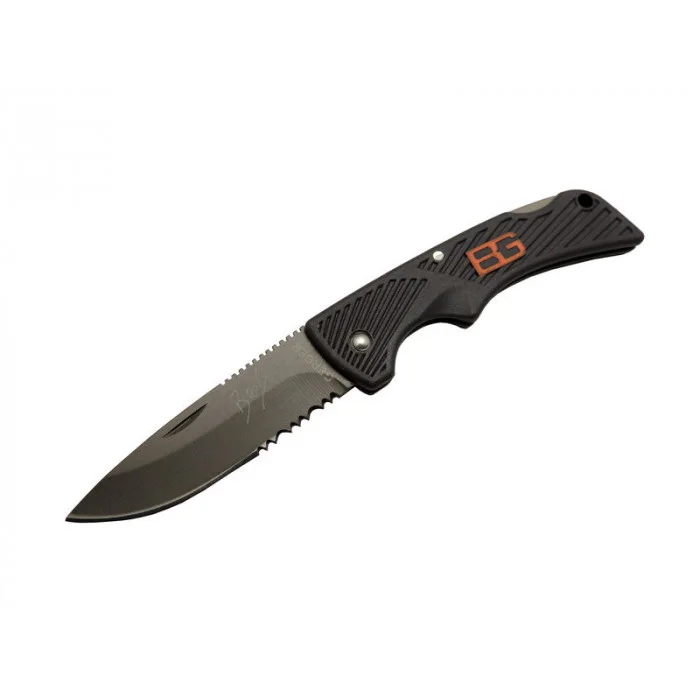
Gerber Bear Grylls Çakı, 14.5 cm toplam boyutuyla kompakt yapısı, çantanızda yer açmadan her türlü kamp, yürüyüş, balıkçılık ve günlük EDC (Everyday Carry) ihtiyaçlarınızda yanınızda taşımanızı sağlar. Yüksek performanslı çelik bıçakları, korozyona karşı üstün direnç gösterir ve uzun ömürlü kullanım garantisi verir. Ergonomik tutuşu, uzun süreli kullanımda bile konfor sunar. Açma mekanizması, hızlı ve güvenli erişim için tasarlanmıştır.5. Çok Yönlülük ve Ek Özellikler: Bir Çakıdan Daha Fazlası
Hayatta kalma çakısı, sadece kesmek için değildir. Birçok taktik çakı, ek özelliklerle gelir ve bu da onları daha değerli kılar. Örneğin, cam kırıcı, emniyet kemeri kesici, ateş başlatıcı veya tornavida gibi entegre araçlar, acil durumlarda hayat kurtarıcı olabilir.
Columbia Tactical Çakı İpli, 21 cm uzunluğundaki sağlam çelik bıçak ve ergonomik tutuşuyla açık hava tutkunları için tasarlanmış bir çakı çözümüdür. Çakının gövdesi, yüksek mukavemetli çelikten üretilmiş olup, uzun süreli kullanımda bile keskinliğini korur. İpli tasarımı, çakının açılışını hızlı ve güvenli bir şekilde sağlar, böylece acil durumlarda bile sorunsuz bir erişim sunar. Tasarımında minimalist bir estetik benimsenmiş olan çakı, hafif yapısı sayesinde EDC kullanımına uygundur. Aynı zamanda kamp, balıkçılık ve avcılık gibi açık hava etkinliklerinde de rahatlıkla kullanılabilir.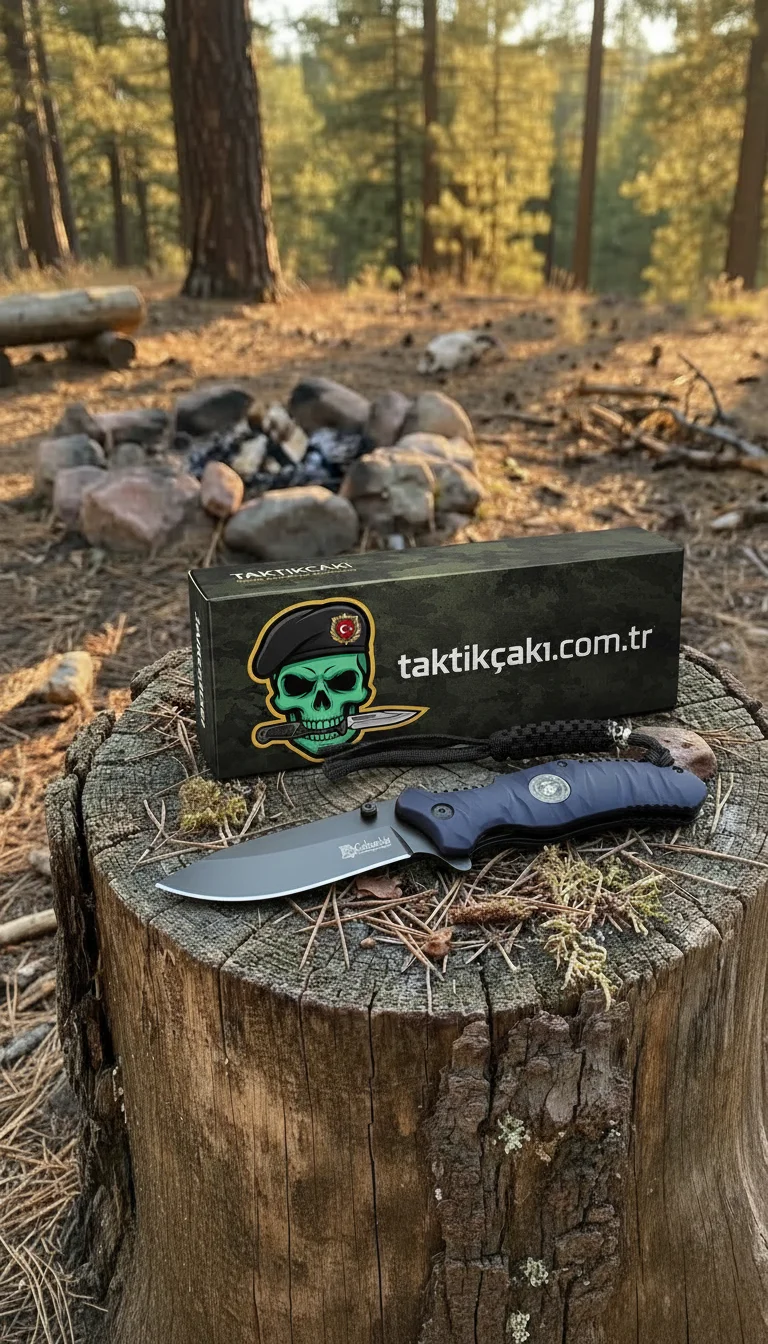
Bazı modellerde, bıçağın arka kısmında kıvılcım çıkarmak için tasarlanmış özel bir kısım veya kordon delikleri bulunur. Bu küçük detaylar, bir hayatta kalma durumunda büyük fark yaratabilir.
5.11 Karambit 16 CM Taktik Çakı, taktik operasyonlar, acil durumlar ve profesyonel kesim ihtiyaçları için tasarlanmıştır. Klasik karambit tasarımını taşıyan 5.11 Karambit, ergonomik tutuşu ve hızlı erişim imkanı sunar. Çakının hafif yapısı, uzun süreli kullanımda bile el yorgunluğunu minimize eder. Çakının kenarı, yüksek sertlikte çelikten üretilmiş olup, uzun ömürlü keskinlik sağlar. Bu model, özellikle kendini savunma ve taktiksel kullanımlar için idealdir.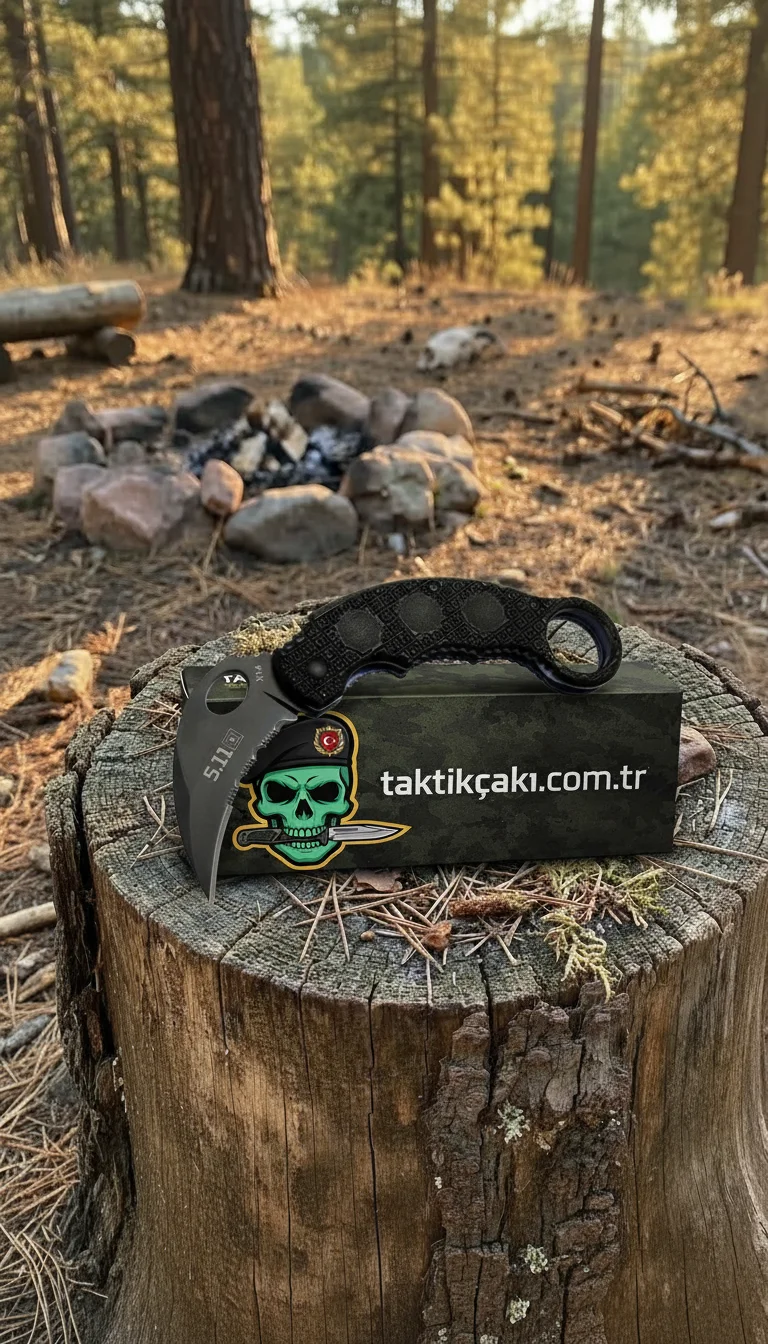
Yaygın Yapılan Hatalar ve Kaçınılması Gerekenler
- Sadece Fiyata Odaklanmak: Ucuz bir çakı, hayati bir durumda sizi yarı yolda bırakabilir. Kaliteye yatırım yapmak uzun vadede size kazandırır.
- Kullanım Amacını Göz Ardı Etmek: Her çakı her iş için uygun değildir. Bir kamp bıçağı ile bir taktik çakı arasındaki farkları bilmek önemlidir.
- Bakımı İhmal Etmek: En iyi çakı bile düzenli bakım yapılmadığında performansını kaybeder. Çakı bakımı, ömrünü uzatır ve her zaman kullanıma hazır olmasını sağlar.
- Yasalara Uymamak: Bazı bölgelerde belirli bıçak türlerinin taşınması yasaktır. Bıçak taşıma kanunları hakkında bilgi sahibi olmak önemlidir.
Doğru taktik çakı seçimi, sadece bir alışveriş değil, aynı zamanda bir hazırlık ve bilinç meselesidir. Uzmanların bu sırlarını göz önünde bulundurarak, doğanın zorlu koşullarına karşı her zaman bir adım önde olabilirsiniz. Unutmayın, en iyi çakı, en çok güvendiğiniz ve size en uygun olanıdır.
Sıkça Sorulan Sorular
Taktik çakı ile normal çakı arasındaki fark nedir?
Taktik çakılar, genellikle daha dayanıklı malzemelerden üretilir, zorlu koşullara dayanacak şekilde tasarlanır ve kendini savunma, hayatta kalma veya askeri/kolluk kuvvetleri gibi özel amaçlar için ek özelliklere (cam kırıcı, emniyet kemeri kesici vb.) sahip olabilirler. Normal çakılar ise daha çok günlük kullanım ve hafif işler için tasarlanmıştır.
Çakı çeliği kalitesini nasıl anlarım?
Çelik kalitesi, genellikle çeliğin türü (örneğin D2, S30V, 440C gibi), HRC (Rockwell Sertlik Ölçeği) değeri ve üreticinin ısıl işlem kalitesi ile belirlenir. Yüksek karbonlu paslanmaz çelikler ve iyi bir HRC değeri (genellikle 58-62 arası), kaliteli bir çeliğin göstergeleridir. Üretici markanın itibarı da önemli bir faktördür.
Hayatta kalma senaryosu için sabit bıçaklı mı yoksa katlanır çakı mı tercih etmeliyim?
Hayatta kalma senaryoları için genellikle sabit bıçaklı (full tang) bıçaklar daha dayanıklı ve güvenilir kabul edilir, çünkü hareketli parçaları yoktur ve kırılma riski daha düşüktür. Ancak, katlanır taktik çakılar taşınabilirlik ve gizlenebilirlik açısından avantaj sağlar. Seçim, kişisel tercihlere ve beklenen kullanım senaryosuna bağlıdır. Eğer tek bir bıçak taşıyacaksanız, sabit bıçaklı bir model daha uygun olabilir. Ancak günlük taşıma için katlanır bir taktik çakı daha pratik olacaktır.
Yorumlar (0)
Henüz yorum yapılmamış. İlk yorumu siz yapın!